
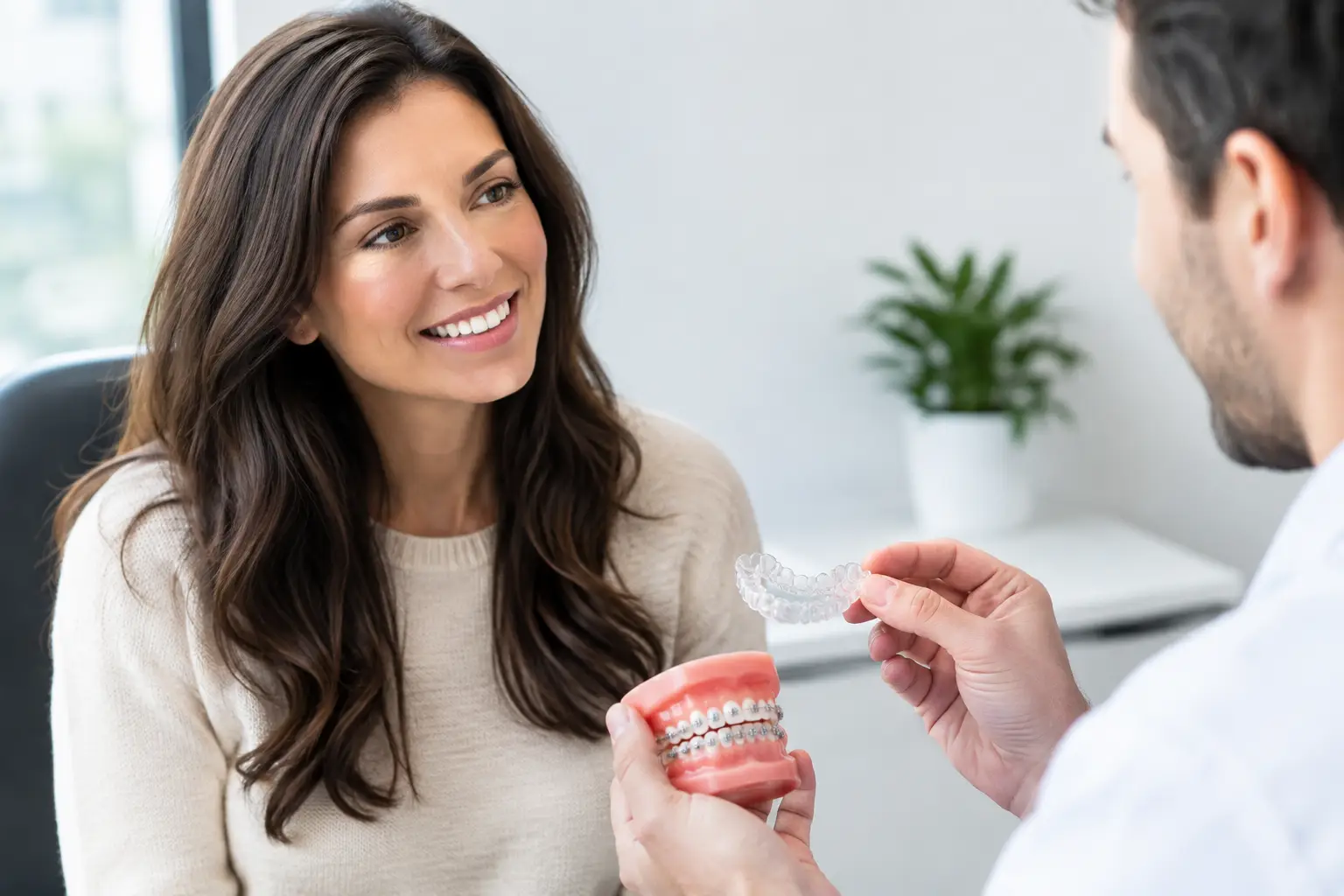
A tooth that has gradually shifted, a bite that no longer feels comfortable, or a smile you have learned to hide in photos can all be good reasons to consider treatment. Adult orthodontic treatment options are designed for real life: professional commitments, family schedules, comfort concerns, and the desire for a healthy smile that feels like your own.
Orthodontic care is not just for teenagers. Teeth can move throughout adulthood, sometimes after childhood braces, because of natural changes in the mouth, tooth loss, grinding, or uneven bite forces. The right approach depends on what is moving, why it is moving, and what will best support your long-term oral health.
Why orthodontic treatment can matter in adulthood
Straight teeth are often associated with confidence, but alignment also affects how your teeth function and how easily you can keep them clean. Crowded or overlapping teeth can create areas that are harder to brush and floss well. A bite that is out of balance may place extra pressure on certain teeth, contribute to uneven wear, or make chewing less comfortable.
That does not mean every small imperfection needs treatment. Some minor crowding is mainly a cosmetic concern, while other changes may affect your gums, enamel, jaw comfort, or ability to restore a damaged tooth properly. A thoughtful assessment looks beyond appearance to consider your bite, gum health, existing dental work, and goals.
For adults, treatment planning also needs to respect the bigger picture. If you are considering whitening, veneers, crowns, implants, or replacing a missing tooth, orthodontic treatment may be best completed first. Moving teeth into a healthier position can create the space and alignment needed for more conservative restorative care later.
Adult orthodontic treatment options to consider
Clear aligners
Clear aligners are removable, custom-made trays that gradually guide teeth into planned positions. They are a popular choice for adults because they are discreet and can be removed for meals, brushing, flossing, and special occasions.
Treatment typically involves wearing aligners for most of the day and night, changing to the next set as directed, and attending periodic appointments so progress can be monitored. Small tooth-coloured attachments may be placed on certain teeth to help the aligners move them more precisely. These attachments are temporary and are removed when treatment is complete.
Clear aligners can treat many cases involving mild to moderate crowding, spacing, and bite concerns. They can also address some more complex cases, depending on the specific tooth movements needed. Their biggest advantage is convenience, but that convenience comes with responsibility. For aligners to work as intended, they need to be worn consistently, generally about 20 to 22 hours a day.
They may not be the ideal choice for everyone. Patients who know they may frequently forget to wear or replace them may achieve a more predictable result with fixed braces. Some significant bite corrections can also be better suited to another approach.
Traditional braces
Braces use brackets and wires to apply gentle, controlled pressure to the teeth. Modern braces are smaller and more refined than many adults remember, and they remain a reliable option for a wide range of orthodontic concerns.
Because braces stay on the teeth, they work continuously without requiring you to remember to put them back in. This can be especially helpful for more complex crowding, substantial rotations, or bite changes that need close control. Depending on the case, metal or ceramic brackets may be discussed.
The trade-off is that braces are more visible than clear aligners and require a little more attention when brushing and flossing. Certain sticky, hard, or chewy foods may need to be avoided to protect brackets and wires. For many patients, however, the consistency and precision of fixed treatment make those adjustments worthwhile.
Limited orthodontic treatment
Not every adult needs comprehensive treatment of every tooth. In some cases, limited treatment can focus on a small area, such as mild crowding in the lower front teeth or a gap that developed after previous orthodontic care.
This may be a practical option when the bite is stable and the concern is truly localized. It is not simply a faster version of full treatment, though. Moving only a few teeth without considering the bite can create new concerns, so proper records and planning still matter.
Orthodontics before restorative or cosmetic care
Sometimes the most beneficial orthodontic treatment is the one that makes another dental procedure more conservative. For example, shifting a tilted tooth may create room for an implant, or aligning front teeth may reduce the amount of reshaping needed before cosmetic bonding or crowns.
This approach can take more time upfront, but it may help preserve healthy tooth structure and make future care easier to maintain. The sequence should always be personalized. If a tooth needs urgent restoration or gum treatment, that concern may need to be addressed before orthodontic movement begins.
What happens before treatment begins
A comfortable result starts with a healthy foundation. Before moving teeth, your dental team will assess the condition of your teeth and gums, review your medical and dental history, and look for issues such as untreated decay, gum inflammation, cracked teeth, or signs of clenching and grinding.
Photos, digital scans, and X-rays may be used to understand your bite and map the position of roots and supporting bone. This planning stage helps answer practical questions: Can treatment be completed with aligners? Will space need to be created? Are there old restorations that need special attention? How might tooth movement affect a future crown, bridge, or implant?
At Victoria Park Dental, personalized planning means discussing these details in clear language, along with the benefits, limitations, estimated timing, and home-care expectations of each option. A good plan should feel informed, not rushed.
Daily care during orthodontic treatment
Orthodontic treatment should fit into a strong preventive routine, not replace one. With aligners, teeth should be brushed before trays are reinserted whenever possible, especially after meals. Aligners also need regular cleaning with the method recommended by your dental team. Drinking plain water while wearing them is generally the simplest choice, since coffee, tea, and sugary drinks can stain trays or remain against the teeth.
With braces, careful brushing around brackets and along the gumline is essential. Interdental brushes, floss threaders, or a water flosser can make cleaning more manageable. Regular hygiene visits remain valuable throughout treatment, as they allow plaque buildup, early gum inflammation, and areas that need more attention to be addressed promptly.
If you grind your teeth, play contact sports, or have frequent jaw tension, mention it during planning. These factors do not automatically prevent orthodontic care, but they can influence appliance choices and retention recommendations.
Retainers protect the result
Teeth naturally have a tendency to shift after orthodontic treatment. Retainers are the part of treatment that helps protect the new alignment once braces are removed or the final aligner stage is finished.
Depending on your situation, you may receive a removable retainer, a fixed retainer bonded behind certain teeth, or both. Retainer wear is often most consistent at first and then adjusted over time according to your dentist’s guidance. Skipping retainers can allow even well-aligned teeth to move again, sometimes surprisingly quickly.
Choosing an option that works for you
The best choice is rarely based on appearance alone. Clear aligners can be an excellent fit for someone who values discretion and can wear them faithfully. Braces can offer dependable control for complex movement or for patients who prefer not to manage removable trays. Limited treatment can be appropriate when a concern is isolated, while comprehensive care may be better when alignment and bite need to work together.
Cost, treatment length, comfort, professional lifestyle, oral hygiene habits, and future dental goals all belong in the conversation. There is no single “right” appliance for every adult, only the approach that safely supports your particular smile.
A consultation is a chance to ask practical questions and leave with a plan that makes sense for your health, schedule, and confidence. Small changes in alignment can have a meaningful effect, and a carefully planned path can help you feel good about caring for your smile for years to come.