
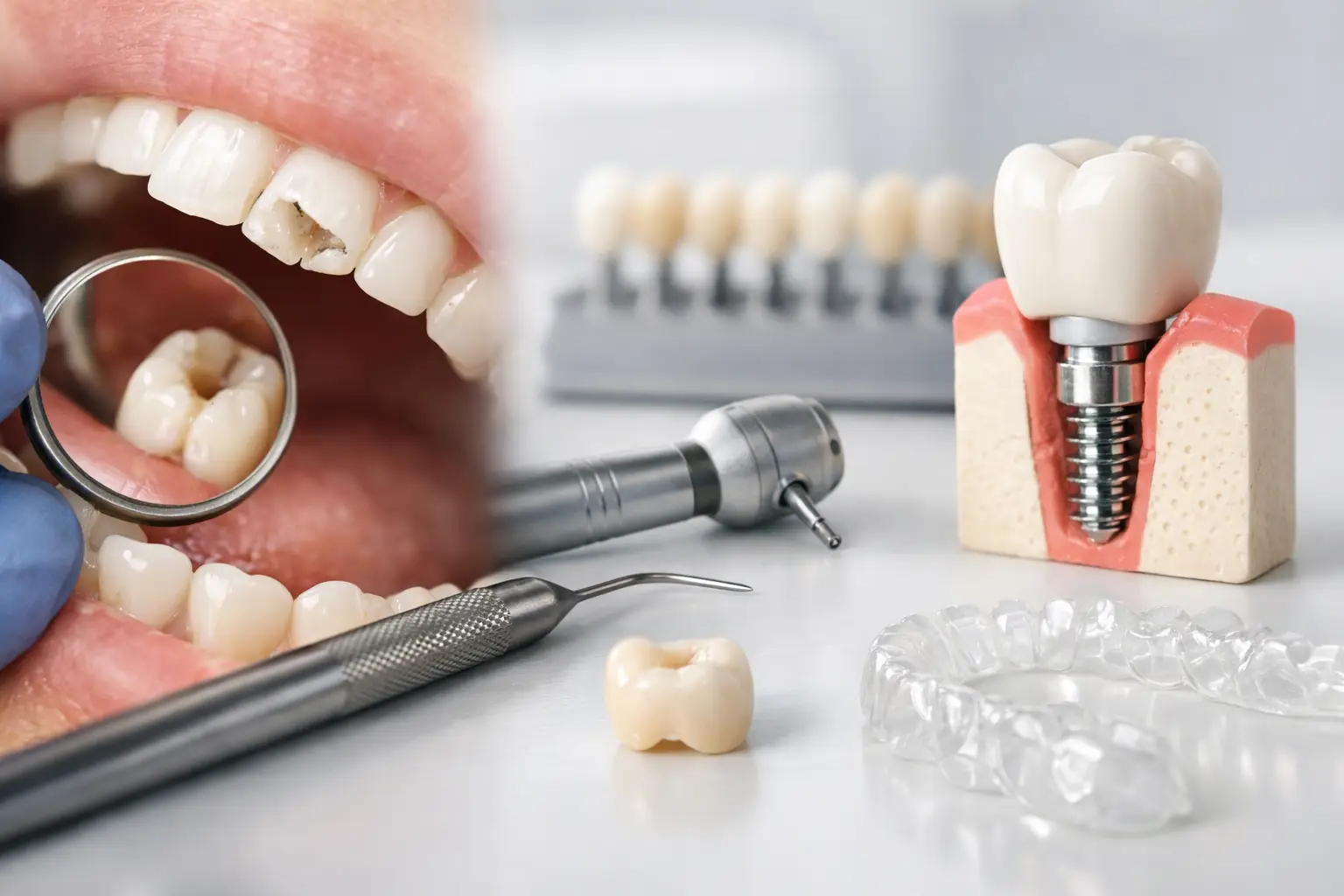
That sharp edge against your tongue is usually the first sign something is wrong. A cracked corner after biting hard food, a chipped front tooth from a fall, or a larger break around an old filling can all feel alarming. The good news is that broken tooth treatment options vary widely, and the right solution often depends on how much of the tooth is damaged, whether the nerve is affected, and how quickly you are seen.
A broken tooth is not one single problem. Some breaks are minor and mainly cosmetic. Others expose the inner tooth, cause pain when you bite, or increase the risk of infection. That is why a prompt exam matters. Even a small chip can behave very differently from what it looks like in the mirror.
What dentists look for before choosing broken tooth treatment options
The first step is understanding the type and extent of the damage. Your dentist will usually assess where the break is located, how deep it goes, whether the tooth is still structurally strong, and whether the surrounding gums or bone were affected. X-rays may also be needed to check the root and rule out hidden fractures.
Symptoms help guide the decision, but they do not tell the whole story. Some patients have a visibly small chip with significant sensitivity, while others have a larger break with very little discomfort. Pain with pressure, lingering sensitivity to cold, swelling, and bleeding can all suggest that the injury is more than surface-level.
Age, bite force, grinding habits, and the role of the tooth also matter. A front tooth often raises cosmetic concerns first, while a molar needs to withstand heavy chewing. In many cases, the most conservative option is preferred, but only if it will provide lasting support.
Common broken tooth treatment options
Smoothing or polishing a minor chip
If the damage is very slight, treatment may be as simple as smoothing the rough area. This is often done when only a tiny piece of enamel has chipped away and the tooth remains strong and comfortable. It is a small adjustment, but it can make a big difference if the edge is irritating your tongue or cheek.
This option works best for superficial damage. It will not be enough if the chip affects appearance significantly, creates sensitivity, or weakens the tooth.
Dental bonding for small to moderate breaks
Bonding is a common treatment for chips and minor fractures, especially on front teeth. A tooth-coloured composite resin is shaped to rebuild the missing portion and then hardened in place. The result can look very natural, often with minimal removal of healthy tooth structure.
Bonding is appealing because it is conservative and efficient. It can often be completed in one visit and is well suited to cosmetic repairs. The trade-off is durability. Bonding may not be the best long-term solution for larger breaks or for areas under heavier bite pressure.
A filling when the break involves decayed or weakened tooth structure
Sometimes a tooth breaks because a cavity or an old filling has undermined the remaining enamel. In those cases, placing a new filling may restore the shape and function of the tooth if enough healthy structure remains.
This is often appropriate for smaller fractures, especially in back teeth. If a large portion of the tooth is missing, however, a filling alone may not provide enough support. A more protective restoration may be the better choice.
A crown for strength and full coverage
When a tooth has lost a significant amount of structure but can still be saved, a crown is often recommended. A crown covers the visible portion of the tooth, helping restore strength, shape, and appearance. This can be an excellent option for back teeth that need to handle regular chewing forces, as well as front teeth with more extensive damage.
Crowns are often chosen when a crack or break leaves the tooth vulnerable to further fracture. They tend to provide more reliable long-term protection than bonding or a large filling in these situations. At the same time, they involve more treatment than a simple repair, so the decision depends on how much support the tooth truly needs.
Root canal treatment if the nerve is affected
If the break extends into the pulp, where the tooth’s nerve and blood supply are located, a root canal may be needed. This is more likely when there is severe pain, prolonged sensitivity, or signs of infection, though not every nerve injury is immediately obvious.
Root canal treatment removes the inflamed or infected tissue inside the tooth and helps preserve the remaining structure. In many cases, the tooth is then restored with a crown for added protection. While the idea of a root canal can sound intimidating, it is often the treatment that allows a natural tooth to be saved comfortably.
Extraction when the tooth cannot be restored
Not every broken tooth can be repaired. If the fracture extends too far below the gumline, if the root is split, or if there is not enough healthy structure left to support a restoration, extraction may be the most appropriate option.
This is usually considered after other possibilities have been ruled out. If a tooth does need to be removed, the next step is discussing replacement options such as a bridge, denture, or dental implant. Replacing a missing tooth can help maintain chewing function, appearance, and the alignment of surrounding teeth.
When broken tooth treatment options become urgent
Some broken teeth can wait a short time for assessment, but others should be seen as soon as possible. If you have significant pain, facial swelling, bleeding that does not stop, a broken tooth after trauma, or a piece of tooth that exposes a pink or dark centre, urgent care is important.
A broken tooth is also more time-sensitive if a child has had a dental injury, if the tooth is loose, or if there is difficulty closing your bite comfortably. In these cases, earlier treatment can sometimes improve the chance of saving the tooth and preventing complications.
Even when the problem seems manageable, waiting can allow a crack to spread or bacteria to enter the tooth. What starts as a repair may become a more involved treatment if delayed too long.
What to do before your appointment
If you break a tooth, rinse your mouth gently with warm water and keep the area clean. If there is swelling, a cold compress on the outside of the cheek can help. Try to avoid chewing on that side, and stay away from very hot, cold, hard, or sticky foods.
If you have the broken piece, bring it with you, although it cannot always be reattached. Over-the-counter pain relief may help if it is appropriate for you to take it. If the edge is sharp, temporary dental wax from a pharmacy can sometimes make things more comfortable until you are seen.
What matters most is arranging an exam rather than trying to judge the severity at home. Some cracks are difficult to see, and not all serious injuries look dramatic.
How treatment decisions are personalized
The best treatment is not always the biggest or the fastest. A small chip on a front tooth may be ideal for bonding, while a heavily used molar with a large fracture may need the strength of a crown. If the tooth has pain that suggests nerve involvement, preserving it may require root canal treatment before restoring the outside.
There are also cosmetic and practical considerations. A patient who wants the most conservative repair may choose bonding if appropriate. Another may prefer a more durable restoration for long-term peace of mind. Bite patterns, previous dental work, and oral health history all shape the plan.
At a patient-centred clinic such as Victoria Park Dental, that conversation should feel clear and supportive. You should understand what the tooth needs now, what can wait, and what the likely long-term outlook is with each option.
Preventing another broken tooth
Not every dental injury can be avoided, but some breaks happen because a tooth was already weakened. Cavities, old restorations, untreated grinding, and using teeth to open packaging can all increase the risk. So can chewing ice, hard candy, or popcorn kernels.
Routine exams help catch small cracks and failing fillings before they turn into sudden breaks. If you grind your teeth, a custom night guard may help protect them. For sports, a properly fitted mouthguard can make a real difference, especially for children and teens.
A broken tooth can feel stressful in the moment, especially when you do not know whether it is a small fix or a larger repair. Most of the time, there are several broken tooth treatment options worth considering, and the right one is the one that protects your comfort, your bite, and your long-term oral health. If something feels off, trust that instinct and have it checked sooner rather than later.