
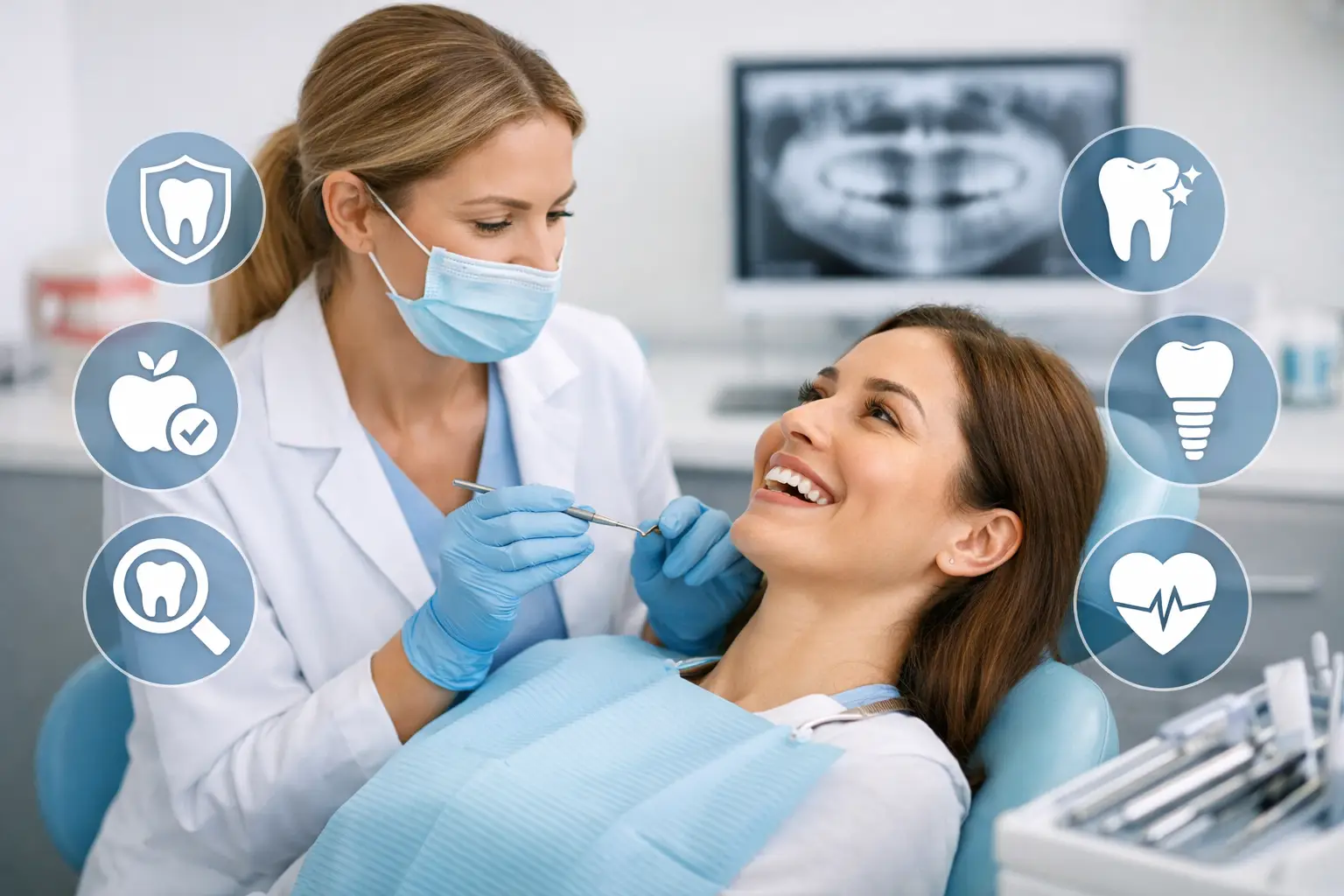
A small cavity rarely feels urgent. That is part of the problem. By the time a tooth hurts, treatment is often more involved, more expensive, and more stressful than it needed to be. The benefits of preventive dentistry come from catching changes early, lowering your risk of future problems, and helping you keep your natural teeth healthy for as long as possible.
For many people in North Vancouver, preventive care is not about doing more dentistry. It is about needing less of it over time. Regular exams, hygiene visits, and personalized advice can reduce the chances of decay, gum disease, avoidable repairs, and sudden dental pain. It is a practical approach, but it also supports something more personal – peace of mind.
What preventive dentistry really means
Preventive dentistry includes the routine care and habits that protect teeth, gums, and overall oral health before problems become serious. That usually means checkups, professional cleanings, oral cancer screenings, X-rays when needed, fluoride treatments, sealants for some patients, and home care guidance that matches your age, risk factors, and lifestyle.
The key word is personalized. A patient with a history of cavities may need a different prevention plan than someone managing gum inflammation, wearing Invisalign, or bringing in a child for their first visits. Good preventive care is not one-size-fits-all. It is conservative, thoughtful, and based on what will help you avoid bigger issues later.
The benefits of preventive dentistry go beyond clean teeth
When people think of dental prevention, they often picture a polished smile after a cleaning. That is part of it, but the real value runs deeper.
1. It helps stop small problems from turning into big ones
Early-stage dental issues are usually easier to treat. A small area of decay may need a simple filling. Left alone, it can progress into deeper infection, discomfort, or a tooth that needs root canal treatment or a crown. The same pattern applies to gum disease. Mild inflammation can often improve with professional care and better home habits, while advanced periodontal disease is harder to manage and can lead to bone loss or tooth mobility.
This is one of the clearest benefits of preventive dentistry. Timing matters. Detecting changes early gives both the patient and the dental team more options.
2. It can lower long-term dental costs
Preventive visits do have a cost, but they are generally far less expensive than restorative treatment. It is almost always more affordable to maintain healthy teeth than to repair damaged ones repeatedly. Exams and hygiene appointments can help reduce the likelihood of emergency visits, large restorations, extractions, or replacing missing teeth later.
That said, prevention is not a guarantee that you will never need treatment. Genetics, medications, dry mouth, grinding, and changing health conditions can all affect oral health. Even so, regular care usually improves the odds in your favour and helps keep future treatment simpler.
3. It supports healthier gums
Gum health does not always get the attention it deserves. Many patients focus on cavities because they are familiar and easy to understand, but gum disease is common and often develops quietly. Bleeding when brushing, persistent bad breath, gum tenderness, or gums that seem to be pulling away from the teeth can all be signs that something needs attention.
Professional cleanings remove plaque and tartar in areas that are difficult to manage at home. Regular assessments also help track the condition of your gums over time. Healthy gums are the foundation for healthy teeth, and protecting them is a major part of long-term oral care.
4. It reduces the chance of dental emergencies
Dental emergencies are not always preventable, especially when trauma is involved. But many urgent dental problems begin as smaller concerns that were missed, delayed, or painless for too long. A cracked filling, untreated decay, advanced gum disease, or an infection that developed gradually can all lead to sudden pain and disruption.
Preventive dentistry lowers the likelihood of being surprised by a problem at the worst possible moment. For busy adults, parents managing family schedules, and anyone who prefers fewer disruptions, that consistency matters.
Why preventive dentistry matters for children and families
Children benefit from prevention for obvious reasons, such as cavity protection, but there is another advantage that is just as important. Positive early dental experiences can shape how a child feels about oral health for years.
When dental visits are routine, gentle, and familiar, children are more likely to build confidence in the dental chair. They learn that checkups are a normal part of staying healthy rather than something that only happens when something is wrong. That can make future care easier and less stressful for everyone.
For parents, preventive care also creates a chance to ask practical questions. Is thumb-sucking affecting development? Are the back teeth hard to clean well? Is a sports guard a good idea? As children grow, prevention can adapt with them.
Preventive care also protects your appearance and comfort
A healthy smile and an attractive smile are often closely connected. Preventing decay, gum recession, staining buildup, and wear can help maintain the natural appearance of your teeth. That does not mean prevention replaces cosmetic dentistry, but it does create a healthier foundation for it.
Comfort is another overlooked benefit. People often assume discomfort is just part of dental problems, but preventive care aims to reduce discomfort before it starts. Treating issues earlier is generally more conservative than waiting until pain forces action. That often means easier appointments, less recovery, and fewer interruptions to daily life.
Modern prevention is more precise than it used to be
Dentistry has changed. Preventive care today is supported by better imaging, improved materials, and more individualized planning than many patients remember from years ago. That allows dental teams to monitor changes with greater accuracy and recommend care based on actual risk rather than guesswork.
For example, some patients are more prone to enamel erosion, while others deal with clenching, crowded teeth, or dry mouth caused by medication. A modern preventive plan takes these details seriously. It looks at the whole picture, not just whether you have a cavity at this exact moment.
This is where a relationship-based practice can make a real difference. Over time, seeing the same team helps build a clearer view of your history, your concerns, and the patterns that affect your oral health. At Victoria Park Dental, that kind of continuity supports care that feels both personal and proactive.
What makes preventive dentistry most effective
Regular appointments matter, but prevention works best when professional care and home care support each other. Brushing and flossing are still essential, but technique, consistency, and the right products all play a role. A patient with sensitive teeth may need a different toothpaste. Someone with orthodontic aligners may need extra hygiene guidance. A person with frequent staining may benefit from changes in diet or cleaning frequency.
This is also where honesty helps. If you avoid flossing, snack often, grind your teeth, or feel nervous about treatment, say so. A good dental team is not there to judge. The goal is to build a realistic plan that works for your life.
Prevention is also not all-or-nothing. If you are returning to the dentist after a long gap, it is still worth starting now. You do not need a perfect history to benefit from consistent care going forward.
When prevention needs to be adjusted
There are times when standard six-month visits may not be enough, and times when they may not be exactly right. Patients with gum disease, a high cavity risk, diabetes, pregnancy-related gum changes, or complex dental work may need a different maintenance schedule. Others with low risk and strong home care may have different recommendations depending on their needs.
That flexibility is part of good care. The goal is not to fit everyone into the same routine. It is to recommend the level of prevention that makes sense for your health, habits, and long-term goals.
A healthier smile usually starts before anything hurts
The best time to protect your smile is often before there is a clear problem to fix. That is the heart of preventive dentistry. It gives you the chance to stay ahead of decay, support your gums, reduce avoidable costs, and make dental care feel more manageable at every age.
If there is one helpful way to think about it, it is this: prevention is less about adding another task to your calendar and more about making future dental care easier on yourself. A little consistency now can protect a great deal later.