
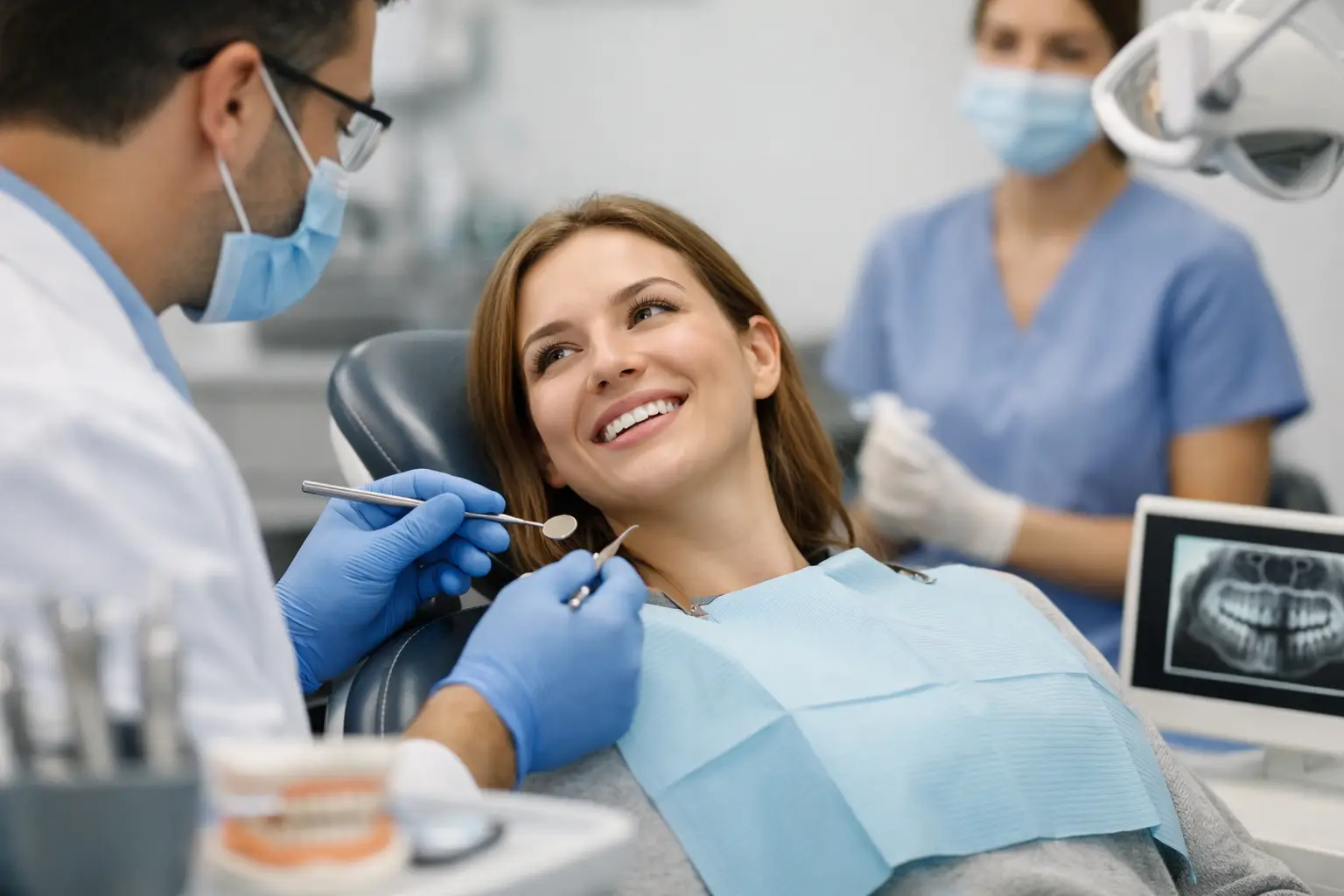
A lot of people book an appointment knowing they are due, but still wonder what happens at a dental checkup once they sit in the chair. If it has been a while, or if you are bringing your child in for a visit, knowing what to expect can make the experience feel much more comfortable.
A dental checkup is not just a quick look at your teeth. It is a preventive visit designed to spot small issues early, protect your oral health, and give you clear guidance that fits your needs. For some patients, that means a routine exam and cleaning. For others, it may mean updating X-rays, monitoring an older filling, or talking through options for sensitivity, gum inflammation, or cosmetic concerns.
What happens at a dental checkup from the moment you arrive
The visit usually starts with a review of your health history. This matters more than many people realize. Changes in medications, pregnancy, diabetes, heart conditions, jaw pain, dry mouth, and even stress can affect your oral health and the way dental care is planned.
You may also be asked whether you have had any recent symptoms, such as tooth pain, bleeding gums, sensitivity to cold, headaches, or trouble chewing. Even mild symptoms are worth mentioning. Small changes often provide useful clues before a problem becomes more obvious.
For new patients, the team may take a little more time to build a full picture of your dental history and goals. If you are an existing patient, the focus is often on what has changed since your last visit and whether any previous concerns need to be checked again.
A close look at your teeth, gums, and overall oral health
The examination is the core of the checkup. Your dentist will look at your teeth for signs of decay, cracks, worn enamel, old restorations that may be breaking down, and bite-related issues. They will also assess your gums for inflammation, recession, and pockets that can point to gum disease.
This part of the visit is about more than cavities. A full exam can also include checking the tongue, cheeks, roof of the mouth, jaw joints, and surrounding tissues. The goal is to understand your oral health as a whole, not just react to one painful tooth.
If you clench or grind, your dentist may see early wear patterns before you notice any symptoms. If you have crowns, bridges, implants, or fillings, they will be checked to make sure they still fit properly and are doing their job. Preventive care works best when these details are reviewed regularly.
In many cases, your dentist will also perform an oral cancer screening. This is a quick, routine part of comprehensive care and involves checking for unusual changes in the soft tissues of the mouth and nearby areas. Most screenings do not uncover anything serious, but this is one of the reasons regular visits matter. Early detection can make a real difference.
Will you always get X-rays?
Not every checkup includes X-rays, but many do at appropriate intervals. It depends on your age, risk level, symptoms, and dental history. If you have frequent decay, old dental work, gum concerns, or a new area of discomfort, updated images may be recommended sooner. If your mouth has been stable and healthy, they may be needed less often.
X-rays help your dental team see what is not visible during the clinical exam. That can include decay between teeth, changes below the gumline, bone loss, infection, impacted teeth, or problems developing under an existing filling or crown.
For children, X-rays can also help monitor how teeth are erupting and whether there is enough space for incoming permanent teeth. For adults, they are often useful for tracking changes over time. Modern digital imaging makes this process quicker and more comfortable than many people expect.
The cleaning portion of the visit
When people think about checkups, they often picture the cleaning first. Depending on your needs, this may be done by a dental hygienist as part of the same appointment or booked separately. A routine cleaning removes plaque and tartar that regular brushing and flossing cannot fully reach.
Plaque is soft and can be disrupted at home. Tartar is hardened buildup that needs professional instruments to remove safely. If tartar sits along the gumline for too long, it can contribute to inflammation and gum disease.
The hygienist will typically clean around the teeth and gumline, then polish the teeth to remove surface stains and leave the mouth feeling smooth. In some cases, a fluoride treatment may also be recommended, especially for children, patients with a higher cavity risk, or those dealing with dry mouth or sensitivity.
Not every patient needs exactly the same type of cleaning. If your gums are very healthy, a standard preventive cleaning may be enough. If there are signs of more advanced gum disease, deeper periodontal care may be discussed instead. That is a good example of how dental care is personalized. A checkup is routine, but it should never feel one-size-fits-all.
Questions, findings, and next steps
One of the most valuable parts of a dental checkup is the conversation that follows. After the exam, your dentist will explain what they found in clear terms. If everything looks healthy, that is reassuring. If there is an issue developing, you should know what it is, how urgent it is, and what your options are.
Sometimes the recommendation is simple – keep monitoring an area and return at your next recall visit. Sometimes treatment is advised sooner, such as a filling for early decay or care for inflamed gums. If there are cosmetic or restorative concerns, your dentist may also talk through solutions that match your goals, timing, and budget.
A good checkup should leave you feeling informed, not pressured. Preventive dentistry is conservative by nature. The aim is to protect healthy tooth structure, avoid bigger problems, and support long-term oral health with the least invasive approach that makes sense.
What happens at a dental checkup for children?
For children, the same preventive principles apply, but the experience is usually adapted to their age, comfort level, and stage of development. The team will look at how the teeth and jaws are developing, check for decay, and monitor brushing habits, diet, and oral behaviours such as thumb sucking.
A child’s visit may be shorter and more focused on building trust. Positive early experiences matter. When children feel safe and supported at the dentist, they are more likely to develop healthy habits and less likely to feel anxious about future care.
Parents often have questions about fluoride, sealants, crowding, and when adult teeth should come in. A checkup is a good time to ask. Small concerns are often easier to address when they are caught early.
If you feel nervous, that is completely normal
Many adults still feel uneasy before a dental appointment, even if they have had plenty of them before. Sometimes it is the fear of discomfort. Sometimes it is worry about being judged for putting off care. In reality, a patient-centred dental team understands both.
If you are anxious, say so at the start of the appointment. That gives the team a chance to slow things down, explain each step, and make the visit more comfortable. Modern dental care places much more emphasis on gentle treatment, clear communication, and patient comfort than many people expect.
At Victoria Park Dental, that approach is part of creating care that feels personalized for you, not rushed or impersonal.
How often should you book a checkup?
For many people, every six months is a good routine. But that is not a fixed rule for everyone. Some patients benefit from more frequent hygiene visits, especially if they have gum disease, heavy tartar buildup, dry mouth, or a higher risk of cavities. Others with very stable oral health may be advised on a different schedule.
This is where prevention becomes practical. The right recall interval depends on your mouth, your habits, and your health history. A regular schedule helps your dental team compare changes over time and respond before a minor issue becomes a major repair.
If you have been delaying a visit because you are unsure what to expect, the simplest answer is this: a dental checkup is meant to protect your health, not catch you off guard. It is a thoughtful, preventive appointment built around understanding your smile today and helping keep it healthy for the years ahead.