
A tooth does not have to be missing to need serious protection. In many cases, who needs a dental crown comes down to one simple question: is the tooth still strong enough to do its job without cracking, wearing down further, or causing pain?
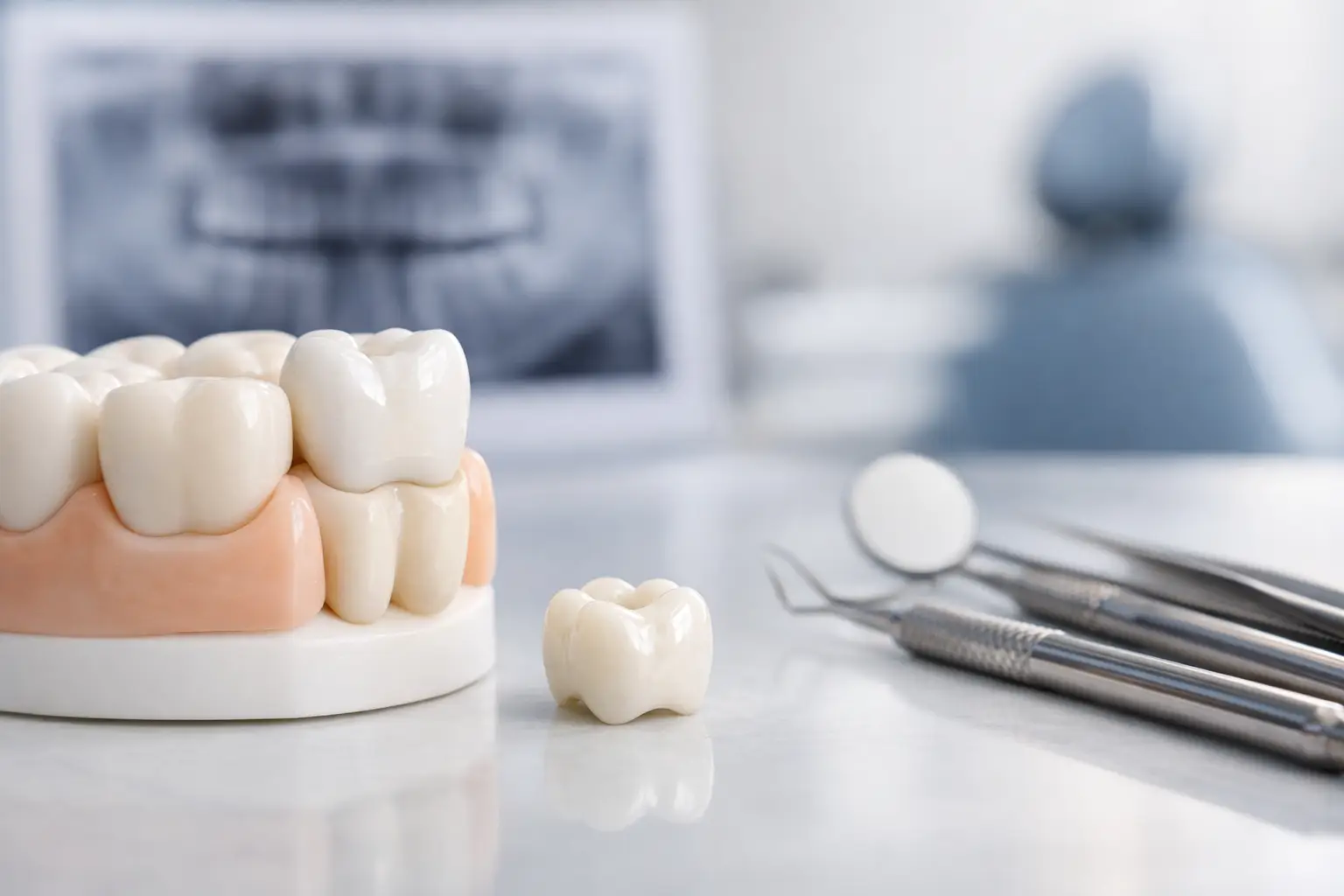
A dental crown is a custom-made covering that fits over a damaged or weakened tooth. It restores shape, strength, and function, and it can also improve appearance when a tooth is badly worn or broken. For some patients, a crown is the best way to save a tooth that might otherwise keep failing with fillings or eventually need extraction.
Who needs a dental crown and why?
The short answer is that people need dental crowns when a tooth has lost too much strength or structure to be reliably repaired with a simple filling. That may happen because of decay, trauma, grinding, a root canal, or an old restoration that has reached its limit.
A crown is not always the first option, and that matters. Conservative dentistry aims to preserve as much natural tooth structure as possible. If a small filling or another treatment can solve the problem well, that may be the better choice. But when a tooth is fragile, heavily restored, or likely to fracture under normal chewing forces, a crown often offers more predictable long-term protection.
This is why the decision is not just about what the tooth looks like today. It is also about how that tooth is expected to perform over time.
Common signs you may need a crown
Sometimes the need is obvious, such as a cracked tooth or a large piece that has broken off. In other cases, the signs are less dramatic.
If you have pain when biting, sensitivity that lingers, a tooth with a very large filling, or a tooth that keeps chipping, your dentist may evaluate whether the remaining structure is strong enough. Teeth that have had multiple fillings over the years can become more brittle, especially when only thin walls of enamel are left.
You may also need a crown if a tooth is severely worn down from grinding or clenching. Wear often happens gradually, so many people do not notice it until they begin to feel changes in their bite, increased sensitivity, or a rough, shortened edge on the tooth.
Cosmetic concerns can play a role too, but usually only when there is also a structural issue. A crown may be recommended for a tooth that is both damaged and visibly compromised, where a more conservative cosmetic option would not be strong enough.
Situations where crowns are often recommended
After a large cavity or failing filling
When decay removes a significant portion of the tooth, a filling may no longer be the most durable fix. Large fillings can work well in some situations, but they do not reinforce the tooth in the same way a crown does. If the remaining tooth structure is thin or weakened, a crown may help prevent a future fracture.
This is especially common in back teeth. Molars take heavy chewing pressure every day, so they are more likely to need full coverage when damage becomes extensive.
After a root canal
Teeth that have had root canal treatment are often good candidates for crowns, particularly molars and premolars. Once the infected pulp is removed, the tooth can remain in place and function normally, but it may be more vulnerable to fracture depending on how much structure is left.
Not every root canal tooth automatically needs a crown. Front teeth, for example, may sometimes be restored more conservatively if enough healthy structure remains. The recommendation depends on the tooth’s position, the amount of damage, and how much force it handles during chewing.
For a cracked or fractured tooth
A crack does not always mean the tooth must be removed. In many cases, a crown can hold the tooth together and reduce the risk of the crack spreading. Timing matters here. A small crack caught early is generally easier to manage than a deeper crack that has reached the root or caused infection.
If biting pressure causes sharp pain that comes and goes, that can be one clue. A proper exam is important because cracks are not always visible from the outside.
For worn-down teeth
Chronic grinding, clenching, acid erosion, and general wear can reduce a tooth’s height and strength over time. When wear becomes severe, crowns may be used to rebuild the shape of the tooth and restore a healthier bite.
This kind of treatment often needs careful planning. It is not just about placing one crown. The dentist may need to consider the overall bite, the cause of the wear, and whether a night guard or other protective step is needed to help the restoration last.
To support a dental bridge or restore an implant
Crowns are also used as part of other restorative treatments. A traditional bridge uses crowns on neighbouring teeth to support the replacement tooth in between. A dental implant is typically restored with a crown placed on top of the implant once healing is complete.
In these cases, the crown is part of rebuilding function, not just repairing damage.
When a crown may not be necessary
Not every damaged tooth needs full coverage. If the issue is small and the tooth is still structurally sound, a filling or bonded restoration may be enough. Veneers may be considered for some cosmetic concerns involving front teeth, and onlays or inlays can sometimes restore a tooth while preserving more natural structure than a full crown.
That is why a personalized exam matters. The best treatment depends on where the tooth is, how much healthy structure remains, your bite, your habits, and your long-term goals.
A good treatment plan balances strength, appearance, and conservation. More treatment is not always better. The right treatment is the one that protects your oral health without doing more than necessary.
What a dental crown can help you avoid
For many patients, a crown is not just about fixing what is already wrong. It is about preventing a larger problem.
A weakened tooth may continue to crack until it becomes too damaged to save. A failing large filling may leak, break, or allow more decay underneath. A worn tooth may begin affecting your bite and placing extra strain on surrounding teeth or jaw muscles. In those situations, restoring the tooth earlier can be the more comfortable and cost-effective choice over time.
Crowns can also help restore confidence. When a damaged tooth is visible, many people start chewing on one side, hiding their smile, or avoiding certain foods. Rebuilding the tooth often improves daily comfort in a very practical way.
What to expect if your dentist recommends a crown
If a crown is recommended, your dentist will explain why and review whether there are any reasonable alternatives. That conversation should be clear and specific to your tooth, not generic.
The tooth is prepared so the crown can fit properly, and impressions or a digital scan are taken to create a custom restoration. Some clinics, including Victoria Park Dental, offer CEREC same-day restorations in certain cases, which can make treatment more convenient by reducing the number of appointments.
Once placed, the crown should feel natural in your bite and allow you to chew comfortably. Like any dental restoration, it still needs regular care. Brushing, flossing, routine exams, and addressing habits like grinding all help extend its lifespan.
The real question is whether the tooth can be protected
If you are wondering who needs a dental crown, the answer is usually not based on age or appearance alone. It is based on whether a tooth has become too weak, damaged, or heavily restored to stay healthy with a simpler fix.
The best time to assess that is before the tooth breaks further or becomes painful. A thoughtful exam can often catch problems early and give you options. If a crown is the right choice, it should feel like part of a bigger plan to keep your smile strong, comfortable, and working well for years to come.
If something feels off with a tooth, even if it is only occasional sensitivity or a small chip, having it checked sooner can make the next step simpler and more conservative.