
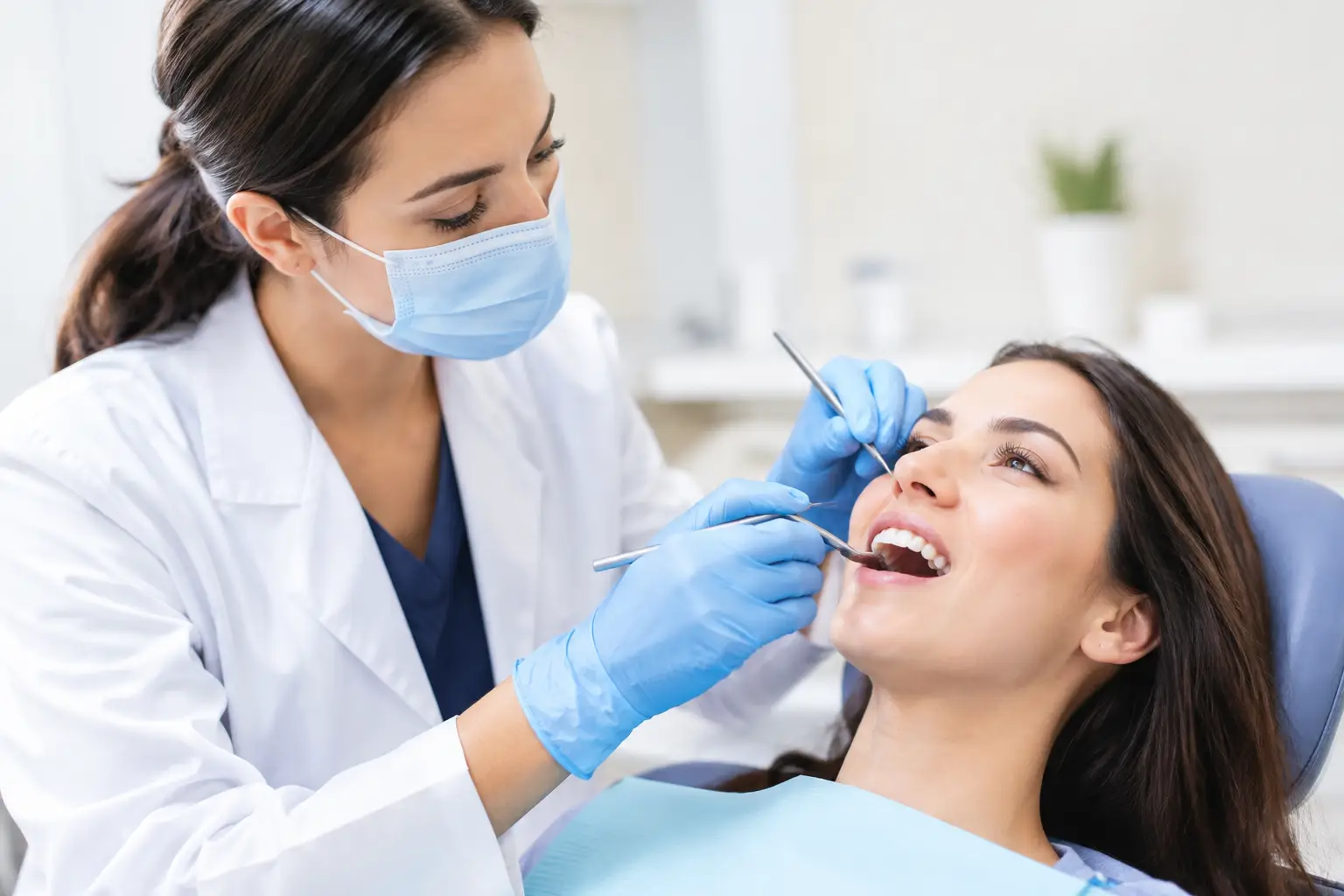
A tooth that needs a small filling today may avoid a crown, root canal treatment, or replacement later. That simple idea sits at the heart of what is conservative dentistry: protecting as much healthy tooth structure as possible while treating problems early, carefully, and effectively.
Conservative dentistry is not about delaying treatment or accepting discomfort. It is a thoughtful approach to dental care that prioritizes prevention, accurate diagnosis, and the least invasive option that can reliably support your long-term oral health. For families and individuals, it often means fewer surprises, more informed choices, and a smile that stays healthy for longer.
What Is Conservative Dentistry?
Conservative dentistry is a philosophy of care focused on preserving natural teeth and healthy oral tissues. Your dentist looks for ways to prevent disease before it begins, identify changes at an early stage, and use treatments that remove or alter the smallest practical amount of tooth structure.
Natural enamel is remarkably strong, but it does not grow back once it is removed. That is why dentists take care when recommending any treatment, from a small filling to a larger restoration. The goal is not simply to fix what is visible. It is to understand why the issue developed, address it appropriately, and help prevent it from progressing.
This approach applies across many areas of dentistry. It may involve helping a child avoid cavities with regular cleanings and fluoride, monitoring a small area of enamel wear, repairing a chipped tooth with bonding, or choosing a precisely fitted restoration when a tooth needs more support.
Prevention Is the First Treatment
The most conservative dental treatment is often the one you never need. Regular examinations and hygiene visits give your dental team a chance to spot concerns before they become painful or complex. Early tooth decay, gum inflammation, grinding-related wear, and small cracks can be difficult to notice at home, especially when there are no symptoms.
At a checkup, your dentist may assess your teeth, gums, bite, existing restorations, and signs of oral cancer. Digital imaging can help reveal concerns between teeth or below the surface that cannot be seen during a visual exam alone. These tools support clearer decisions, but technology is only one part of the process. Your habits, health history, comfort level, and goals matter too.
Preventive care can include professional cleanings, fluoride treatments when appropriate, sealants for vulnerable chewing surfaces, and practical guidance on brushing, flossing, nutrition, and dry mouth. For patients who clench or grind their teeth, a custom night guard may help protect enamel and restorations from repeated force.
None of these measures is identical for every patient. Someone with a history of frequent cavities may benefit from a different prevention plan than someone with healthy teeth but early gum irritation. Personalized care makes prevention more useful because it focuses attention where it is needed most.
Early Treatment Can Save More of Your Tooth
When a problem does need treatment, timing matters. A small cavity may often be repaired with a conservative filling. If decay spreads deeper, more of the tooth may need to be removed and rebuilt. In some cases, bacteria can reach the pulp inside the tooth, leading to infection and the need for root canal treatment and a crown.
The same principle applies to cracks, worn teeth, and failing fillings. A small fracture may be repaired or monitored, depending on its location and depth. A larger crack can threaten the strength of the tooth and may require a more protective restoration. Waiting is not always the gentler choice if a condition is likely to worsen.
Conservative dentistry balances two important priorities: avoid unnecessary treatment, but do not overlook a concern until it becomes more difficult to manage. Your dentist should explain what they see, what can safely be monitored, and what may happen if treatment is postponed. That conversation gives you the information to make a decision with confidence.
Conservative Dentistry Does Not Mean One Treatment for Everyone
A conservative approach is sometimes misunderstood as choosing the smallest or least expensive option in every situation. In reality, the best treatment depends on the health and strength of the tooth.
For example, a small composite filling can be an excellent choice for limited decay. But if a tooth has lost a substantial amount of structure, a filling alone may not provide enough protection. A crown or other restoration may preserve the remaining tooth by helping it withstand normal biting forces. Choosing a restoration that is too small for the situation can lead to fractures, repeated repairs, and further loss of tooth structure over time.
Similarly, monitoring can be appropriate for an early non-cavitated enamel lesion, a minor chip, or a stable area of wear. It is less appropriate when there is active decay, pain, infection, or a crack that is putting the tooth at risk. Conservative care is not passive care. It is evidence-based care that respects both your natural tooth and the realities of the condition.
Modern Techniques Support a More Precise Approach
Advances in materials and technology have made it possible to treat many dental concerns with greater precision and comfort. Tooth-coloured composite materials can repair small areas while blending naturally with surrounding enamel. Digital imaging and detailed examination tools can support earlier detection and more accurate treatment planning.
For teeth that need a larger restoration, modern options can also help protect healthy structure. CEREC same-day restorations, for example, allow a dentist to design and create a custom ceramic restoration in one visit when suitable for the case. This can reduce the need for a temporary restoration and provide a convenient option for busy patients.
The material and method should always be chosen for the tooth, not simply for speed or appearance. A front tooth with a small chip has different needs than a heavily restored molar that handles strong chewing forces. A careful assessment helps ensure that a restoration is both conservative and durable.
Your Daily Habits Matter Just as Much
Dental treatment is only one part of protecting your smile. Everyday habits strongly influence how well teeth, gums, and restorations hold up over time.
Brushing twice daily with fluoride toothpaste, cleaning between teeth, and attending regular hygiene visits all help manage the bacteria that cause tooth decay and gum disease. Limiting frequent sugary or acidic snacks and drinks can reduce repeated acid attacks on enamel. Drinking water, particularly after meals or coffee, is a simple way to support a healthier mouth.
If you notice bleeding gums, sensitivity, jaw soreness, a broken filling, or a change in how your bite feels, it is worth arranging an assessment rather than waiting for discomfort to become severe. Many dental problems are more straightforward to address when they are caught early.
Parents can also introduce conservative dental care by bringing children in early, creating positive routines, and helping them see dental visits as a normal part of staying healthy. Gentle, familiar care can build confidence that lasts well beyond childhood.
Questions to Ask About Your Treatment Options
A patient-centred dental visit should leave you feeling informed, not rushed. If treatment is recommended, it can help to ask what the concern is, how urgent it is, and what the likely outcome may be with and without treatment. You can also ask how each option preserves tooth structure, how long it is expected to last, and what follow-up care it will require.
At Victoria Park Dental, treatment planning is personalized because your teeth, health history, priorities, and comfort needs are personal. A clear explanation of your options can make even a more complex decision feel manageable.
The best time to protect a tooth is usually before it hurts. Keeping up with preventive visits and raising concerns early gives your dental team the best opportunity to care for your smile gently, thoughtfully, and with your long-term health in mind.