
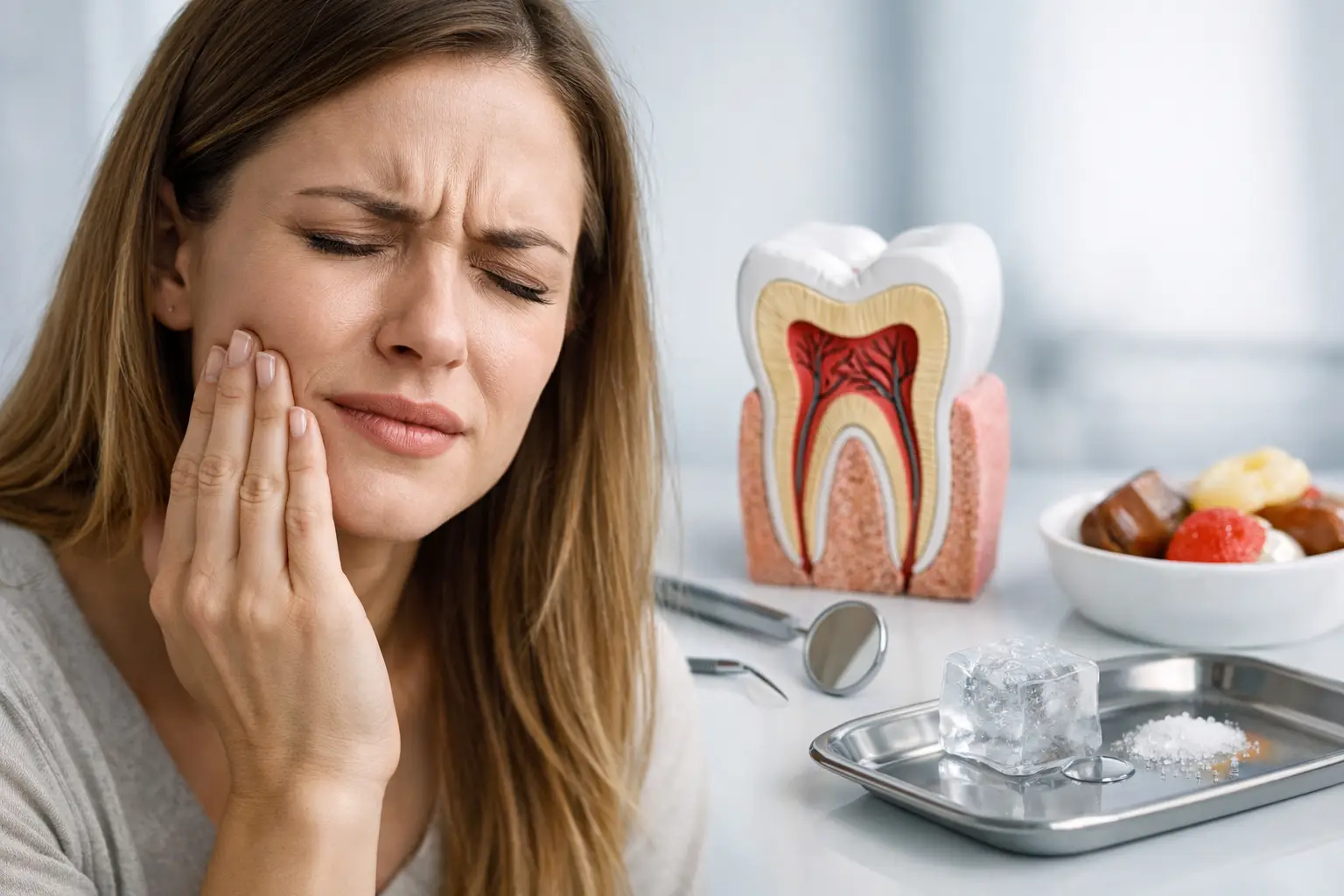
That sharp zing when you sip something cold, the dull ache that shows up at bedtime, or the pressure you feel when you bite down can all lead to the same question: why does my tooth hurt? Tooth pain is easy to ignore when it comes and goes, but it usually means something in the tooth, gums, or surrounding tissues needs attention.
Sometimes the cause is minor and straightforward. In other cases, pain is your body’s early warning sign that a cavity, crack, infection, or bite issue is getting worse. The sooner you understand what may be behind it, the easier it is to protect your comfort and your long-term oral health.
Why does my tooth hurt when nothing looks wrong?
Not all dental problems are visible in the mirror. A tooth can look perfectly normal and still be sensitive, inflamed, or damaged below the surface. Pain may begin in the enamel, deeper in the tooth pulp, in the gum tissue, or even in the jaw muscles around the area.
This is one reason a proper exam matters. Symptoms give clues, but they do not always point to the exact source. What feels like one sore tooth may actually be referred pain from a nearby tooth, sinus pressure, clenching, or a problem under an older filling.
Common reasons a tooth hurts
Tooth decay
A cavity is one of the most common causes of tooth pain. Early decay may cause sensitivity to sweets, cold drinks, or brushing. As it gets deeper, the pain can become more constant or more intense.
The tricky part is that small cavities do not always hurt right away. By the time pain becomes obvious, decay may be closer to the nerve and require more than a simple filling. Catching it early usually means more conservative treatment.
Tooth sensitivity
If your tooth hurts with cold air, ice water, hot coffee, or brushing, sensitivity may be the issue. This often happens when enamel wears down or gums recede, exposing the softer root surface underneath.
Sensitivity can come from aggressive brushing, grinding, acidic foods and drinks, whitening products, or early decay. Sometimes it is manageable with the right toothpaste and habits. Sometimes it points to a deeper issue that should be checked.
A cracked or chipped tooth
A crack is not always easy to see, but you may feel it when chewing or when releasing your bite. Some people describe a sudden, sharp pain that seems to come and go without warning.
Cracks can happen from biting hard foods, sports injuries, clenching, or gradual wear over time. A small chip may be mostly cosmetic, but a deeper crack can irritate the nerve and allow bacteria to enter. Treatment depends on how far the damage goes.
Gum inflammation or gum disease
Pain that feels like it is in the tooth may actually start in the gums. Swollen, tender, or bleeding gums can make the whole area feel sore, especially when chewing or brushing.
Gum disease does not always cause dramatic pain in the early stages, which is part of the problem. If plaque and bacteria stay along the gumline, the tissue can become inflamed and the bone supporting the tooth may be affected over time. That is one reason regular hygiene care matters even when things seem fine.
Infection or abscess
A tooth infection can cause throbbing pain, swelling, pressure, sensitivity to heat, and sometimes a bad taste in the mouth. In some cases, the pain spreads into the jaw, ear, or side of the face.
This is not something to wait out. An abscess can worsen quickly and may affect more than just the tooth. If pain is severe, swelling is present, or you feel unwell, it is important to contact a dentist promptly.
Grinding and clenching
Many people clench or grind their teeth at night without realizing it. This can leave teeth sore in the morning, especially if several teeth feel tender rather than just one.
Grinding can also lead to tiny cracks, worn enamel, headaches, and jaw tension. The discomfort may be less about one damaged tooth and more about ongoing pressure on the whole bite. In that case, protecting the teeth and reducing strain becomes part of the solution.
Problems with fillings, crowns, or dental work
A tooth that has had treatment before can still develop pain. Fillings can wear down, crack, or leak over time. A crown may loosen, the bite may shift, or decay can form around older dental work.
If a tooth hurts when biting, or starts reacting to temperature months or years after treatment, it is worth having it reassessed. Dental work is durable, but it is not immune to wear.
Sinus pressure or referred pain
Upper back teeth sit close to the sinuses, so congestion or sinus inflammation can create pressure that feels very much like tooth pain. Usually, several upper teeth feel sore rather than one specific spot.
Jaw joint strain and muscle tension can also send pain into the teeth. This is another example of why symptoms alone can be misleading.
What your symptoms may be telling you
The way a tooth hurts often offers useful clues. Sharp pain with cold may suggest sensitivity, early decay, or a crack. Pain when biting can point to a crack, inflammation around the root, or a bite issue. Throbbing, persistent pain may mean the nerve is inflamed or infected.
Timing matters too. If pain lasts only a second and goes away, that is different from pain that lingers after hot or cold foods. Lingering pain can suggest the nerve is more significantly irritated. If a tooth keeps you awake, causes swelling, or makes it hard to eat, that usually means it should be seen sooner rather than later.
Why does my tooth hurt only sometimes?
Intermittent pain is common, and it often leads people to put off care. If the pain disappears for a few days, it is tempting to assume the problem has resolved. Unfortunately, that is not always the case.
Tooth pain can come and go depending on what triggers it. You may only notice it with certain foods, when chewing on one side, or during times of stress if clenching is involved. Sometimes the nerve inside the tooth changes over time, so the pain pattern shifts before becoming more constant. A break in symptoms does not necessarily mean the tooth is healing.
What to do before your appointment
If your tooth hurts, start with gentle basics. Rinse with warm salt water, keep the area clean, and avoid very hot, cold, sugary, or hard foods if they trigger pain. Over-the-counter pain relief may help temporarily if it is appropriate for you.
Try not to chew on the sore side, and do not place aspirin directly on the gum or tooth. That can irritate the tissue and does not fix the cause. If swelling develops, or if the pain becomes severe, contact a dental office promptly.
When to book a dental visit
Some toothaches can wait a day or two for a routine appointment. Others need attention much faster. It is best to book soon if pain lasts more than a day or two, keeps returning, or is affecting how you eat and sleep.
Urgent care is especially important if you have facial swelling, fever, a bad taste in your mouth, pain after an injury, or a broken tooth with significant discomfort. In a patient-centred practice like Victoria Park Dental, the goal is not just to stop the pain for today, but to understand why it started and choose the most conservative, effective treatment for your situation.
How dentists figure out why a tooth hurts
An exam usually includes a conversation about your symptoms, a close look at the tooth and gums, and often X-rays or other imaging. The dentist may check how the tooth responds to temperature, pressure, and biting.
This step matters because different problems can feel similar but need very different treatment. Sensitivity from gum recession is managed differently than a cracked cusp, and both are very different from an infection. Good diagnosis leads to better, more comfortable care.
The value of early treatment
With tooth pain, waiting rarely makes things simpler. A small cavity may need only a filling, while a larger one may require more extensive treatment. A minor crack may be stabilized early, but a deeper fracture can become much harder to save.
The good news is that many causes of tooth pain are very treatable, especially when caught early. Modern dentistry offers comfortable options for diagnosis, relief, and restoration, along with practical guidance to help prevent the same issue from returning.
If you keep asking yourself, why does my tooth hurt, take that question seriously. Pain is not just an inconvenience. It is useful information, and paying attention to it is one of the best things you can do for your future smile.