
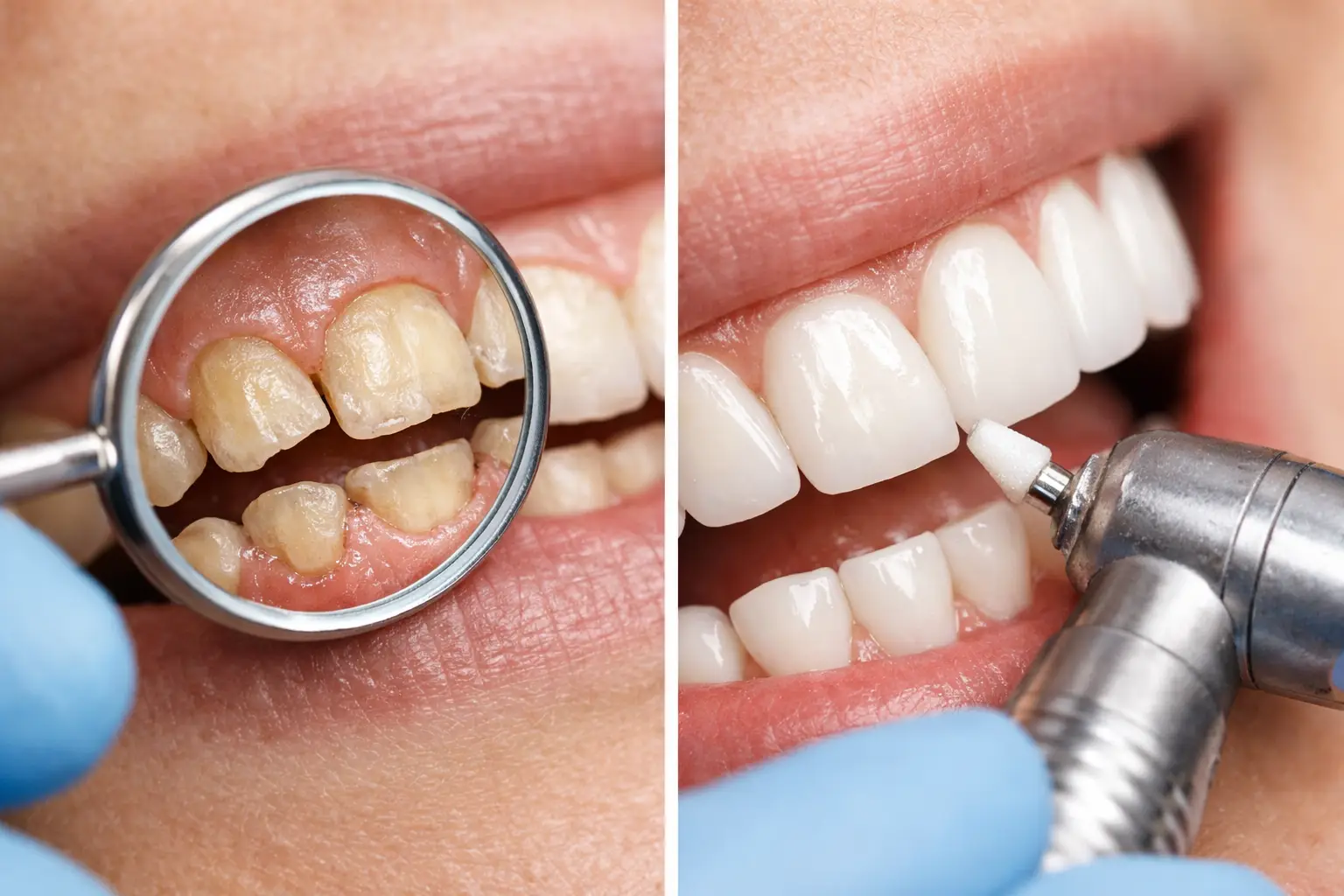
A tooth that looks shorter than it used to can be more than a cosmetic concern. Small chips, flattened edges, sensitivity, or a bite that no longer feels quite right may all point to gradual tooth wear. Restoring worn down teeth is about rebuilding more than appearance – it can help protect remaining enamel, improve chewing comfort, and support the way your teeth work together over time.
Tooth wear often develops slowly, which makes it easy to overlook until the changes become noticeable in photos, while eating, or during a routine dental visit. The encouraging news is that treatment can be carefully planned around your teeth, your bite, and the amount of healthy tooth structure that remains.
Why teeth become worn down
Teeth are strong, but they are not indestructible. Enamel can wear away through normal use, and certain habits or health concerns can make the process happen faster.
Grinding or clenching, also called bruxism, is a common contributor. Some people wake with jaw tension or headaches, while others grind at night without realizing it. Constant pressure can flatten chewing surfaces, chip edges, and place stress on existing fillings or crowns.
Acid exposure is another cause. Frequent reflux, regular sipping of acidic drinks, or highly acidic foods can soften enamel over time. Once enamel has thinned, teeth may become more vulnerable to wear from brushing and everyday chewing. A bite that is uneven, missing teeth that have changed how you chew, or repeated use of teeth to open packages can also concentrate pressure in the wrong places.
Sometimes tooth wear is a combination of factors. This is why a personalized assessment matters. Treating the visible damage without addressing the cause can lead to repeated repairs and avoidable wear on new restorations.
Signs you may benefit from restoring worn down teeth
Worn teeth do not always hurt. In fact, many people only notice a change when they compare older photographs or are told about it during a checkup. Signs worth discussing with your dentist include teeth that appear shorter, more translucent, rough, chipped, or uneven.
You may also notice sensitivity to cold, heat, or sweet foods. If the protective enamel layer becomes thinner, the underlying tooth structure can react more easily. Changes in your bite can be another clue. Perhaps your front teeth no longer meet as they once did, food is harder to chew, or your jaw feels tired by the end of the day.
These symptoms can have other causes, so they are not a diagnosis on their own. A dental examination can determine whether wear is involved and whether it is active or stable.
The first step: understand your bite and tooth health
Before deciding how to rebuild worn teeth, your dentist will look at the whole picture. This includes the condition of your enamel, gums, fillings, jaw joints, and bite. Photos, digital scans, and X-rays may be recommended to assess areas that cannot be seen clearly during a visual exam.
This planning stage helps answer practical questions: Is the wear limited to a few teeth or spread throughout the mouth? Is there decay, cracking, gum inflammation, or erosion to manage first? Are you clenching at night? Does your bite need to be adjusted before restorations are placed?
A conservative plan often begins by preserving as much healthy tooth structure as possible. Not every worn tooth needs a crown, and not every patient needs extensive treatment. For some people, monitoring, protective measures, and small repairs are enough. For others, a more complete restoration can prevent further damage and make everyday eating more comfortable.
Treatment options for worn teeth
The right treatment depends on the amount of wear, the health of each tooth, your bite, and your goals. Your dentist should explain the advantages, limitations, expected longevity, and maintenance needs of each option before you decide.
Composite bonding for smaller changes
Composite bonding uses tooth-coloured resin to rebuild chipped edges, smooth rough areas, or add length to teeth that have become slightly worn. It can be a conservative choice because it often requires little or no removal of healthy enamel.
Bonding can create a natural-looking improvement in a single visit, depending on the case. However, composite material may stain, chip, or wear more easily than ceramic over time, particularly for people who grind their teeth. Regular checkups and a night guard, when appropriate, can help protect the result.
Ceramic veneers for visible front teeth
Veneers are thin ceramic coverings designed for the front surfaces of teeth. They can address worn edges, uneven shape, colour concerns, and minor gaps while creating a balanced appearance.
Veneers are not the best answer for every worn tooth. They are generally considered when the teeth and gums are healthy and the bite can support them. If active grinding or significant bite issues are left untreated, veneers may be at greater risk of chipping or fracture. Careful planning is what makes an attractive result more likely to last.
Crowns and onlays for more damaged teeth
When a tooth has substantial wear, a large old filling, cracking, or loss of structure, a ceramic crown or onlay may provide stronger coverage. An onlay restores the damaged chewing portion while preserving more natural tooth than a full crown when possible. A crown covers the entire visible tooth and may be recommended when broader protection is needed.
Modern ceramic restorations are designed to look natural and function comfortably. At Victoria Park Dental, CEREC same-day restorations may be an option for suitable cases, allowing a custom ceramic restoration to be designed and placed in one appointment. Not every restoration can or should be completed this way, but it can offer welcome convenience when clinically appropriate.
Rebuilding a full bite
More advanced wear can affect many teeth and alter the overall bite. In these situations, treatment may be completed in stages to rebuild chewing surfaces, restore tooth length, and create a more stable bite relationship. This can involve a combination of bonding, onlays, crowns, or veneers rather than one solution for every tooth.
Full-mouth rehabilitation is highly individualized. It requires detailed planning and may take several appointments. The benefit is a treatment plan that considers function and long-term comfort alongside appearance, rather than simply making each tooth look better in isolation.
Protecting your new restorations
Restoring worn teeth is only part of the care plan. The habits and conditions that caused the wear need attention too. If clenching or grinding is suspected, a custom night guard may help reduce pressure on your teeth and restorations while you sleep.
For erosion related to reflux, speaking with your physician can be an important part of protecting your oral health. Your dental team may also suggest adjustments such as limiting frequent acidic drinks, drinking water after acidic foods, and waiting about 30 minutes before brushing after an acidic meal or episode of reflux. Brushing immediately can rub softened enamel more aggressively.
A soft toothbrush, gentle technique, fluoride toothpaste, regular hygiene visits, and consistent checkups all support the longevity of dental work. If you play contact sports, a properly fitted sports guard is another practical layer of protection.
When should you book an assessment?
It is wise to book an appointment when you notice new sensitivity, repeated chipping, jaw soreness, or a visible change in tooth shape. Earlier care can sometimes mean smaller, more conservative restorations. It also gives your dentist an opportunity to identify erosion, grinding, or bite concerns before they create larger problems.
There is no need to wait until your teeth feel painful or look dramatically different. A thoughtful conversation can clarify what is happening, what can be monitored, and which treatment choices fit your needs. With gentle care and a plan designed around your smile, restoring worn teeth can be a positive step toward more comfortable, confident years ahead.