
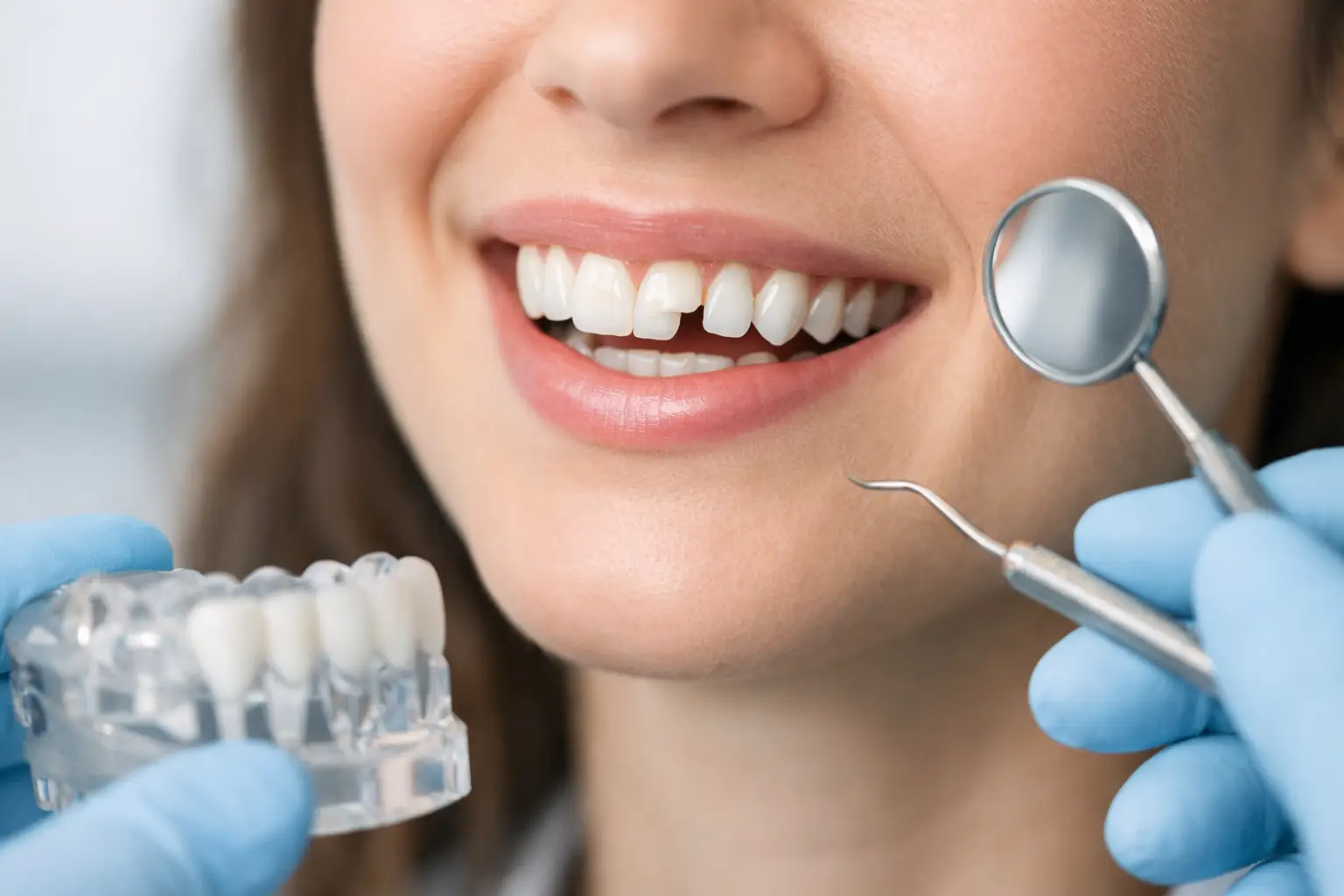
A chipped tooth can happen in a moment: a bite into something unexpectedly hard, a fall, a sports injury, or a filling that gives way. Knowing how to fix chipped tooth damage starts with protecting the tooth and arranging a dental assessment, rather than trying to smooth, glue, or ignore it at home. Even a small chip can leave an edge that irritates your tongue, expose a vulnerable area of the tooth, or change the way your bite feels.
The reassuring news is that many chipped teeth can be repaired comfortably and conservatively. The right solution depends on where the chip is, how much tooth structure is missing, whether the nerve is affected, and what will give you a healthy, natural-looking result that lasts.
What to do right after you chip a tooth
First, rinse your mouth gently with warm water. This clears away small fragments and lets you see whether there is bleeding or a sharp edge. If you can find the broken piece of tooth, place it in milk or saliva in a clean container and bring it to your appointment. In some cases, your dentist may be able to assess whether it can be used in the repair.
If your mouth is bleeding, apply gentle pressure with clean gauze. A cold compress against the outside of the cheek may help with swelling and discomfort. Over-the-counter pain medication may be appropriate for many people when taken as directed, but avoid placing aspirin directly on the tooth or gums. It can irritate soft tissue.
Until you are seen, try not to chew on that side of your mouth. Choose softer foods and avoid very hot, very cold, sugary, or acidic drinks if the tooth feels sensitive. Dental wax, available at many pharmacies, can temporarily cover a rough edge that is catching on your cheek or tongue. It is a short-term comfort measure, not a repair.
When a chipped tooth needs urgent care
A small chip without pain is usually not an emergency, but it still deserves a timely appointment. Teeth do not repair enamel on their own, and a rough or weakened area can worsen with normal chewing.
Contact a dentist promptly if you have persistent or severe pain, sensitivity that lingers after hot or cold foods, swelling, bleeding that will not stop, a loose tooth, or a chip that exposes a pink or red area inside the tooth. These signs can suggest deeper damage. You should also seek urgent advice after a significant blow to the face, even if the tooth looks mostly intact. Cracks may not be visible without an examination and X-rays.
For a knocked-out adult tooth, time matters. Handle the tooth by the crown, not the root, rinse it briefly if dirty, and seek immediate dental care. Do not scrub the root or wrap it in tissue.
How dentists fix a chipped tooth
Your dentist will begin by examining the tooth, surrounding gums, and bite. Depending on the injury, digital X-rays may help identify a crack, root injury, or damage below the surface. From there, treatment is personalized to protect function as well as appearance.
Smoothing or polishing a very small chip
When only a tiny amount of enamel has chipped, gentle contouring may be enough. Your dentist smooths the sharp edge and reshapes it so it blends naturally with the tooth. This is often a simple option for minor wear or a small edge chip, although it is not suitable when more structure is missing or the tooth has become weak.
Dental bonding for a natural-looking repair
Composite bonding is a common solution for visible chips, especially on front teeth. A tooth-coloured resin is carefully shaped, hardened with a curing light, and polished to match the surrounding enamel. Bonding can often be completed in one visit and usually preserves more natural tooth structure than a more extensive restoration.
It does have trade-offs. Composite can stain or chip over time, particularly for patients who bite their nails, chew ice, or grind their teeth. Regular checkups allow your dentist to monitor the repair and polish, touch up, or replace it when necessary.
Veneers for cosmetic concerns
A porcelain veneer may be considered when a front tooth has a larger chip or when there are additional cosmetic concerns, such as uneven shape or long-standing discolouration. A veneer is a thin, custom-made shell that covers the front surface of the tooth.
This option can create a refined, durable result, but it is not automatically the best choice for every chip. It generally requires some preparation of the tooth and is best considered as part of a thoughtful, long-term plan for your smile.
Crowns for more extensive damage
If a substantial portion of the tooth has broken or a large existing filling has failed, a crown may provide the support the tooth needs. A crown covers the tooth and restores its shape, strength, and chewing function. Modern ceramic crowns can be colour-matched for a natural appearance.
For suitable cases, CEREC same-day restorations can offer the convenience of designing and placing a custom ceramic crown in one appointment. Your dentist will discuss whether this approach fits the condition of your tooth, your bite, and the goals of your treatment.
Root canal treatment when the nerve is affected
A deep chip may reach the pulp, the soft tissue inside the tooth containing nerves and blood vessels. If this tissue is inflamed, infected, or exposed, root canal treatment may be needed to save the tooth. The inside of the tooth is cleaned and sealed, and a crown is often recommended afterwards to protect it from fracture.
While this can sound intimidating, treatment is designed to relieve pain and preserve your natural tooth whenever possible. Prompt care can make the path forward more straightforward.
Why a chipped tooth should not be ignored
It is tempting to wait if the chip is small or no longer painful. However, enamel is the protective outer layer of the tooth. Once it is damaged, the edge may be more likely to catch, crack further, or collect plaque. If dentin beneath the enamel is exposed, sensitivity can develop because this layer contains tiny channels connected to the nerve.
A chip may also affect your bite in subtle ways. You may begin favouring one side when chewing, or a rough edge can repeatedly irritate your tongue. Addressing the issue early is often more conservative than waiting for a larger fracture or infection.
Can you prevent another chipped tooth?
Not every accident is avoidable, but a few habits make a meaningful difference. Wear a custom mouthguard for contact sports or activities with a risk of facial injury. If you clench or grind your teeth, ask your dentist whether a nightguard could reduce pressure on your teeth and existing restorations.
It also helps to avoid using teeth as tools to open packaging, cut thread, or hold objects. Be cautious with ice, hard candy, popcorn kernels, and bones. These habits can create concentrated force on enamel, fillings, and crowns.
Regular preventive appointments are useful here, too. Your dental team can spot worn enamel, small cracks, bite concerns, and ageing restorations before they become a painful break. For children, early, positive dental visits also create an opportunity to discuss sports protection and healthy habits in a calm, supportive setting.
What to expect at your appointment
A chipped tooth appointment should leave you with clear answers: what happened, whether the tooth is stable, which treatments are appropriate, and what each option means for your comfort, appearance, durability, and budget. There is rarely a one-size-fits-all answer. A tiny chip on a front tooth and a fractured back tooth that bears heavy chewing forces need different approaches.
At Victoria Park Dental, the focus is on understanding the full picture and recommending care that supports your long-term oral health. Whether the repair is a simple polish, tooth-coloured bonding, or a more protective restoration, the goal is to help you feel comfortable smiling, speaking, and eating again.
If your tooth has chipped, take a breath, protect the area, and arrange an assessment soon. A prompt, personalized repair can often prevent a small moment from becoming a bigger dental problem.