
For many parents, the question of when should children see dentist comes up somewhere between spotting that first tiny tooth and trying to survive teething. It is an easy milestone to miss, especially if your child seems comfortable and their teeth look healthy. But early dental visits are less about fixing problems and more about preventing them before they start.
When should children see dentist for the first time?
Most children should see a dentist by their first birthday or within six months of their first tooth coming in, whichever happens first. That often surprises parents. If a baby only has one or two teeth, it may not feel like there is much to examine yet.
In reality, those early visits matter because decay can begin earlier than many people expect. Baby teeth have thinner enamel than adult teeth, which means cavities can develop quickly once they start. A first visit also gives your dental team a chance to check how the teeth, gums, bite, and oral habits are developing from the start.
There is also a practical side to this timing. When children become familiar with the dental office early, visits often feel more normal and less intimidating as they grow. That can make a real difference later on, especially if treatment is ever needed.
Why early visits matter even if nothing seems wrong
A child does not need tooth pain, visible staining, or a chipped tooth to benefit from seeing a dentist. Preventive care is one of the most valuable parts of pediatric dentistry because many dental issues begin quietly.
An early appointment can help identify signs of decay, feeding-related concerns, prolonged pacifier use, tongue or lip ties in some cases, and habits that may affect tooth position over time. It is also an opportunity for parents to ask questions that do not always come up during routine medical visits, such as when to start brushing with fluoride toothpaste, what to do about thumb sucking, or whether frequent snacking is affecting oral health.
For families, reassurance is often just as helpful as treatment. If everything looks healthy, that is worth knowing too. It gives you a clear starting point and helps build a plan for keeping your child’s smile on track.
What happens at a child’s first dental visit?
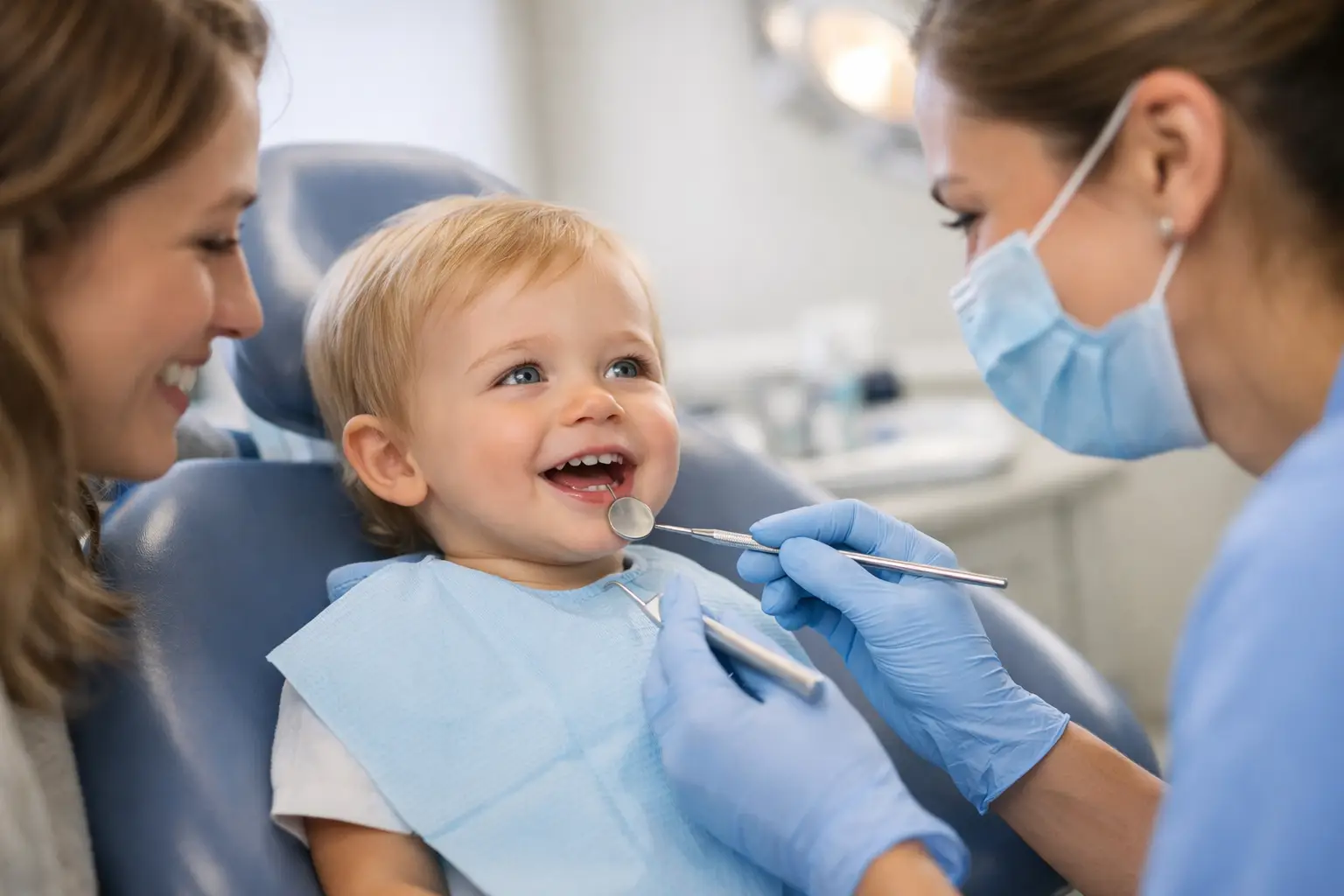
The first appointment is usually short, gentle, and focused on comfort. For infants and toddlers, the exam may happen with the child sitting on a parent’s lap. The dentist will look at the teeth and gums, check oral development, and talk with you about home care, feeding habits, fluoride, and what to expect next.
Not every first visit looks exactly the same. It depends on your child’s age, how many teeth they have, and how comfortable they feel in a new setting. Some toddlers are curious and cooperative. Others want nothing to do with opening their mouths for strangers. That is normal.
The goal is not perfection. The goal is to create a positive, low-pressure experience while gathering the information needed to support your child’s oral health. In a practice like Victoria Park Dental, that early focus on gentle, personalized care can help children and parents feel more at ease from the beginning.
What parents can expect during the appointment
You can usually expect a simple exam, guidance on brushing and flossing, discussion about nutrition and cavity prevention, and recommendations for future recall visits. If your child is old enough, a cleaning may also be included. X-rays are not always needed at the first visit, especially for very young children, but they may be recommended later depending on risk factors and spacing between teeth.
If there is an area of concern, your dentist should explain what they see in clear language and talk through next steps without making the visit feel overwhelming.
Signs a child should see a dentist sooner
While the first visit should happen early even without symptoms, some situations call for an appointment right away. If you notice white or brown spots on the teeth, ongoing bad breath, gum swelling, mouth pain, trauma from a fall, or sensitivity while eating, it is best not to wait.
The same goes for delayed tooth eruption in some cases, concerns about jaw development, or oral habits that seem persistent or intense. Not every issue turns into a serious problem, but early assessment can make treatment simpler and more conservative.
This is one of those areas where it depends. Some spacing, late eruption, and mild bite quirks can fall within a normal range of development. Others need monitoring. A dentist can help distinguish between what is expected and what deserves closer attention.
How often should children go after the first visit?
For many children, dental visits every six months are appropriate. That schedule allows for regular monitoring, preventive care, and support as the mouth changes quickly through infancy, preschool years, and early school age.
That said, some children benefit from more frequent visits. A child with a history of cavities, enamel concerns, orthodontic changes, or difficulty keeping teeth clean may need appointments at shorter intervals. Others with low cavity risk and excellent home care may simply continue with standard checkups.
A personalized approach matters here. Good pediatric dental care is not just about following a calendar. It is about understanding your child’s needs, habits, development, and risk factors over time.
How parents can prepare children for a positive first visit
Children often take their cues from the adults around them. If a first appointment is presented as calm, normal, and helpful, that usually works better than building it up into a major event.
Simple language helps. You can tell your child that the dentist will count their teeth and make sure their smile is healthy. Try to avoid promising there will be nothing unusual at all, since even a friendly exam can feel unfamiliar to a toddler. It is also best to avoid words that may create anxiety before the visit, even if your intentions are good.
Timing matters too. Booking an appointment when your child is usually well-rested and fed can make the experience much smoother. For very young children, mornings are often easier than late afternoons.
At-home habits that support early dental health
A dental visit is only one part of prevention. Daily habits make the biggest difference between appointments. As soon as the first tooth appears, brushing twice a day with an age-appropriate amount of fluoride toothpaste should become part of the routine. Once teeth begin touching, flossing matters too.
Diet plays a major role. Frequent exposure to juice, milk at bedtime, sticky snacks, and constant grazing can increase cavity risk, even in very young children. It is not about aiming for perfect eating habits. It is about understanding that how often teeth are exposed to sugars and acids can matter as much as how much is consumed.
Common questions parents have about early dental visits
One of the most common concerns is whether baby teeth really matter if they are going to fall out anyway. They do. Baby teeth help children chew, speak clearly, and hold space for adult teeth. When they become decayed or are lost too early, it can affect comfort, nutrition, and future dental development.
Another question is whether a child is too young to cooperate. The answer is usually no. Dentists who see children regularly expect wiggles, tears, and short attention spans. A successful visit does not require a perfectly still, smiling toddler.
Parents also often wonder whether they should wait until all the baby teeth come in. In most cases, waiting that long means missing the window for early prevention and guidance. If the first tooth is already visible, it is time to start thinking about that first visit.
When should children see dentist if they are older and have never been?
The best time is now. If your child is already two, three, or older and has not had a dental appointment yet, there is no benefit to delaying further. Start where you are.
Older children can still have a very positive first experience, especially when the visit is framed around getting to know the dental office and checking that everything is healthy. If there is anxiety, let the dental team know. A patient-centred practice will adjust the pace, explain things clearly, and work to build trust.
Early dental care is one of the simplest ways to support lifelong health. A first visit around age one gives children a strong start, but even if that timeline has passed, a gentle appointment now can still set the tone for years of healthier smiles ahead.