
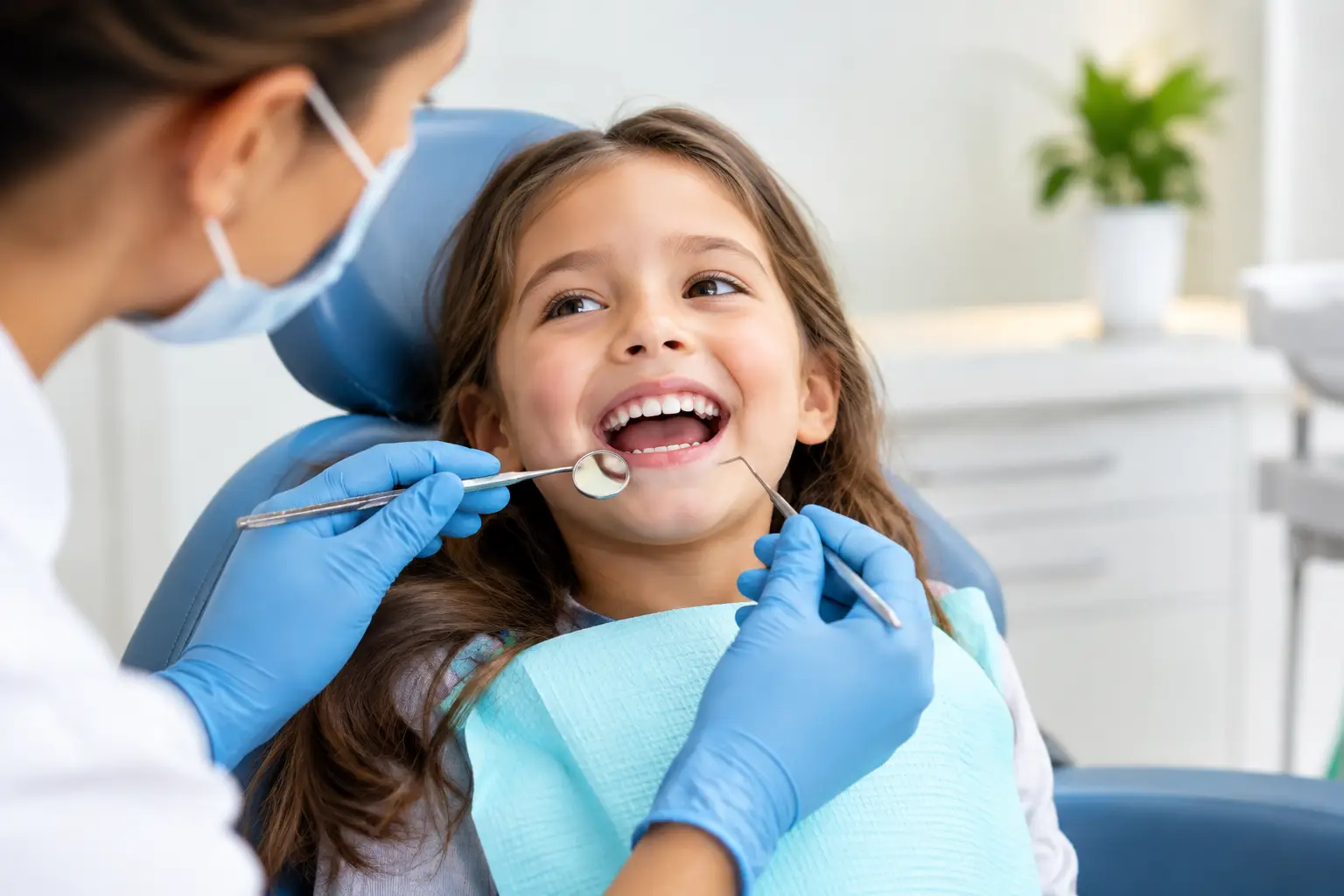
A child’s first cavity can feel surprising, especially when brushing appears to be part of the daily routine. The truth is that pediatric cavity prevention is built through many small choices: what and how often a child eats and drinks, the quality of brushing, fluoride exposure, and regular dental care that catches concerns early. With calm guidance and consistent habits, families can protect young smiles without turning oral care into a daily battle.
Why children can develop cavities quickly
Tooth decay occurs when bacteria in plaque use sugars and starches from food and drinks to produce acids. Those acids gradually weaken tooth enamel. Children are particularly vulnerable because newly erupted teeth have developing enamel, brushing skills take time to develop, and frequent snacking can give mouth bacteria repeated fuel throughout the day.
Cavities are not always caused by obvious sweets. Crackers, granola bars, dried fruit, juice, flavoured milk, and sticky snacks can all remain on or between teeth. Even healthy foods can contribute to decay when they are eaten often enough that teeth do not have time to recover between exposures.
Saliva helps wash away food particles and neutralize acids, which is one reason water is the best everyday drink between meals. A child who sips juice, sweetened drinks, or sports drinks throughout the afternoon may be exposing their teeth to sugar and acid far more often than a child who enjoys a treat with a meal and drinks water afterward.
Pediatric cavity prevention begins at home
The goal is not perfection. It is creating a routine that is realistic for busy North Vancouver families and reliable enough to protect teeth over time. Children need help with brushing much longer than many parents expect. A child may be able to hold a toothbrush independently, but effective brushing requires coordination and attention that often do not fully develop until around age seven or eight.
Build a brushing routine that works
Brush twice a day for two minutes with a soft-bristled toothbrush and fluoride toothpaste. For children under age three, use a smear of toothpaste about the size of a grain of rice. For children ages three to six, use a pea-sized amount. Encourage children to spit out excess toothpaste rather than rinse thoroughly, so a small amount of fluoride remains on the teeth.
Parents should brush or closely supervise brushing, particularly at bedtime. Nighttime brushing deserves extra attention because saliva flow naturally drops during sleep. Once teeth touch each other, flossing becomes part of the routine too. It only takes a small area of contact between two teeth for a cavity to develop where a toothbrush cannot reach.
Some children respond well to a favourite song, a two-minute timer, or taking turns: they brush first, then an adult takes a final turn. The best system is the one your family can repeat every morning and evening.
Make food and drink choices easier on teeth
Children do not need a sugar-free childhood to have healthy teeth. What matters most is the frequency of sugar exposure and how long foods stay in the mouth. Keep sweet foods and drinks closer to mealtimes when possible, rather than allowing grazing throughout the day.
Water is a practical default for school, sports, errands, and bedtime. Milk is generally a good choice with meals, while juice is best treated as an occasional drink and served in a cup rather than sipped over long periods. Avoid putting juice, sweetened milk, or other sugary drinks in a bedtime bottle or sippy cup. If a child needs a drink before sleep after brushing, choose water.
Tooth-friendly snack options can include cheese, plain yogurt, vegetables, fresh fruit, eggs, and nuts or seeds when age-appropriate and safe for the child. Sticky foods are not forbidden, but they are worth following with water and regular brushing. For older children, sugar-free gum containing xylitol after a meal may help stimulate saliva when brushing is not possible, though it is not a replacement for brushing and flossing.
Early dental visits make prevention more personal
A child should see a dentist by their first birthday or within six months of their first tooth appearing. Early visits are not about finding fault with a parent’s routine. They give families a comfortable starting point, allow the dental team to monitor development, and help children become familiar with the sights and sounds of a dental office before treatment is ever needed.
At a checkup, the dentist can look for early enamel changes, assess the way teeth and jaws are developing, review brushing and diet habits, and discuss individual cavity risk. Some children need more frequent monitoring than others. Risk can be higher when a child has previous cavities, deep grooves in back teeth, enamel weaknesses, orthodontic appliances, frequent snacking, dry mouth, or difficulty brushing thoroughly.
Professional fluoride treatments may be recommended for children who would benefit from added enamel support. Fluoride is a naturally occurring mineral that helps strengthen teeth and can help reverse very early stages of decay before a cavity forms. The right approach depends on your child’s age, dental history, home routine, and local water source, so personalized advice is more useful than a one-size-fits-all plan.
Ask about sealants for permanent molars
When permanent molars come in, usually beginning around age six, their chewing surfaces can have narrow grooves that hold plaque and food. Even a child with good brushing habits may not be able to clean these grooves completely.
Dental sealants are thin protective coatings placed on the chewing surfaces of back teeth. They are quick to apply and are often recommended for children with deep grooves or a higher risk of cavities. Sealants do not replace brushing, flossing, or dental visits, but they can offer useful protection during the years when new permanent teeth are most vulnerable.
Watch for early signs that need attention
Cavities do not always hurt at first. In fact, waiting for tooth pain can mean decay has already progressed. A white, chalky area near the gumline may be an early sign of enamel weakening. Brown or dark spots, sensitivity to cold or sweets, food getting stuck in one place, bad breath that does not improve with brushing, or a child avoiding one side while chewing are all reasons to book a dental assessment.
Call promptly if a child has facial swelling, persistent pain, fever with dental pain, or a tooth injury. These situations need timely professional care. A baby tooth may be temporary, but it supports speech, eating, confidence, and proper spacing for adult teeth. Keeping it healthy matters.
Help children feel confident about dental care
A positive dental experience supports prevention because children are more likely to accept regular visits and speak up when something feels uncomfortable. Use simple, neutral language before an appointment. You might say that the dental team will count their teeth, take pictures if needed, and show them how to keep their smile strong. Avoid promising that nothing will feel strange or mentioning your own dental fears.
At Victoria Park Dental, pediatric care is approached with patience, clear explanations, and attention to each child’s comfort. A gentle introduction to dental visits can help make oral health care feel like a normal part of growing up, not something to fear.
Small routines have a lasting effect. Brushing together at bedtime, packing water for the day, and keeping regular checkups can give your child more than a cavity-free smile. They create familiar health habits that can stay with them long after they have outgrown the bathroom step stool.