
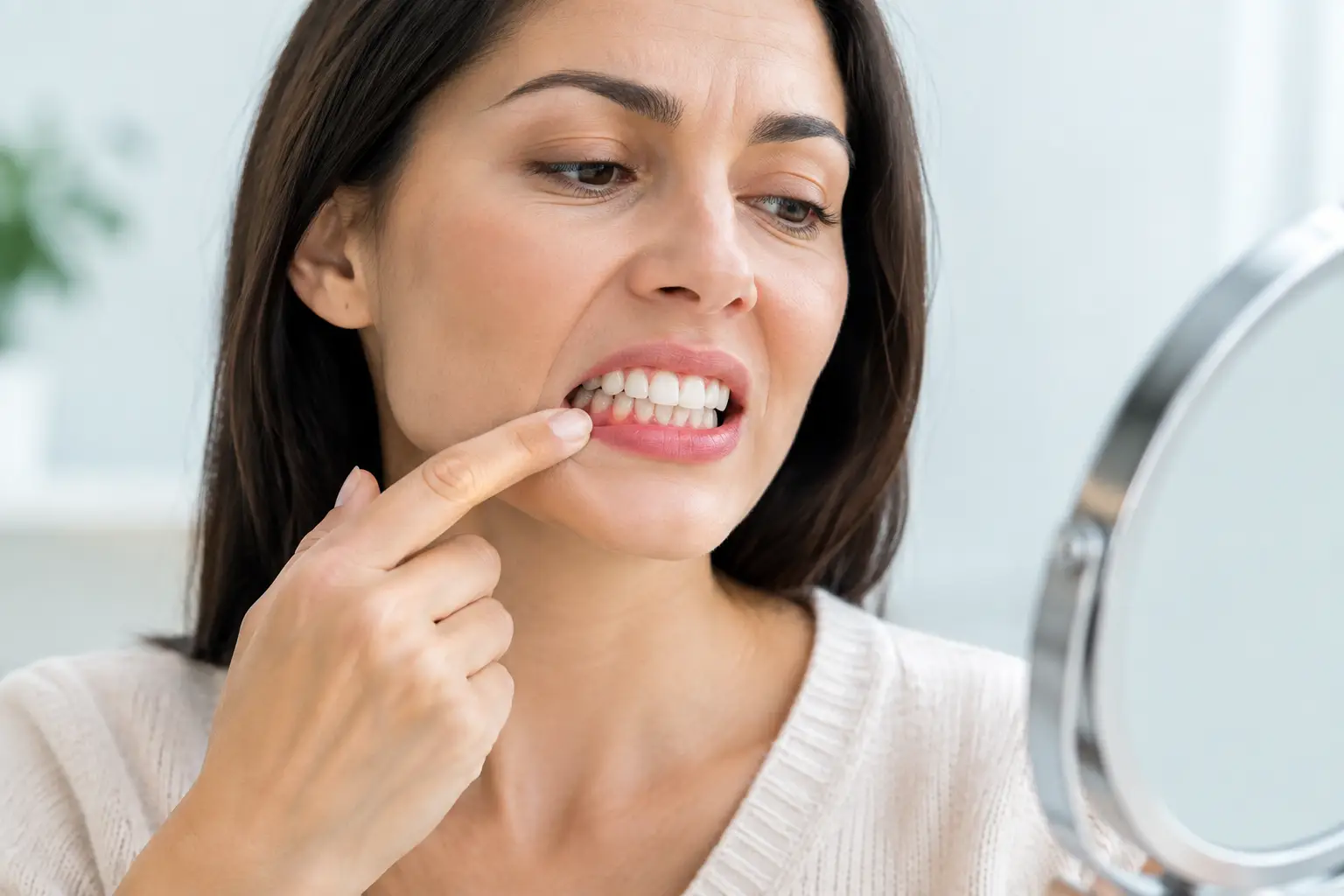
A tooth can start to look slightly longer long before it hurts. You may notice a small notch near the gumline, more sensitivity to cold water, or a change in how your smile looks in photos. If you are asking, “why do gums recede?”, you are not alone. Gum recession is common, but it is not something to ignore. Early attention can help protect the exposed tooth root and identify the cause before further damage occurs.
Gum recession means the gum tissue has moved away from the tooth, exposing more of the tooth surface and sometimes the root. Unlike the enamel on the visible crown of a tooth, root surfaces are softer and more vulnerable to sensitivity and decay. Receding gums do not always mean you have gum disease, but they do deserve a careful dental assessment.
Why Do Gums Recede?
There is rarely just one explanation. Gum tissue can recede because of inflammation, physical pressure, the way teeth fit together, or a combination of these factors. A personalized examination is the best way to tell which issue is affecting your gums.
Gum disease and ongoing inflammation
Gum disease is one of the most common causes of recession in adults. Plaque is a sticky film of bacteria that builds up around the teeth. When it is not removed thoroughly, it can harden into tartar and irritate the gums. Early gum disease may cause bleeding when brushing or flossing, tenderness, swelling, or persistent bad breath.
As gum disease progresses, inflammation can damage the tissues and bone that support the teeth. The gums may pull back, pockets can form around teeth, and teeth may eventually become loose. This process can be gradual and painless, which is why routine hygiene visits and checkups matter even when your mouth feels fine.
Brushing too hard or using the wrong technique
Good home care is essential, but more force is not better. Aggressive horizontal brushing, especially with a firm-bristled toothbrush, can gradually wear the gumline and tooth surface. People often brush harder when they are trying to feel especially clean, but gentle, thorough technique is more effective and kinder to the gums.
A soft toothbrush and small circular motions along the gumline are generally preferred. An electric toothbrush with a pressure sensor can also be helpful for people who tend to press too hard. Your dental hygienist can show you a technique tailored to your mouth, including areas that are harder to reach.
Genetics and naturally thin gum tissue
Some people are more prone to recession even with excellent oral hygiene. Gum thickness, tooth position, and the shape of the jaw are partly determined by genetics. If your gums are naturally thin or a tooth sits slightly outside the dental arch, there may be less tissue protecting it from everyday brushing forces and inflammation.
This does not mean recession is inevitable. It means monitoring is particularly valuable. Measuring gum levels over time helps your dental team spot small changes before they become more significant.
Grinding, clenching, and bite pressure
Clenching or grinding your teeth can place excessive pressure on teeth and their supporting structures. Many people do this during sleep and may not realize it. Jaw soreness in the morning, worn or chipped teeth, headaches, and a partner noticing grinding sounds can all be clues.
Grinding alone does not always cause gum recession, but it can contribute when gum tissue is already vulnerable. A custom nightguard may help protect teeth from the effects of nighttime grinding. If bite forces are uneven, your dentist may also discuss ways to reduce stress on specific teeth.
Tobacco use and oral piercings
Smoking, vaping, and other tobacco use can increase the risk of gum disease and affect the body’s ability to heal. Tobacco can also mask bleeding, so gums may look less inflamed than they actually are. Quitting is beneficial for your overall health as well as your gums.
Lip or tongue piercings can repeatedly rub against gum tissue and cause localized recession, often around the lower front teeth. The damage may be subtle at first, but repeated contact can become a long-term concern.
Crooked teeth and hard-to-clean areas
Crowded, rotated, or unevenly positioned teeth can make daily cleaning more difficult. Plaque tends to remain in tight spaces, allowing irritation to persist along the gumline. In some cases, teeth that sit outside the ideal arch position have less supporting bone and gum tissue.
Orthodontic treatment can improve alignment and make some areas easier to clean, but it is not the answer for every case of recession. The right approach depends on the health of the gums, bone levels, tooth position, and your goals.
Signs That Receding Gums Need Attention
Sensitivity to cold, heat, sweets, or brushing is a frequent sign because exposed roots do not have the same protective enamel layer as the crown of the tooth. You might also notice teeth appearing longer, a visible line or notch at the gumline, darker root-coloured areas, or spaces developing between teeth.
Bleeding gums are not normal, even if they only bleed occasionally. They are often a sign of inflammation and should be assessed rather than brushed more aggressively. If you notice swelling, pus, a bad taste, loose teeth, or a sudden change in your bite, arrange a dental appointment promptly.
What Can Be Done About Gum Recession?
Treatment depends on the cause and the amount of recession. The first goal is to stop or slow the process. That may involve professional cleaning, periodontal treatment for gum disease, changes to your brushing technique, managing grinding, or addressing contributing habits.
For mild recession with sensitivity, a dentist may recommend a desensitizing toothpaste, fluoride treatment, or a tooth-coloured protective material over an exposed root surface. These options can improve comfort, though they do not replace lost gum tissue.
When recession is more advanced, affects appearance, or leaves roots at higher risk, gum grafting may be considered. This procedure adds tissue to reinforce the gumline and, in selected cases, cover part of the exposed root. Not every patient needs surgery, and not every recession site is suitable for the same approach. A thorough examination helps clarify the likely benefit.
If gum disease is present, treating the infection and establishing regular maintenance are priorities before cosmetic concerns are addressed. Healthy gums provide the foundation for any future restorative or cosmetic dental care.
Protecting Your Gums at Home
The daily habits that protect gums are simple, but consistency matters. Brush twice a day with a soft-bristled toothbrush and fluoride toothpaste. Clean between teeth every day using floss, interdental brushes, or another method recommended for your spacing and dental work. The right tool is the one you can use effectively and consistently.
Try not to scrub at the gumline. Angle the bristles gently toward the gums and use light pressure. If you have bleeding or sensitivity, do not stop cleaning the area altogether. Instead, book an appointment so the cause can be identified and you can clean confidently without causing irritation.
Regular examinations and hygiene visits give your dental team a record of your gum health over time. At Victoria Park Dental, care is personalized to your needs, whether that means refining home care, treating gum inflammation, or discussing options to protect exposed roots.
Gum recession can feel worrying when you first notice it, but a small change does not automatically mean a major problem. Paying attention early, choosing gentle daily care, and seeking professional guidance can give your gums and teeth the best chance of staying healthy for years to come.