
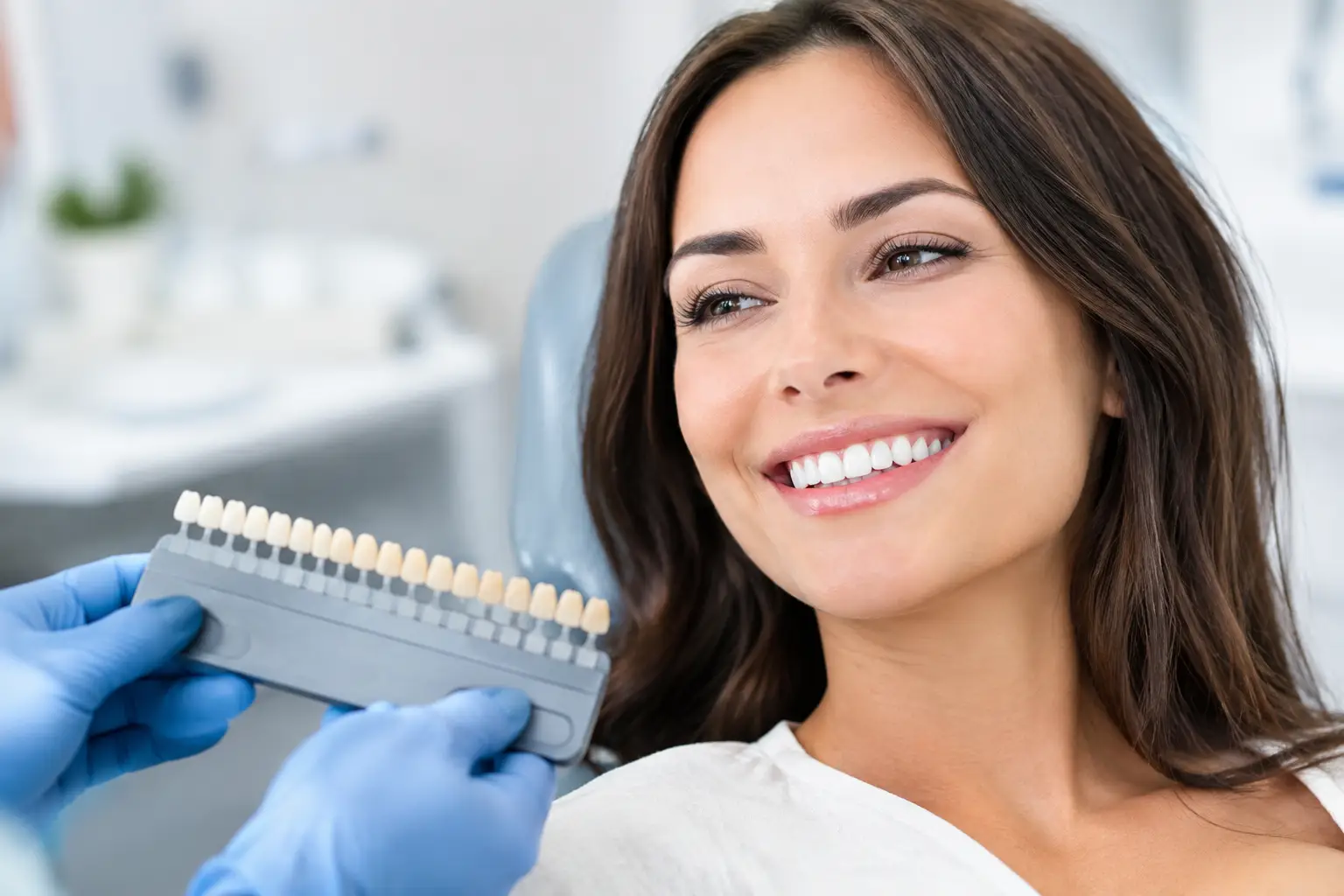
A brighter smile can be a small change with a big effect. It may help you feel more comfortable in photos, meetings, and everyday conversations. The best cosmetic dental treatments are not about creating a one-size-fits-all smile. They are about improving the features that matter to you while protecting the health, function, and natural character of your teeth.
At Victoria Park Dental, cosmetic care begins with a conversation and a comprehensive assessment. Before discussing colour, shape, or alignment, your dentist will look at your gums, bite, enamel, and existing dental work. That helps ensure any cosmetic improvement is comfortable, sustainable, and suited to your long-term oral health.
What Makes a Cosmetic Treatment the Right Choice?
The right treatment depends on what you would like to change and what is happening below the surface. A tooth that looks dark may respond beautifully to whitening, but it may also have an old filling, a crown, or an internal concern that needs a different approach. Crowding can affect appearance, yet it can also make teeth harder to clean.
A personalized plan considers your goals alongside practical questions: How much enamel is available? Are your gums healthy? Do you clench or grind your teeth? Are you looking for a quick refresh or a more lasting change? Honest answers to these questions help prevent treatment that looks good initially but does not serve you well over time.
Cosmetic dentistry works best when it is built on preventive care. Regular hygiene visits, good home care, and early treatment of decay or gum inflammation give your new smile the strongest possible foundation.
The Best Cosmetic Dental Treatments for Common Concerns
Professional teeth whitening
Professional whitening is often a good starting point for patients who are happy with the shape and position of their teeth but want a brighter overall appearance. Coffee, tea, red wine, tobacco, certain medications, and natural aging can all contribute to discoloration.
Dentist-supervised whitening is designed around your teeth and sensitivity level. It can brighten natural tooth enamel more predictably than many over-the-counter products, while allowing your dental team to check for issues such as cavities, gum recession, or worn enamel first.
Whitening does have limits. Crowns, veneers, fillings, and bonding will not change colour with whitening gel. If you have visible restorations, it is usually wise to whiten your natural teeth first, then discuss whether those restorations should be updated to match. Results also vary from person to person, and periodic touch-ups may be needed.
Dental bonding
Bonding uses tooth-coloured composite resin to improve small chips, uneven edges, minor gaps, or localized discolouration. It can be a conservative choice because it often requires little to no removal of healthy tooth structure.
For the right situation, bonding can make a noticeable difference in one appointment. It is especially helpful when a patient wants to soften a pointed tooth, repair a small fracture, or create a more balanced edge line.
The trade-off is durability. Composite resin can stain, chip, or wear over time, particularly for people who bite their nails, chew ice, or grind their teeth. Bonding may need polishing, repair, or replacement in the future. A custom nightguard can help protect cosmetic work if clenching or grinding is a concern.
Porcelain veneers
Veneers are thin custom shells, usually made of porcelain, that are bonded to the front surfaces of teeth. They can address several concerns at once, including persistent staining, uneven shape, small gaps, worn edges, and mild asymmetry.
Because porcelain reflects light in a way that resembles natural enamel and resists staining well, veneers can offer a refined, long-lasting cosmetic result. They are often considered when changes need to be more substantial than bonding can provide.
Veneers are not automatically the best answer for every smile. Preparing teeth for veneers may involve removing a small amount of enamel, making the decision a long-term commitment. They also need healthy gums, thoughtful bite planning, and consistent home care. For patients with active decay, gum disease, or significant grinding, those concerns should be addressed first.
Invisalign clear aligners
If crowded, spaced, or rotated teeth are the main concern, orthodontic treatment may be more conservative than covering teeth with cosmetic restorations. Invisalign clear aligners gradually guide teeth into better positions using a series of custom-made trays.
Many adults appreciate that clear aligners are removable for meals and brushing. Straightening can improve smile appearance, but it may also make it easier to clean between teeth and maintain healthy gums. Treatment time depends on the complexity of movement and how consistently aligners are worn.
Aligners require commitment. They should generally be worn for most of the day, and retainers are needed after treatment to help maintain the result. Invisalign is not ideal for every orthodontic case, but it can be an excellent option for many teens and adults seeking a discreet approach to alignment.
Same-day crowns and cosmetic restorations
A damaged, heavily filled, or weakened tooth may need more than a cosmetic surface change. A crown covers and protects the tooth while restoring its shape, strength, and appearance. Modern ceramic crowns can be carefully matched to surrounding teeth for a natural-looking result.
CEREC technology can allow some crowns and restorations to be designed and placed in a single visit. This can be especially convenient when a visible tooth has cracked, an old restoration has failed, or a tooth needs both functional and aesthetic improvement. Not every situation is suited to same-day treatment, but it can reduce the need for a temporary crown and a second appointment when appropriate.
Gum contouring and smile balance
Teeth are only part of a smile. The gumline frames them, and uneven gum tissue can make teeth appear shorter, smaller, or asymmetrical. In selected cases, gum contouring can gently reshape the gumline to create better balance.
This treatment should always be planned carefully. Gum tissue supports and protects your teeth, so cosmetic reshaping is considered only after a complete periodontal assessment. If the appearance of the gums is related to inflammation, improved hygiene and periodontal care may be the first and most beneficial step.
How to Choose Without Over-Treating
A cosmetic consultation should leave you informed, not pressured. Bring photos of smiles you like if that helps explain your goals, but remember that the most flattering result is one designed for your face, bite, and natural teeth. A healthy smile does not need to look identical to anyone else’s.
Ask your dentist what each option preserves, what it changes, and what maintenance it will require. It is also useful to discuss the expected lifespan of treatment, whether it can be repaired, and how it may affect neighbouring teeth. For example, whitening may be a simple first step before considering veneers, while orthodontics may reduce the need for restorative treatment later.
Cost matters too, but it should be viewed alongside durability and future care. A less invasive option may be more suitable even if it needs occasional maintenance. Conversely, a more durable restoration may be worthwhile when a tooth is already structurally compromised.
Caring for Your Cosmetic Results
The habits that protect natural teeth also protect cosmetic dentistry. Brush twice daily with a soft toothbrush and fluoride toothpaste, clean between teeth every day, and attend regular checkups and hygiene appointments. If you enjoy coffee, tea, or red wine, rinsing with water afterward can help reduce surface staining.
Avoid using teeth to open packages or bite hard objects. If you play contact sports, wear a properly fitted mouthguard. If you wake with jaw tension, headaches, or worn tooth edges, ask about signs of grinding and whether a nightguard could help protect your teeth and restorations.
A cosmetic treatment should feel like an extension of good dental care, not a shortcut around it. The most satisfying changes are often the ones that let you smile more freely while keeping your teeth comfortable, strong, and healthy for years to come.