
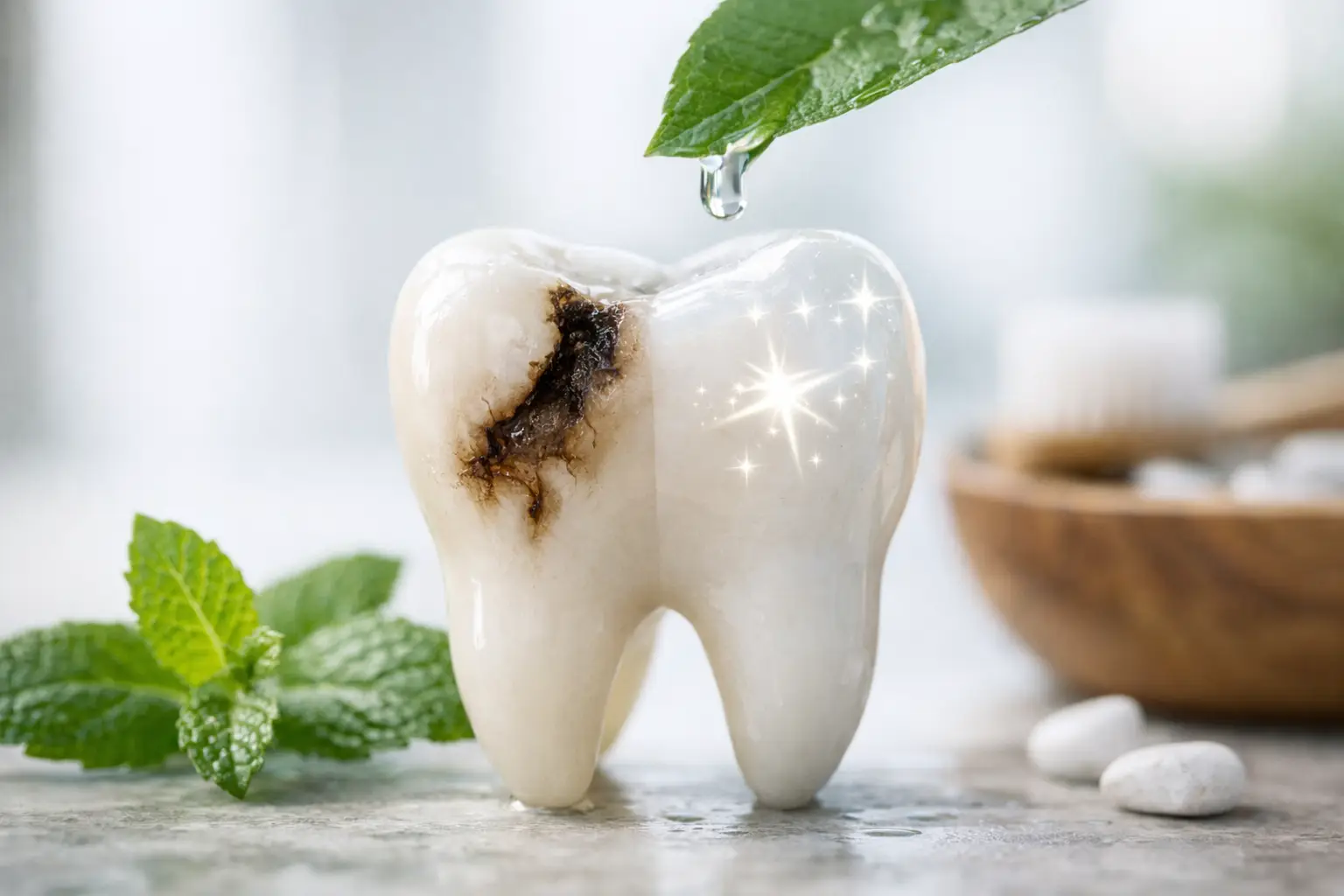
A tooth can look perfectly fine while its enamel is beginning to lose minerals. That is why the answer to “can cavities heal naturally” is both reassuring and time-sensitive: very early decay can sometimes be reversed, but a formed hole in a tooth cannot grow back on its own.
The most helpful next step is not guessing based on symptoms. A dental examination can show whether an area is still an early enamel lesion that may respond to preventive care, or whether it has progressed into a cavity that needs treatment. Acting early often means a simpler, more conservative solution.
Can cavities heal naturally, or only early decay?
Tooth decay develops in stages. Bacteria in dental plaque use sugars and starches from food and drinks, producing acids that pull minerals out of enamel. This first stage is called demineralization. It may appear as a chalky white spot, a dull area near the gumline, or nothing visible at all.
At this point, enamel can sometimes remineralize. Saliva brings minerals back to the tooth surface, and fluoride helps enamel become more resistant to future acid attacks. Good daily care, changes in eating habits, and professional fluoride recommendations can help stop or reverse this early damage.
Once the enamel has broken down enough to create a physical opening, however, the situation changes. The tooth cannot rebuild its original shape or seal a hole naturally. Bacteria and food debris can collect inside the opening, allowing decay to move deeper toward the softer dentin and, eventually, the nerve of the tooth.
A cavity may not hurt at first. Waiting for pain is therefore not a reliable plan. Sensitivity to cold, sweets, or biting pressure can signal decay, but so can a routine checkup finding when you feel completely comfortable.
What can support enamel remineralization?
“Natural” is sometimes used to mean avoiding dental treatment altogether. For early decay, the goal is more practical: support the body’s natural repair process while using proven preventive tools. Saliva, fluoride, thoughtful nutrition, and consistent plaque removal all have a role.
Fluoride strengthens vulnerable enamel
Fluoride is one of the most effective tools for helping early enamel damage remineralize. It is found in many toothpastes and, depending on your needs, may be recommended in a stronger professional treatment or prescription product. For most adults and children who can spit, brushing twice daily with fluoride toothpaste is a foundation of preventive care.
Children need an age-appropriate amount of toothpaste and adult supervision to limit swallowing. Your dental team can provide guidance based on your child’s age, cavity risk, and oral health needs.
Saliva needs time to do its work
Saliva naturally dilutes acids and helps restore minerals after eating or drinking. Frequent snacking, sipping sweetened beverages, sports drinks, juice, or even sweetened coffee can keep the mouth acidic for long stretches of the day. It is often the frequency of exposure, not simply the amount of sugar, that raises cavity risk.
Choosing water between meals gives saliva time to help the mouth recover. Sugar-free gum may also stimulate saliva for some people after meals, although it is not a replacement for brushing, flossing, or dental care.
Daily cleaning removes the fuel for decay
Brush gently for two minutes, twice a day, using a soft-bristled toothbrush and fluoride toothpaste. Clean between teeth once daily with floss or another option recommended for your mouth. Cavities often begin where toothbrush bristles cannot easily reach, including between teeth and around existing restorations.
After brushing at night, spit out excess toothpaste rather than rinsing thoroughly with water. This leaves a small amount of fluoride on the teeth. If you use mouthwash, ask your dental team when to use it so it does not simply wash away toothpaste immediately after brushing.
Food choices matter, but perfection is not required
A lower-risk routine is usually more sustainable than a restrictive diet. Try to keep sugary foods and drinks with meals rather than grazing on them throughout the day. Water, dairy products, fibrous vegetables, nuts where appropriate, and balanced meals can all support oral health.
Acidic drinks can soften enamel even when they are sugar-free. If you enjoy sparkling water, citrus drinks, or soda, have them less often and avoid slowly sipping them over hours. Rinsing with water afterward can help. It is also wise to wait about 30 minutes before brushing after something very acidic, as enamel may be temporarily softer.
When a cavity needs dental treatment
If decay has created a cavity, treatment protects the tooth from further damage. A small filling removes decay and restores the tooth’s surface, making it easier to clean and less likely to progress. Treating a smaller cavity is generally simpler and preserves more healthy tooth structure than waiting until a larger restoration is needed.
If decay reaches the inner nerve tissue, treatment can become more involved. Depending on the tooth, this may mean root canal treatment followed by a restoration, or in some cases removal of a tooth that cannot be saved. These outcomes are not inevitable, but they show why early assessment matters.
Modern restorative dentistry is not about treating more than necessary. A conservative approach means monitoring areas that are stable and non-cavitated, supporting remineralization where possible, and recommending a restoration when it is the best way to protect the tooth. Digital imaging and careful examinations help make that distinction.
At Victoria Park Dental, personalized care means discussing what we see, why it matters, and the options that fit your oral health needs. For suitable cases, same-day CEREC restorations may also offer a convenient way to restore a damaged tooth without multiple appointments.
Avoid “natural” cavity remedies that can harm teeth
It is understandable to look for a home remedy when you notice sensitivity or a dark spot. But no oil, supplement, powder, or rinse can close a true cavity. Oil pulling may leave the mouth feeling fresh for some people, but it does not replace fluoride toothpaste or remove established decay.
Be particularly cautious with abrasive powders, charcoal products, and acidic DIY whitening methods. Scrubbing too aggressively or applying acids can wear down enamel and irritate gums. A toothache should not be managed only with home remedies either, especially if there is swelling, fever, a bad taste, facial swelling, or pain that disrupts sleep. Those signs need prompt dental attention.
How often should cavities be checked?
The right recall schedule depends on your risk factors. People with dry mouth, frequent snacking, previous cavities, braces, gum recession, certain medications, or difficulty cleaning between teeth may benefit from more frequent monitoring. Children and adults with a history of decay can also need more tailored prevention.
Regular checkups and hygiene appointments make it possible to spot early changes before they become painful or costly. They also give you an opportunity to review brushing technique, fluoride needs, dietary habits, and any sensitivity you have noticed.
A small white spot may be a chance to strengthen and protect enamel. A hole in a tooth is a reason to restore it before it asks more of your time, comfort, and budget. If something feels different, arranging an examination is a kind, practical step toward keeping your smile healthy for years to come.