
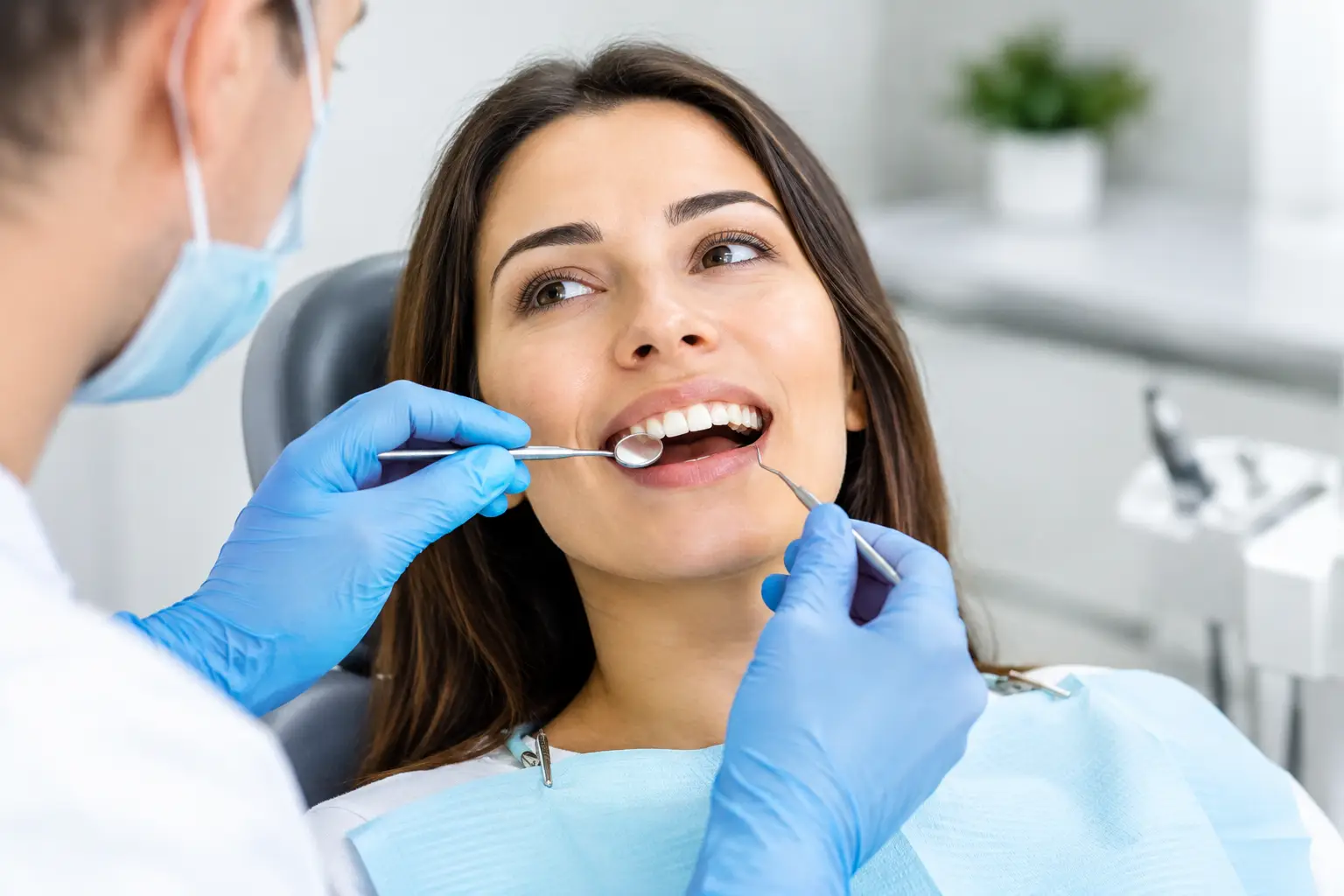
A filling can look perfectly fine in the mirror while the seal around it has begun to wear down. That is why regular checkups matter: dentists can often spot subtle changes before they become a painful crack, a larger cavity, or an unexpected dental emergency. Fillings need replacement at different times for different people, and the right decision depends on the filling material, the tooth involved, your bite, and what is happening underneath the restoration.
At Victoria Park Dental, the goal is never to replace dental work simply because it is old. A careful exam helps determine whether a filling is still protecting your tooth or whether a more durable solution would better support your long-term oral health.
How long do dental fillings last?
There is no single expiry date for a dental filling. Some fillings last for many years, while others need attention sooner because of chewing forces, teeth grinding, changes in the tooth, or new decay at the edge of the filling.
Composite resin fillings, which are tooth-coloured and commonly used in visible areas, often provide excellent results for many years. Amalgam fillings can also be long-lasting, particularly in back teeth. However, every material has limits. Repeated pressure from chewing can gradually wear a filling down, and the natural tooth around it can change over time.
A filling may need replacement because it has cracked, chipped, worn flat, pulled away from the tooth, or developed leakage around its edges. It may also be intact but no longer the best option if a larger portion of the tooth has weakened. In that situation, a stronger restoration such as an onlay or crown may be recommended instead.
Signs fillings need replacement
You may not feel anything when a filling begins to fail. Early problems are often found during routine examinations and X-rays, which can reveal decay between teeth or beneath a restoration where it cannot be seen directly.
Still, there are symptoms worth paying attention to. Sensitivity to cold, heat, sweets, or pressure can sometimes mean that a filling no longer has a tight seal. A sharp pain when biting may point to a crack in the filling or tooth. Food repeatedly catching in one area, a rough edge you can feel with your tongue, or a noticeable change in how your teeth come together can also be signs that something has shifted.
Discolouration around a filling does not always mean there is a problem. Tooth-coloured composite can stain over time, especially with coffee, tea, red wine, or tobacco. But a dark line, widening gap, or shadow around the edge should be assessed. It could be surface staining, or it could indicate recurrent decay – new decay developing around or underneath an existing filling.
If a filling falls out, breaks, or leaves a sharp edge, arrange a dental visit promptly. Avoid chewing on that side if possible. The tooth may be more vulnerable to sensitivity, further breakage, and bacteria entering the exposed area.
Why replacing a worn filling early can protect your tooth
A filling is designed to restore a tooth after decay or minor damage has been removed. It does not make the tooth immune to future decay. When the seal at the edge breaks down, bacteria can enter the narrow space between the filling and tooth structure. This process can progress quietly.
Replacing a failing filling while the problem is small is often a more conservative treatment. Once decay extends deeper or a tooth fractures, more of the natural tooth may need to be removed to restore it safely. In more advanced cases, treatment can involve a larger restoration, root canal treatment, or a crown.
This is not meant to cause alarm. Many fillings remain healthy for a long time, and not every small stain or sensation means urgent treatment is required. The value of consistent preventive care is that changes can be monitored and addressed at the right time, with a plan personalized to your needs.
What happens during filling replacement?
For most patients, replacing a filling is a familiar and straightforward appointment. Your dentist will first examine the tooth and may take an X-ray to understand the condition of the tooth beneath and around the restoration. This helps ensure the treatment recommendation is based on the full picture, not appearance alone.
The area is gently numbed when needed, and the old filling and any decay are carefully removed. The tooth is then cleaned, prepared, and restored with a material chosen for its location and function. Composite resin can be colour-matched to blend naturally with your smile. For teeth that have lost more structure, a custom ceramic restoration may provide added strength and coverage.
Modern options can make treatment more convenient in the right circumstances. CEREC same-day restorations, for example, may allow certain ceramic restorations to be designed and placed in one visit. Whether this is appropriate depends on the size and location of the restoration, your bite, and the health of the remaining tooth.
After your appointment, mild sensitivity for a short period can be normal, particularly if the original filling was deep. Contact your dental team if sensitivity becomes severe, lasts longer than expected, or if your bite feels uneven. A small adjustment can often improve comfort quickly.
Choosing the right replacement material
The best material is not always the same for every tooth. A small filling near the front of the mouth may call for a natural-looking composite that blends with surrounding enamel. A heavily used back tooth may need a material that can handle greater chewing pressure.
Your dentist will consider how much healthy tooth remains, whether you clench or grind, the size of the existing filling, and your aesthetic preferences. Cost and appointment time can also be practical considerations. A direct composite filling is often completed in one visit and can be a conservative option for smaller areas. A ceramic inlay, onlay, or crown can be more suitable when a tooth needs broader protection, although it may involve a different preparation and investment.
The most appropriate choice is the one that restores comfort and function while preserving as much healthy tooth structure as possible.
Can you make fillings last longer?
Good home care does not eliminate the need for future dental work, but it can make a meaningful difference. Brush twice daily with fluoride toothpaste, clean between your teeth every day, and keep regular hygiene and examination visits. These habits help protect the vulnerable margins where fillings meet natural enamel.
If you grind your teeth, a custom night guard may help reduce the pressure that contributes to cracked fillings and worn teeth. Limiting frequent sugary snacks and acidic drinks also helps lower the risk of decay around existing restorations. It is the frequency of sugar exposure, not only the amount, that gives harmful bacteria repeated opportunities to produce acid.
It is also wise to avoid using teeth as tools for opening packages or biting hard objects. Even a strong filling can chip under the wrong kind of force.
When should you book an appointment?
Book a checkup if you notice sensitivity, pain while chewing, a broken or missing filling, rough edges, food trapping, or a visible change around a restoration. If you have no symptoms, routine examinations remain the best way to identify concerns early.
A filling does not need to be replaced just because it has been in place for a certain number of years. It needs attention when an examination shows that it is no longer doing its job well. A timely, thoughtful assessment can help keep treatment comfortable, conservative, and focused on the healthy smile you want to keep for life.