
A small camera, a digital scan, or a carefully planned same-day restoration may not sound life-changing. Yet the right dental technology can make a meaningful difference in how a dental visit feels, how clearly we can understand your oral health, and how confidently we can plan for the years ahead.
For patients and families, the value is rarely about the equipment itself. It is about fewer unknowns, more comfortable appointments, clear explanations, and care that is tailored to what your smile needs now. Technology is most helpful when it supports a thoughtful, preventive approach rather than replacing the personal relationship at the centre of good dentistry.
What Modern Dental Technology Can Do for You
Modern tools help dentists see more detail, plan treatment with greater precision, and often reduce the number of visits needed for certain procedures. They can also make it easier for patients to understand what is happening in their mouths. Seeing an image or scan on a screen can turn a vague concern into a clear conversation about options.
That matters because dental care is not one-size-fits-all. Two people may have a similar-looking cavity, worn tooth, or cosmetic concern, but their priorities can be very different. One person may need a durable solution before travelling. Another may prefer the most conservative option possible. A parent may be focused on making a child’s first experiences feel calm and positive.
Technology gives the dental team better information. Personalized care gives that information meaning.
Digital Imaging: A Clearer Look at Oral Health
Dental X-rays remain an important part of preventive care because many concerns develop where the eye cannot see them. Digital X-rays can help identify changes between teeth, beneath existing restorations, or around the roots of teeth. Finding a concern early may allow for simpler treatment and help protect more of the healthy tooth structure.
Digital imaging is designed to use lower radiation levels than traditional film systems while producing images that can be reviewed promptly. The exact type and frequency of X-rays should always depend on your age, oral health history, current symptoms, and risk of decay or gum disease. A patient with a history of frequent cavities may need imaging on a different schedule than someone with consistently stable oral health.
The benefit is not taking images simply because the technology is available. It is using the right diagnostic tool at the right time, then discussing what the findings mean in plain language.
Intraoral Cameras Help You See What We See
An intraoral camera is a small camera that takes close-up images inside the mouth. It can be useful for showing a worn filling, a cracked tooth, plaque buildup, gum inflammation, or another area that deserves attention.
For many patients, this makes a recommendation easier to understand. Rather than being told that a tooth has a fracture or that a filling is breaking down, you may be able to see the area yourself. That clarity supports informed decisions and helps make routine checkups more collaborative.
Digital Scans Can Make Impressions More Comfortable
Traditional dental impressions have helped create crowns, retainers, bridges, and other appliances for many years. They remain appropriate in some situations, but the putty-filled trays can be uncomfortable for patients with a sensitive gag reflex or dental anxiety.
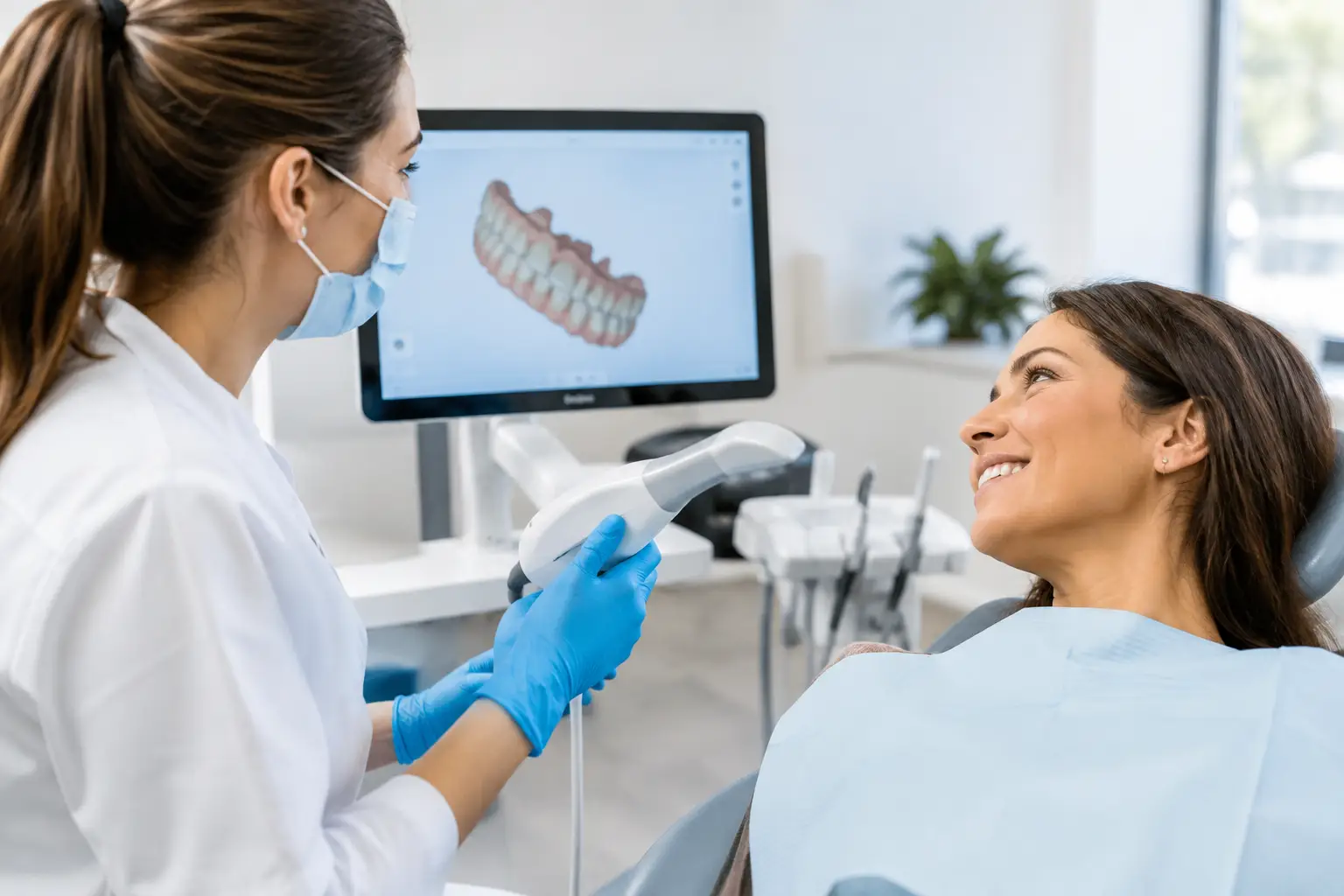
Digital scanners create a detailed 3D image of the teeth and gums using a small handheld wand. The scan is typically more comfortable, and the digital model can be used to plan treatment with a high level of detail. It may be used for restorative work, Invisalign treatment planning, night guards, and other custom dental appliances.
A digital scan does not make every treatment instant, nor does it remove the need for skilled clinical judgment. What it can do is improve communication, reduce the chance of an inaccurate impression, and give patients a more comfortable experience during an important step of treatment.
CEREC Same-Day Restorations: Convenience With Careful Planning
A damaged tooth does not always follow a convenient schedule. When a crown or restoration is recommended, many patients appreciate being able to complete treatment in one visit where appropriate. CEREC technology allows a dentist to design, create, and place certain ceramic restorations in the clinic on the same day.
After the tooth is prepared, a digital scan is used to create a precise design. The restoration is milled from a ceramic block, then checked, adjusted, and bonded into place. This can eliminate the need for a temporary crown and a return appointment in many cases.
Same-day care is especially helpful for busy families, working professionals, and anyone who would rather avoid managing a temporary restoration. It is not automatically the best choice for every tooth or every treatment plan, however. The location of the tooth, bite forces, the amount of remaining healthy structure, aesthetic goals, and the complexity of the case all matter. Your dentist should recommend the approach that best supports long-term function and appearance, not simply the fastest option.
Dental Technology and a More Comfortable Visit
Comfort means different things to different people. For one patient, it may mean a shorter appointment. For another, it may mean having each step explained before treatment begins. For someone who has avoided dental care because of anxiety, comfort may begin with knowing there will be no pressure or surprises.
Technology can support comfort in practical ways. Digital planning can reduce guesswork. Intraoral cameras can improve communication. More precise scanning can make certain procedures feel easier. Modern materials and equipment can also help dentists work conservatively, preserving healthy tooth structure whenever possible.
Still, no piece of equipment can replace a team that listens. The most reassuring appointment is one where you feel comfortable asking questions, understand your choices, and know why a treatment is being recommended. At Victoria Park Dental, advanced tools are used to support gentle, personalized care, not to make your visit feel rushed or impersonal.
How Technology Supports Prevention, Not Just Treatment
It is easy to associate dental technology with crowns, cosmetic improvements, or repairs after a problem develops. Its everyday value is often preventive. Clear imaging, detailed examinations, and accurate monitoring can help identify small changes before they become painful, complicated, or costly.
For example, early signs of tooth wear may prompt a conversation about clenching, grinding, or bite changes. A small area of decay may be monitored or treated conservatively before it reaches the nerve of the tooth. Changes in gum health can lead to a more focused hygiene routine and regular maintenance visits.
Prevention is not about pursuing treatment at every minor finding. In some cases, the best plan is to watch an area closely, improve home care, and reassess at a future appointment. Good dental care balances timely action with a conservative approach that respects your needs and protects healthy teeth.
Technology Is Most Valuable When It Is Personal
The newest tool is not necessarily the right tool for every situation. A high-quality dental experience combines modern diagnostics and treatment options with clinical experience, careful listening, and a plan that suits the person in the chair.
When considering a recommended treatment, it can be helpful to ask what the technology helps your dentist assess or achieve, whether there are alternatives, how long the result is expected to last, and what ongoing care it will require. These are reasonable questions, and clear answers are part of feeling confident about your care.
Your smile changes throughout life, as do your needs. The right dental technology helps make those changes easier to understand, while a trusted dental team helps you make choices that feel right for your health, comfort, and future.