
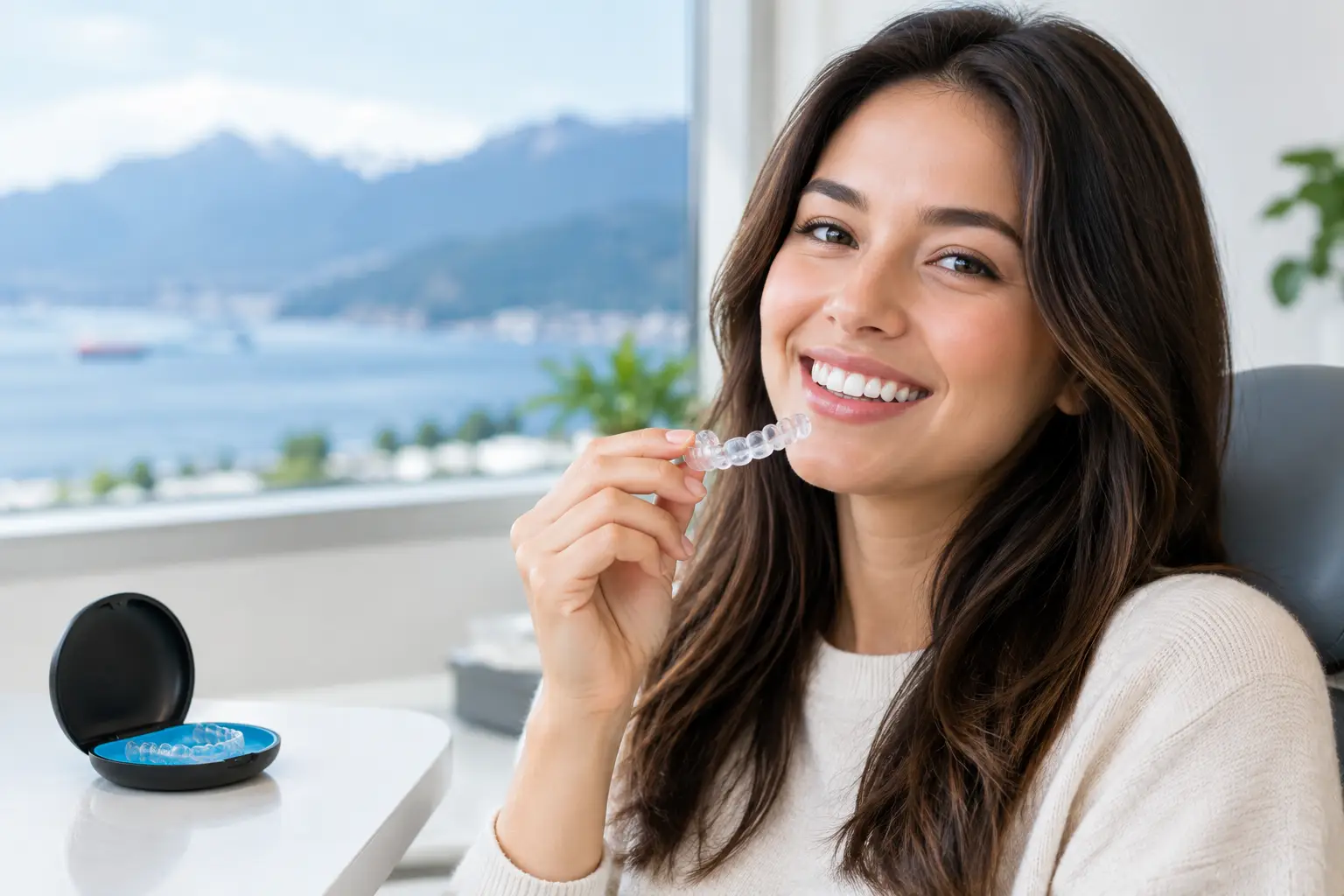
A confident smile can feel like a small change with a large effect – especially when crooked, crowded, or spaced teeth have made you self-conscious in photos or conversations. This Invisalign treatment review looks beyond the appeal of clear aligners to explain what treatment can realistically involve, who may benefit, and what to consider before getting started.
For many adults and teens, Invisalign can be an appealing alternative to traditional braces. The aligners are clear, removable, and designed around your individual teeth. But the best results do not come from the aligners alone. They come from a careful diagnosis, a treatment plan that suits your bite and oral health, and consistent wear throughout the process.
What an Invisalign treatment review should cover
A helpful review of Invisalign begins with the question that matters most: is clear aligner treatment appropriate for your smile? Invisalign can often address mild to moderate crowding, gaps, certain bite concerns, and teeth that have shifted after previous orthodontic treatment. It may also be used as part of a broader cosmetic or restorative plan when tooth position needs to be improved before veneers, crowns, or other dental work.
That said, Invisalign is not automatically the right answer for every orthodontic concern. More complex bite discrepancies, significant tooth movement, certain jaw relationships, or oral health concerns may require a different approach. A complete dental examination is essential before beginning any orthodontic treatment. Healthy gums, stable supporting bone, and well-managed cavities are the foundation for moving teeth safely.
An experienced dental team will assess more than what is visible when you smile. They will look at your bite, gum health, tooth wear, existing dental restorations, and your long-term goals. This is one reason professional monitoring matters. Straight teeth are valuable, but a comfortable, functional bite and healthy tissues matter just as much.
What treatment is actually like
Your consultation and digital plan
The process usually starts with a conversation about what you would like to change and what is clinically possible. Digital scans replace many of the traditional impressions that patients find uncomfortable. These scans help create a detailed model of your teeth and support a customized plan for each stage of movement.
You may be shown a projected outcome before treatment begins. This can be motivating, but it should be understood as a treatment planning tool rather than a guarantee that every detail will happen without adjustment. Teeth do not always respond in precisely the same way, which is why follow-up visits and refinements can be part of the process.
At Victoria Park Dental, treatment planning is approached with the same focus on personalized, long-term care as other dental services. The aim is not simply to make teeth look straighter, but to help create a healthy result that fits comfortably within your overall dental care.
Wearing aligners every day
Clear aligners are generally worn for about 20 to 22 hours each day. They are removed for meals and for brushing and flossing. This flexibility is one of Invisalign’s most appreciated features, particularly for people who want to continue enjoying a varied diet without navigating brackets and wires.
That flexibility also requires responsibility. Aligners left out for long stretches can slow progress and affect the fit of the next set. A simple routine helps: remove them before eating, rinse them after taking them out, brush before putting them back in when possible, and keep their case with you. Leaving aligners in a napkin is an easy way to lose them.
Most patients change to a new set of aligners on a schedule directed by their dental provider. The first day or two with a new aligner can bring pressure or tenderness. This sensation is usually manageable and is often a sign that the aligner is applying gentle force as planned. Sharp pain, a broken aligner, or an aligner that no longer fits properly should be brought to your dental team’s attention.
Attachments and follow-up visits
Some Invisalign plans use small, tooth-coloured attachments. These are bonded to selected teeth and give aligners a better grip for more precise movement. They are subtle, but you may notice a slight texture on your teeth when the aligners are out.
Regular check-ins allow your provider to confirm that teeth are tracking as expected, answer questions, and make changes when needed. This oversight is particularly valuable if you have crowns, bridges, gum concerns, or a history of dental sensitivity. It also helps catch small issues before they become delays.
The benefits patients notice most
The cosmetic benefit is often the reason people first ask about Invisalign, but it is rarely the only one. Teeth that are less crowded can be easier to brush and floss thoroughly. Improving alignment may also help distribute biting forces more evenly, depending on the starting condition and treatment goals.
Comfort and convenience are meaningful advantages. There are no metal brackets, and the smooth plastic aligners generally cause less irritation to cheeks and lips than fixed appliances. Being able to remove aligners for a presentation, family photo, or special meal can also make treatment feel easier to incorporate into everyday life.
Still, removable treatment is not necessarily simpler for everyone. Someone with an unpredictable routine, frequent snacking, or difficulty remembering daily habits may find fixed braces more reliable. The best option is the one you can follow consistently while protecting your oral health.
What can affect your results
Invisalign treatment depends on partnership. Your dental provider plans and supervises the treatment, while you wear the aligners as instructed and care for your teeth and gums at home. Skipping aligner wear, drinking sugary or strongly coloured beverages while wearing them, or neglecting brushing can affect both treatment progress and dental health.
Oral hygiene deserves extra attention during treatment. Plaque and food particles can be held against the teeth if aligners are placed over unbrushed teeth. Brush twice daily with fluoride toothpaste, floss carefully once a day, and clean the aligners according to your provider’s instructions. Avoid using hot water, which can distort the plastic.
Retainers are another important part of the conversation. Teeth naturally have a tendency to shift over time, including after orthodontic treatment. Once your Invisalign treatment is complete, wearing retainers as recommended helps protect the result you worked for.
Cost, timing, and value
The cost of Invisalign varies because every plan is different. The extent of tooth movement, number of aligners, expected treatment time, need for attachments or refinements, and any supporting dental care can all influence the overall fee. A clear estimate should explain what is included and whether payment options are available.
Treatment time also varies. Some limited cosmetic cases may be completed in months, while more involved plans can take longer. It is reasonable to ask what timeline is anticipated, but it is wise to leave room for the fact that treatment may need adjustments along the way. Choosing a plan based only on the shortest projected timeline can overlook the importance of a stable, healthy result.
Value is not just about a straighter smile at the end. It includes the quality of the assessment, access to a team that knows your dental history, regular monitoring, and guidance for protecting your results after treatment. For patients who value continuity of care, these details can make the experience feel more reassuring.
Questions worth asking at your consultation
Before committing to Invisalign, ask what concerns the treatment is intended to correct and whether there are alternatives that may better suit your bite. Ask how often you will be reviewed, what happens if teeth do not track as expected, and whether refinements are anticipated. If you have existing crowns, implants, gum disease, jaw discomfort, or frequent teeth grinding, bring these up early.
You may also want to discuss how treatment will fit into your work, school, sports, travel, and family routines. Clear aligners can be very convenient, but a realistic plan is easier to maintain than an idealized one. The right provider will welcome these questions and explain recommendations in clear, patient-friendly language.
A smile change should never feel rushed. Give yourself space to understand your options, consider the daily commitment, and choose care that supports both the appearance of your teeth and their health for years to come.