
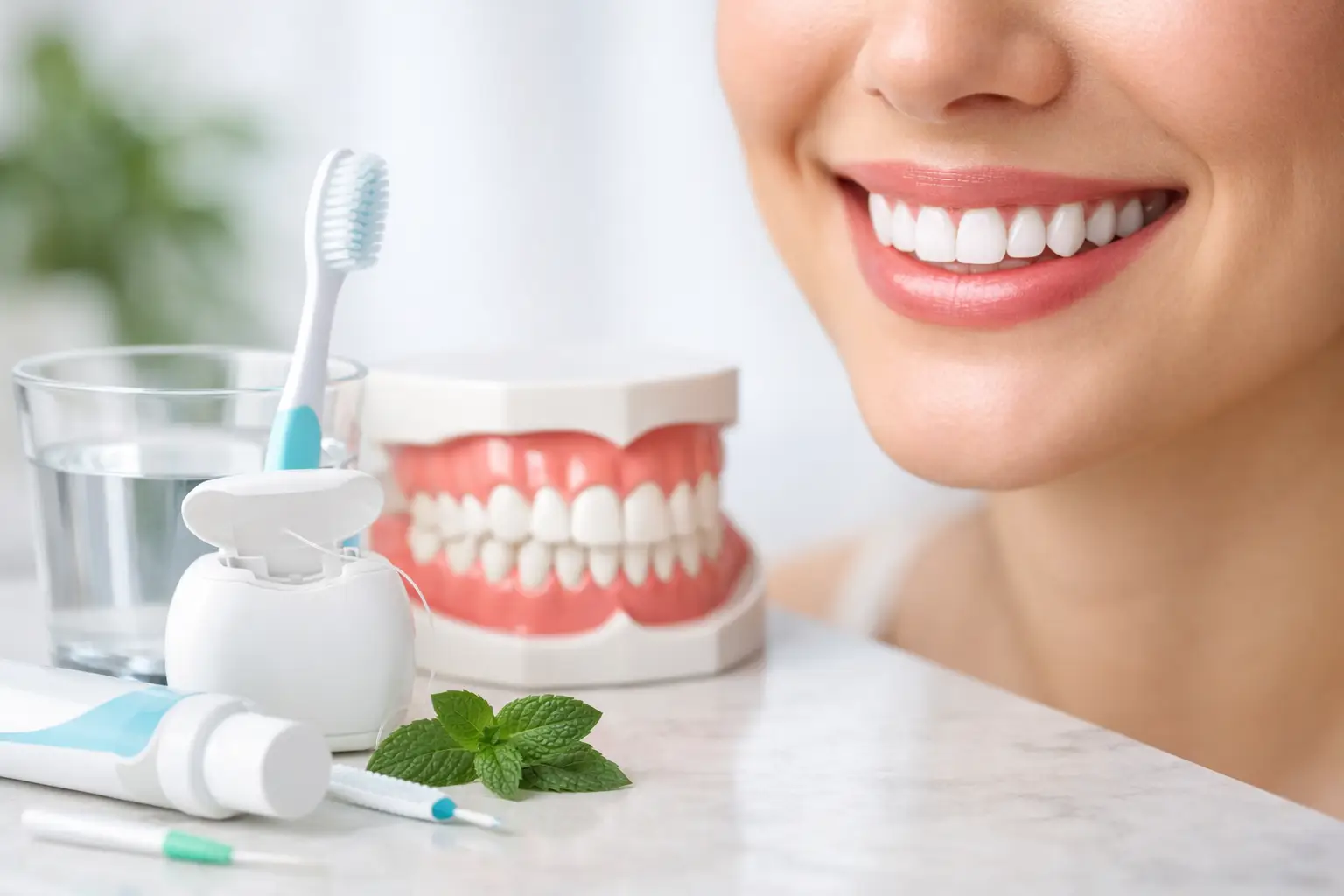
Gums do a quiet but essential job: they form the protective seal around your teeth. When that seal becomes irritated, early gum disease can begin with signs that are easy to dismiss, such as bleeding while brushing or persistent bad breath. The best habits for healthy gums are not complicated or harsh. They are consistent, gentle routines that remove plaque every day and make room for professional care when you need it.
Why gum health deserves daily attention
Plaque is a soft, sticky film of bacteria that forms on teeth throughout the day. If it remains near the gumline, it can trigger inflammation. Gums may look red or puffy, feel tender, or bleed during brushing and flossing. This early stage, called gingivitis, can often be improved with thorough home care and regular dental hygiene visits.
When inflammation continues untreated, it can progress below the gumline and affect the bone that supports the teeth. That is why gum care is about more than keeping your smile looking clean. Healthy gums support comfortable chewing, fresher breath, stable teeth, and long-term oral health.
Best habits for healthy gums at home
Brush gently, twice a day
Brushing twice daily with a soft-bristled toothbrush and fluoride toothpaste is the foundation of gum care. The technique matters as much as the timing. Hold the brush at a slight angle toward the gumline and use small, gentle movements. Aggressive scrubbing does not clean better. It can irritate gum tissue and contribute to recession over time.
Aim for two full minutes, including the outer, inner, and chewing surfaces of every tooth. An electric toothbrush can be a helpful option, particularly one with a pressure sensor, but a manual brush works well when used carefully and consistently. Replace the brush head or toothbrush when the bristles begin to fray, usually about every three months.
Clean between your teeth every day
A toothbrush cannot fully reach the spaces where teeth meet. Cleaning between teeth once daily helps remove plaque from areas that are especially close to the gums. For many people, floss is a practical choice. Guide it gently between the teeth, curve it around one tooth in a C shape, and move it up and down before cleaning the adjacent tooth surface.
Interdental brushes, soft picks, or a water flosser may be more comfortable or effective in certain situations. People with larger spaces between teeth, braces, bridges, implants, or reduced hand dexterity may find these tools easier to use. The best tool is the one that fits your mouth and becomes part of your routine. A dentist or dental hygienist can recommend the right size and technique.
If your gums bleed when you begin flossing, do not stop automatically. Bleeding often reflects inflammation from plaque already present along the gumline. Gentle, daily cleaning usually helps improve it within a week or two. Bleeding that persists deserves a dental assessment.
Give your gums a consistent routine
Plaque starts forming again soon after it is removed, so occasional extra-long brushing sessions cannot make up for skipped days. Choose a routine that works with your household. Some families find that brushing together before bed helps children build the habit. Adults may benefit from keeping floss where it is easy to see, such as beside their toothbrush or on a bedside table.
Night-time cleaning is particularly worthwhile because saliva flow naturally decreases during sleep. After brushing before bed, try to avoid snacks and sweet drinks. Water is the better choice if you are thirsty.
Make food and drink choices that support your mouth
Sugary foods and drinks do not cause gum disease on their own, but frequent exposure feeds bacteria in plaque and can increase the risk of tooth decay alongside gum inflammation. The frequency of sipping and snacking matters. A sweetened coffee enjoyed slowly over several hours keeps teeth exposed far longer than having it with a meal.
Choose water regularly, particularly between meals. Build meals around fibre-rich vegetables, fruit, whole grains, and protein sources that suit your diet. Crunchy foods are not a substitute for brushing or flossing, but a balanced diet supports overall health and tends to reduce constant grazing on sugary, sticky snacks.
Pay attention to dry mouth
Saliva helps rinse away food particles and buffer acids. Dry mouth can make plaque harder to manage and may increase the risk of cavities, gum irritation, and bad breath. It can be related to medications, mouth breathing, dehydration, certain health conditions, or cannabis and tobacco use.
Sipping water through the day, chewing sugar-free gum when appropriate, and limiting alcohol-containing mouth rinses may provide relief. If dry mouth is frequent, wake you at night, or makes eating uncomfortable, raise it at your dental visit. Your care plan may need to account for it.
Avoid tobacco and be cautious with nicotine products
Smoking and other tobacco use raise the risk of gum disease and can make healing after dental treatment more difficult. Nicotine may also mask one early warning sign: gums may not bleed as readily even when disease is present. Vaping is not harmless for oral tissues either, especially when it contributes to dry mouth or exposes the mouth to nicotine.
Quitting can be difficult, and support matters. A conversation with your health-care provider can help you identify a realistic next step. Your dental team can also explain how nicotine use may affect your gums and any planned treatment.
Professional care catches what a mirror cannot
Even excellent daily habits cannot remove hardened tartar once it has formed. Regular checkups and hygiene appointments allow your dental team to remove buildup, measure gum health, and look for changes around individual teeth. The right recall schedule depends on your needs. Someone with healthy gums may need different timing than someone with a history of gum disease, diabetes, dry mouth, pregnancy-related gum changes, or complex restorations.
Professional visits are also a chance to refine your routine. A small change in flossing technique, toothbrush choice, or cleaning aid can make a meaningful difference. Personalized advice is more useful than a one-size-fits-all routine, especially if your gums are receding, your teeth are crowded, or you have implants, crowns, or bridges.
Do not ignore these changes
Gum problems are often painless at first. Make an appointment rather than waiting for discomfort if you notice any of the following:
- Bleeding that continues after one to two weeks of gentle daily brushing and interdental cleaning
- Swollen, tender, red, or receding gums
- Ongoing bad breath or an unpleasant taste that does not improve with cleaning
- Loose teeth, new gaps between teeth, pain while chewing, or pus near the gums
A sudden sore, lump, or patch in the mouth that does not heal within two weeks should also be assessed promptly. Early evaluation can make treatment simpler and help protect the tissues that support your teeth.
Healthy gums look different from person to person
Not every gumline looks perfectly even, and not every person responds to plaque in the same way. Genetics, medications, hormonal changes, medical history, stress, and the shape of your teeth can all influence gum health. Pregnancy, for example, can make gums more reactive to plaque. Diabetes can affect healing and the body’s response to infection. This does not mean gum disease is inevitable. It means your preventive plan may need to be more tailored.
Cosmetic concerns can also overlap with health concerns. If you are bothered by a gummy smile, gum recession, or dark areas near the gumline, start with an assessment rather than choosing a product or procedure on your own. The safest options depend on the health and thickness of the gum tissue, the position of the teeth, and the cause of the concern.
At Victoria Park Dental, we believe the most effective preventive care is personal: practical habits you can maintain, clear explanations, and regular support from a team that knows your smile. If your gums have been bleeding, feeling tender, or simply have not been checked in a while, a gentle visit can provide clarity and a plan that feels manageable. Small daily care choices can protect your smile for years to come.