
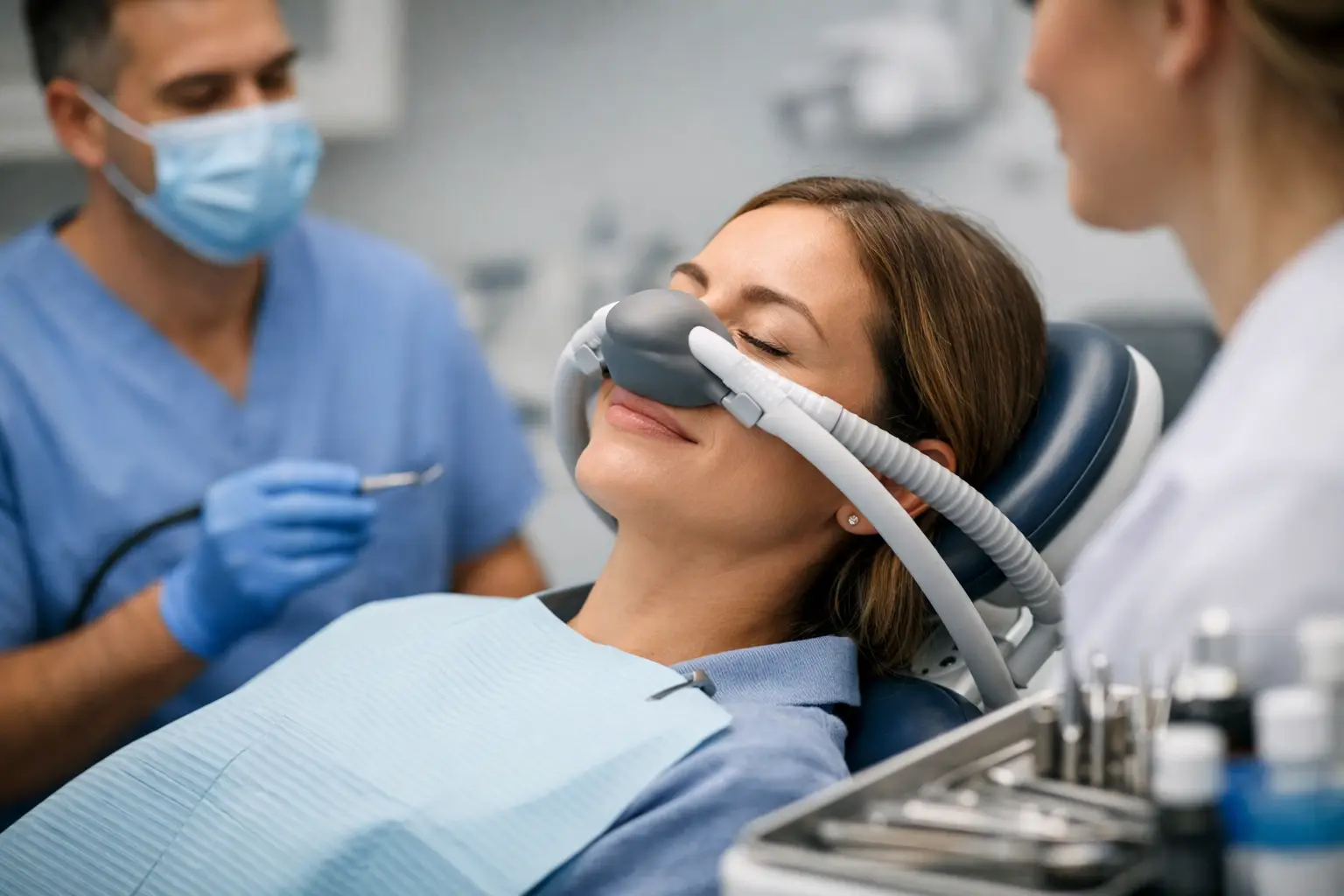
A dental appointment can feel overwhelming long before you sit in the chair. For some people, the sound of instruments, a strong gag reflex, a difficult past experience, or simply not knowing what will happen can trigger real anxiety. Sedation dentistry for anxiety can help make care feel more manageable, so you can receive the preventive or restorative treatment your smile needs without feeling pushed beyond your comfort level.
Feeling nervous about dentistry is more common than many patients realize. It is not a personal failing, and it should never be a reason to postpone care. A caring dental team will take your concerns seriously, explain your choices clearly, and create a plan that respects both your health and your pace.
When dental anxiety starts affecting your oral health
Dental anxiety can look different from person to person. You may feel tense for days before an appointment, have trouble sleeping the night before, or cancel visits even when you know something is wrong. Others find that they can manage a routine cleaning but feel distressed about fillings, root canal treatment, extractions, or longer restorative appointments.
Avoiding appointments may bring short-term relief, but small concerns can become more complex over time. A cavity that could have been treated with a simple filling may become painful. Gum inflammation may progress before it causes obvious symptoms. Regular care gives your dentist the chance to identify changes early, when treatment is often more conservative and comfortable.
The goal is not to make you “get through” an appointment by ignoring how you feel. The goal is to help you feel informed, supported, and in control while protecting your long-term oral health.
What sedation dentistry for anxiety involves
Sedation uses medication to reduce fear, tension, and physical discomfort during dental treatment. It is different from freezing, or local anesthetic, which blocks pain in a specific area. Even when sedation is used, local anesthetic is usually still needed for procedures that would otherwise cause discomfort.
There is no single approach that suits every patient. Your dentist will consider your level of anxiety, your health history, the treatment being planned, medications you take, and how long the appointment is expected to be. The right option should support safe, effective care while allowing you to feel as comfortable as possible.
Nitrous oxide
Nitrous oxide, sometimes called laughing gas, is breathed through a small mask placed over the nose. It can create a calm, light feeling while allowing you to remain awake and able to respond to the dental team. Its effects generally wear off quickly once the mask is removed, although your dentist will still provide instructions based on your individual visit.
This may be a good fit for someone with mild to moderate anxiety, a sensitive gag reflex, or nervousness around a particular procedure. It may not be enough for every patient, especially when anxiety is severe or treatment is extensive.
Oral sedation
Oral sedation involves taking a prescribed medication before your appointment. It can produce a deeper sense of relaxation than nitrous oxide, and some patients remember little of the procedure afterwards. You remain conscious, but you may feel drowsy and less focused on the sights, sounds, and sensations of treatment.
Because the effects can last for several hours, patients generally need a responsible adult to bring them to the appointment and take them home. You should not drive, return to work, make important decisions, or drink alcohol until the medication has fully worn off and you have followed your dentist’s instructions.
IV sedation and deeper sedation options
For certain procedures or higher levels of anxiety, IV sedation may be considered. This type of care requires additional planning, monitoring, and appropriately trained providers. Not every dental office offers every level of sedation, so your dentist may discuss whether it is available in-office or whether a referral is the safest choice.
The best option is not necessarily the strongest one. For many patients, a lighter form of sedation combined with clear communication and a supportive environment is all that is needed.
A safety-first conversation comes before treatment
Sedation is carefully planned, not added casually to an appointment. Before recommending it, your dental team should review your medical history, allergies, current medications and supplements, prior experiences with sedation, and conditions such as sleep apnea, heart or lung disease, or pregnancy.
Be open about cannabis, alcohol, recreational drug use, and any medications you take, including those for sleep or anxiety. This information is confidential and helps your dentist prevent unsafe interactions. It may also affect whether sedation is appropriate that day.
You will receive instructions about eating and drinking before the appointment if they apply to your sedation plan. Follow them closely. Arrange transportation early, wear comfortable clothing, and leave enough time afterwards to rest. A good sedation appointment begins with preparation, not just medication.
Comfort does not depend on sedation alone
Sedation can be valuable, but it works best as part of a personalized approach. You may feel more at ease when the team explains each step before beginning, agrees on a hand signal for breaks, and checks in with you throughout treatment. Some patients prefer to know exactly what is happening; others would rather hear only what they need to know. Both preferences are valid.
Simple comfort measures can make a meaningful difference. A slower pace, a supportive neck pillow, music through headphones, and a clear plan for stopping can reduce the feeling of being trapped in the chair. For a first visit, it can also help to schedule a consultation before committing to treatment. That gives you time to meet the team, discuss your concerns, and ask questions without pressure.
At Victoria Park Dental, personalized care starts with listening. Whether you are returning to regular visits after years away or preparing for a more involved procedure, your treatment plan should be built around your needs, not a one-size-fits-all experience.
Questions worth asking before you decide
A calm conversation before treatment can replace uncertainty with practical information. Ask which sedation option is being recommended and why it suits your situation. Ask what you may feel during and after the appointment, what monitoring will be used, and whether you need someone to accompany you home.
It is also reasonable to ask about costs, insurance coverage, and alternatives. Sedation may not be covered in the same way as dental treatment itself. Knowing the financial details in advance helps you make a decision with confidence rather than surprise.
If you have had a difficult dental experience before, say so. Sharing that history helps the team avoid triggers where possible and adjust how they communicate with you. You do not need to explain every detail to deserve compassionate care, but even a brief conversation can help your dentist support you better.
Helping children and teens feel comfortable
Children can be anxious about dental care too, especially when they are young, have sensory sensitivities, or need treatment beyond a routine checkup. Their comfort plan may involve shorter visits, simple language, parent guidance, and gradual familiarization with the dental setting. Sedation for children requires especially careful assessment and is recommended only when clinically appropriate.
Parents should avoid presenting dental visits as something frightening or as a consequence for poor brushing. A calm, matter-of-fact message helps: the dental team is going to count teeth, clean them, and help keep the mouth healthy. If your child is worried, let the dental team know before the visit so there is time to plan a positive experience.
Anxiety does not have to stand between you and a healthy smile. The first step can be as simple as telling your dental team, “I am nervous, and I need a little extra support.” From there, the right combination of communication, comfort measures, and sedation options can help make your next visit feel possible.