
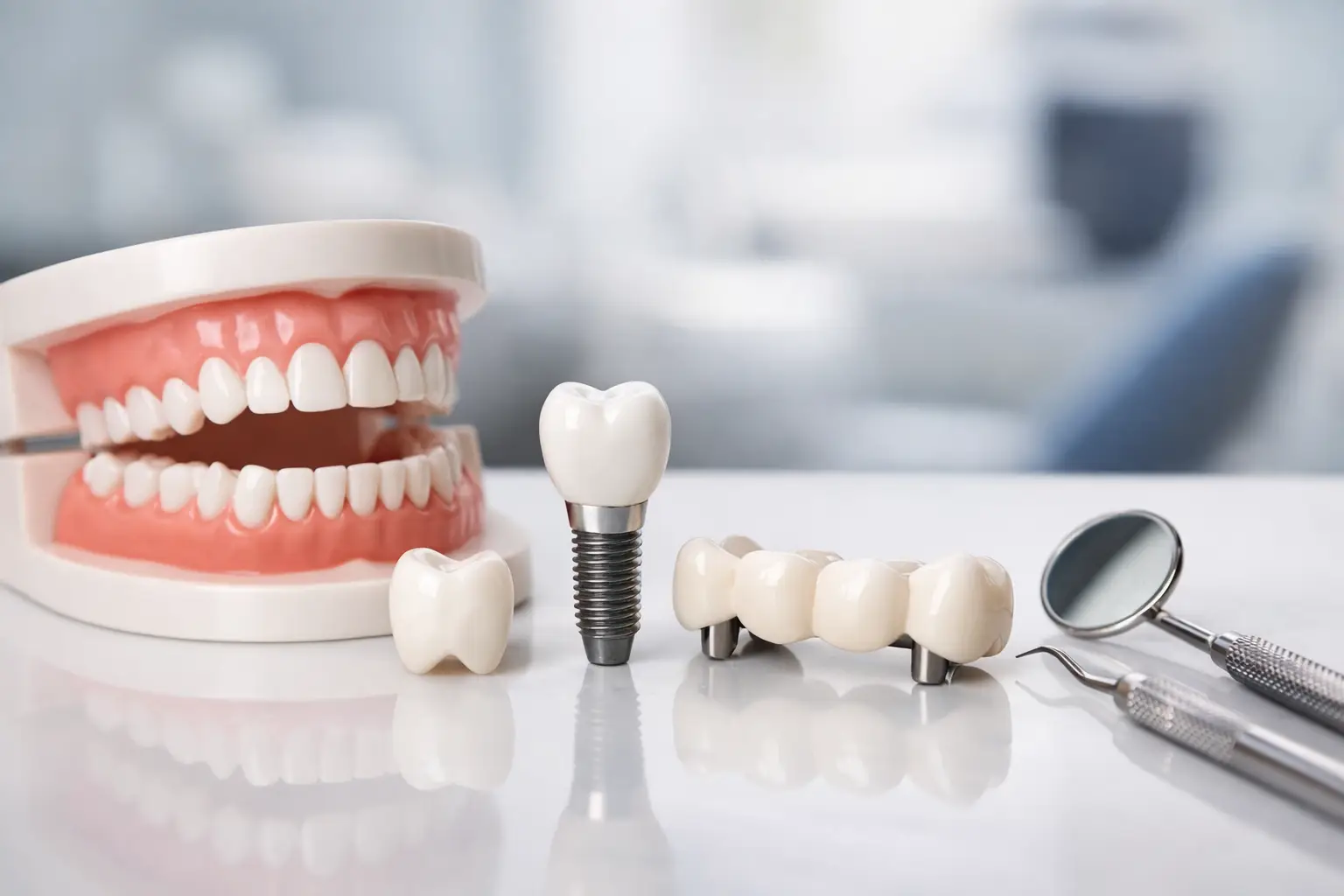
A missing tooth can change more than the look of your smile. You may notice food catching in a new spot, find yourself chewing on one side, or feel less confident speaking and smiling. This guide to replacing missing teeth explains the options available, what affects the right choice, and why a timely conversation with your dentist can protect your long-term oral health.
Whether you have lost one tooth through injury or decay, or several teeth over time, replacement is rarely a one-size-fits-all decision. The best plan should reflect your health, bone support, bite, lifestyle, comfort preferences, and goals for your smile.
Why replacing a missing tooth matters
It can be tempting to wait, especially when the missing tooth is near the back of the mouth and not visible when you smile. However, each tooth helps support the balance of your bite. When a space is left open, nearby teeth can gradually shift or tilt toward it. The opposing tooth may also move farther out of position because it no longer has a tooth to bite against.
Over time, these changes can make brushing and flossing more difficult, affect how your teeth meet, and place extra pressure on certain teeth or jaw joints. If a tooth was removed, the jawbone in that area can also lose volume because it is no longer being stimulated by a tooth root.
Replacing a tooth is not only about appearance. It can help restore comfortable chewing, support clear speech, maintain facial structure, and make it easier to care for the rest of your smile.
A guide to replacing missing teeth: your main options
Your dentist will examine the missing area, surrounding teeth, gums, bite, and bone levels before recommending treatment. Digital imaging may be used to assess what is happening below the gumline. From there, the conversation usually centres on dental implants, bridges, and removable dentures.
Dental implants
A dental implant replaces the root of a missing tooth with a small post placed in the jawbone. After the area heals and the implant integrates with the bone, a custom crown is attached to complete the tooth.
For many patients, an implant feels and functions very much like a natural tooth. It does not rely on neighbouring teeth for support, and it can help preserve bone in the area. Implants can replace a single tooth, support a bridge for several missing teeth, or help stabilize a full denture.
The trade-off is that implant treatment takes time. Healing is a necessary part of the process, and some patients may need additional treatment, such as bone grafting, before an implant can be placed. Overall health, gum health, bone quantity, smoking or vaping, and certain medical conditions can affect suitability and timing.
Dental bridges
A bridge fills a gap using an artificial tooth supported by the teeth on either side. With a conventional bridge, the supporting teeth are prepared for crowns, and the replacement tooth sits between them. In some situations, a bridge can be an excellent option when the neighbouring teeth already need crowns or when an implant is not the right fit.
A bridge is fixed in place, so it cannot be removed at home. It can restore chewing function and appearance without the surgical step required for an implant. Modern materials can create a natural-looking result that blends well with your existing smile.
Because the supporting teeth need to carry the bridge, they require careful assessment and ongoing care. Cleaning beneath the replacement tooth is especially important. Your dental team will show you how to use floss threaders, interdental brushes, or other tools to keep the area healthy.
Partial and complete dentures
A removable partial denture can replace one or more missing teeth when several spaces are present or when a fixed option is not appropriate. A complete denture replaces all teeth in an upper or lower arch. These appliances are custom-made to support function, appearance, and everyday comfort.
Dentures are often a practical choice for patients who need to replace multiple teeth, prefer a non-surgical approach, or are working within a particular treatment timeline or budget. They can also be used as a temporary solution while gums heal or while planning future restorative care.
It is normal for dentures to require an adjustment period. Your speech, chewing habits, and comfort can improve as you become accustomed to wearing them. Regular checkups remain essential because gums and bone can change over time, affecting fit. Implant-supported dentures may provide added stability for eligible patients who find a conventional denture moves during eating or speaking.
How to choose the option that fits your life
The right replacement is the one that supports your health and feels manageable for you. An implant may be an appealing long-term option for a single missing tooth, but a bridge may make more sense if adjacent teeth already need restorative treatment. A partial denture may be the most sensible starting point when multiple teeth are missing or when a patient wants to avoid surgery.
Your dentist will also consider where the tooth is located. A front tooth has high aesthetic demands, while a back tooth carries significant chewing force. The condition of your gums matters just as much as the tooth itself. Active gum disease or untreated decay should be addressed before a final restoration is placed.
Cost is another understandable consideration. Treatment fees vary based on the number of teeth being replaced, materials used, imaging, preparatory treatment, and whether surgery is involved. Rather than choosing solely on the initial cost, consider the maintenance needs, expected lifespan, and possible future treatment of each option. A clear, personalized treatment plan can help you compare choices with confidence.
What the treatment process may look like
Your first visit is about understanding the full picture. Your dentist will listen to what you have noticed, review your health history, examine your mouth, and discuss your goals. If the tooth was recently lost or extracted, timing can be particularly important. In some cases, a temporary tooth replacement can protect the space and help you feel more comfortable while your final restoration is planned.
For an implant, treatment may involve placement, healing, and then a final crown. For a bridge, the supporting teeth are prepared, impressions or digital scans are taken, and a temporary bridge may be worn until the final restoration is ready. Dentures involve detailed records, try-in appointments when appropriate, and adjustments after delivery to refine comfort and fit.
No matter which path you choose, a good result depends on thoughtful planning. At Victoria Park Dental, personalized care means explaining what each step involves and allowing time for questions before you make a decision.
Caring for your replacement teeth
Replacement teeth still need daily attention. Brush twice a day with a soft toothbrush and fluoride toothpaste, and clean between teeth every day. The exact method will differ for an implant, bridge, or denture, so ask for instructions tailored to your restoration.
Implants need healthy gums and regular professional care to remain successful. Bridges need thorough cleaning around the supporting teeth and beneath the false tooth. Dentures should be removed and cleaned as directed, handled carefully, and brought to appointments so their fit can be checked.
Regular checkups allow your dentist to monitor your bite, gums, restoration, and natural teeth. Small changes are easier to address early, before they become a larger concern.
A missing tooth does not have to limit how you eat, speak, or smile. The most helpful next step is a calm, thorough assessment of your mouth and your priorities. With the right plan and ongoing care, you can move forward with a smile that feels comfortable, healthy, and truly your own.