
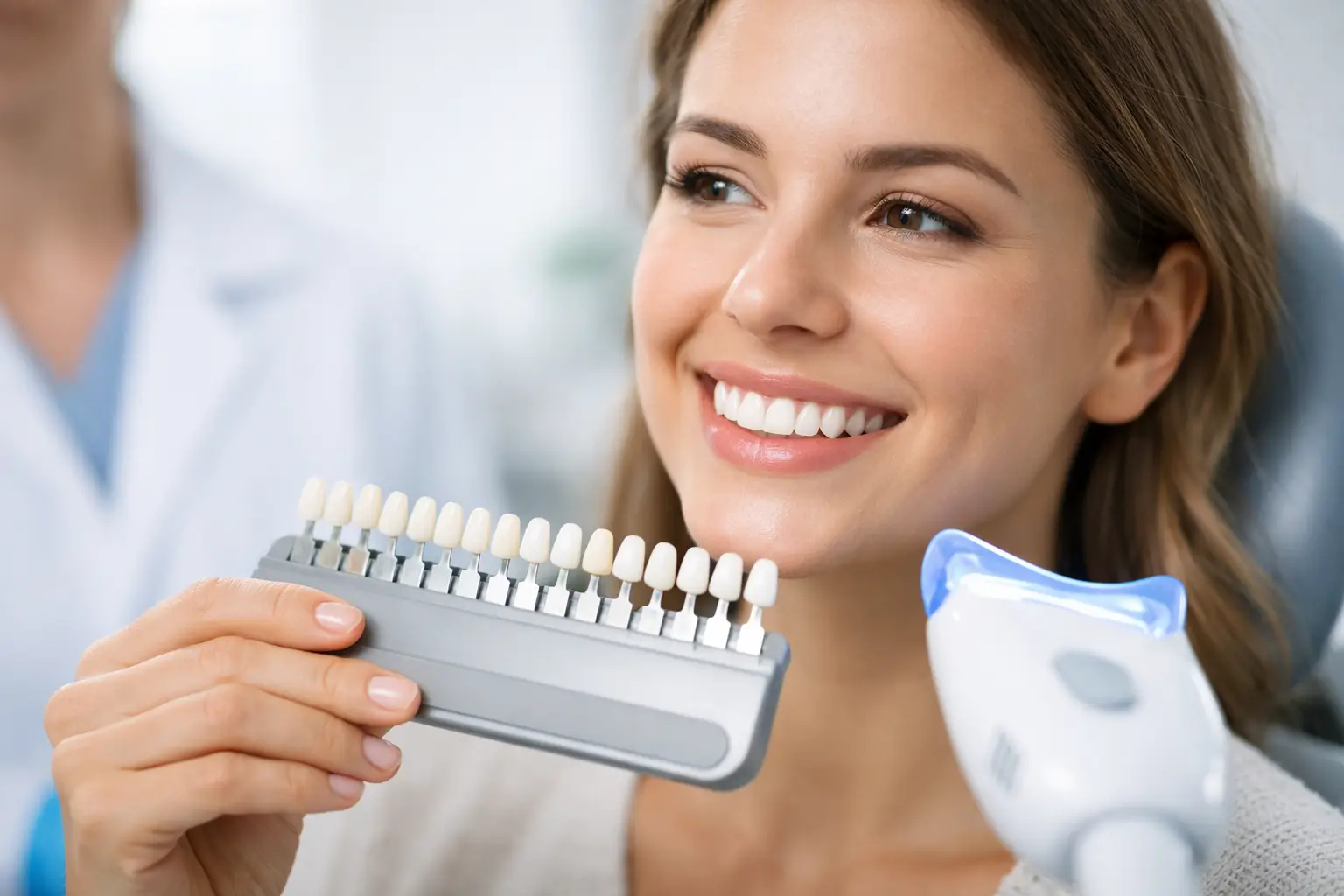
A brighter smile can make a meaningful difference in how you feel in photos, at work, and in everyday conversations. But before reaching for whitening strips or booking a cosmetic treatment, many patients ask: is teeth whitening safe? For most people, whitening can be safe when it is appropriate for their teeth, used as directed, and guided by a dental professional when needed. The details matter, especially if you have sensitive teeth, gum recession, existing dental work, or an untreated dental concern.
Is Teeth Whitening Safe When Done Properly?
Teeth whitening works by using bleaching agents, most commonly hydrogen peroxide or carbamide peroxide, to break down stain molecules within the tooth enamel. It does not remove enamel when used correctly, and professional whitening systems have been widely used in dentistry for many years.
Safety depends on the product strength, how long it is left on the teeth, the condition of your teeth and gums, and whether the treatment is being used as intended. A professionally recommended option allows your dentist to assess these factors first. It also provides a clearer plan for managing sensitivity and achieving a natural-looking result.
Whitening is a cosmetic treatment, not a substitute for preventive care. A checkup and cleaning may be the best starting point if surface stains are caused by plaque, tartar, coffee, tea, or tobacco. In some cases, a thorough cleaning brightens the smile more than a patient expects without bleaching at all.
Professional Whitening vs. Store-Bought Products
Both in-office and take-home professional whitening can be effective options for suitable candidates. Professional treatment generally uses carefully selected products and custom instructions based on your smile, your desired shade, and your oral health. Custom trays can help keep whitening gel where it belongs – on the teeth rather than against the gums.
Store-bought strips, trays, pens, and toothpastes can also improve mild staining for some people. However, they are designed for a broad audience rather than your individual mouth. A tray that does not fit well may allow gel to reach the gums, while strips may not cover uneven or crowded teeth consistently.
Whitening toothpastes deserve a separate mention. They can help remove some external surface stains through mild polishing ingredients, but they generally do not change the natural internal colour of the teeth to the same degree as peroxide-based whitening. Overusing highly abrasive products may also be unhelpful for people with worn enamel or exposed root surfaces.
Who Should Speak With a Dentist First?
A whitening consultation is especially valuable when you have tooth sensitivity, gum irritation, receding gums, cracked teeth, cavities, worn enamel, or frequent dry mouth. Bleaching gel can temporarily intensify sensitivity in teeth that are already vulnerable, and it should not be applied over untreated decay or active gum disease.
It is also wise to ask before whitening if you have crowns, veneers, bonding, fillings, implants, or bridges in visible areas. Whitening products only affect natural tooth structure. Existing restorations will not lighten, which can leave a noticeable mismatch if the surrounding teeth become brighter.
Pregnant or breastfeeding patients are usually advised to postpone elective whitening because there is limited research on these products during pregnancy and breastfeeding. Children and teens should also have an individual assessment. Young teeth can have larger pulp chambers, which may make them more prone to sensitivity.
The Most Common Side Effects of Whitening
The most common side effect is temporary tooth sensitivity. You may notice a brief sharp sensation with cold drinks, cool air, or sweet foods during treatment. This often settles after whitening is paused or completed, but it should not be ignored if it is severe or persistent.
Gum irritation is another common concern, particularly when gel touches the soft tissue or a product is worn longer than directed. This is one reason customized trays and clear instructions can be helpful. Whitening should never feel like something you need to push through despite pain.
Some people are tempted to use whitening products more often in pursuit of a very bright shade. More is not always better. Repeated, unsupervised use can increase discomfort and irritate the gums without necessarily producing a better result. A healthy, naturally bright smile is a more sustainable goal than an unnaturally uniform white shade.
If you develop significant pain, white patches or burning on the gums, swelling, or sensitivity that does not improve, stop using the product and contact your dental office. These symptoms may be related to whitening, but they can also point to an underlying issue that needs care.
How to Whiten More Comfortably
Start with an oral health assessment if you have not had a recent checkup. Your dentist can identify cavities, leaking fillings, gum inflammation, exposed roots, and other concerns that should be addressed before cosmetic whitening.
Follow the recommended application time exactly. Leaving strips or trays on longer does not reliably create a better outcome, and it can raise the chance of sensitivity. If your teeth become sensitive, your dentist may recommend shortening treatment sessions, spacing them farther apart, or using a toothpaste formulated for sensitive teeth.
During and shortly after whitening, limit deeply pigmented foods and drinks when possible. Coffee, red wine, black tea, dark berries, tomato-based sauces, and tobacco can contribute to new staining. You do not need to avoid every favourite food indefinitely, but rinsing with water after staining drinks and maintaining consistent brushing and flossing habits can help preserve your results.
Not Every Discolouration Needs Bleaching
Teeth can look darker for different reasons. Yellowing from everyday foods and drinks may respond well to whitening. A single dark tooth, however, may be related to past trauma, a root canal, or changes inside the tooth. Grey, brown, or patchy colour changes can also have causes that need a closer look.
Some stains are less responsive to bleaching, including certain developmental stains or discolouration associated with medications. For these situations, your dentist may discuss other cosmetic options, such as bonding, veneers, or a restoration designed to match the surrounding teeth. The right treatment depends on the source of the colour change, not simply how white you would like your smile to be.
A Personalized Approach Makes the Difference
At Victoria Park Dental, whitening is approached as part of your overall oral health, not as a one-size-fits-all cosmetic service. A conversation about your dental history, sensitivity, existing restorations, and expectations helps determine whether whitening is right for you and which approach makes sense.
The best result is one that looks healthy, feels comfortable, and fits naturally with your features. Whitening may be a simple and effective option, but it should always work alongside good home care, regular hygiene visits, and treatment for any underlying concerns.
Can whitening damage enamel?
When approved whitening products are used properly, they are not expected to damage healthy enamel. Problems are more likely when products are overused, applied incorrectly, or used on teeth with untreated dental issues. A dental assessment provides reassurance that whitening is suitable for your smile.
How long do whitening results last?
Results vary with your natural tooth colour, diet, oral hygiene, and habits such as smoking or vaping. Many people enjoy results for months or longer, then use occasional touch-ups as advised. Consistent dental cleanings and stain-conscious habits can help maintain a brighter shade.
Can I whiten my teeth if I have sensitive teeth?
Often, yes, but the method and pace may need to change. Lower-strength products, shorter wear times, breaks between sessions, and sensitivity management can make treatment more comfortable. If sensitivity is new, intense, or focused on one tooth, have it assessed before starting.
A brighter smile should never come at the expense of comfort or long-term dental health. Taking a little time to choose the right whitening plan can help you smile with confidence for all the right reasons.