
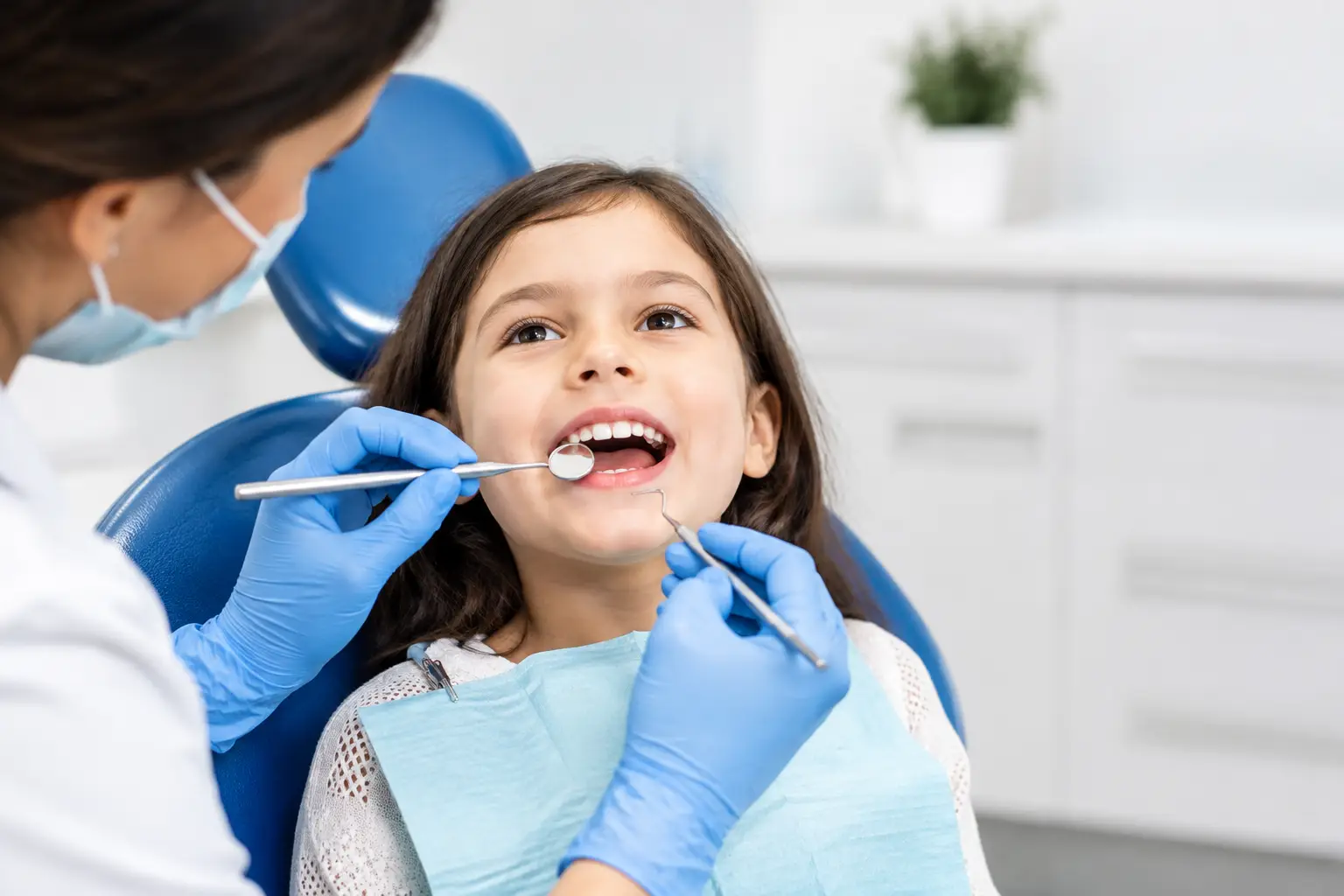
Molars are built to do a lot of work. Their broad chewing surfaces are covered in tiny grooves that help break down food, but those same grooves can hold plaque and bacteria long after brushing. For many children, and some adults, a guide to dental sealants starts with this simple idea: a thin protective coating can make the hardest-to-clean teeth easier to protect from decay.
Dental sealants are a preventive option, not a replacement for brushing, flossing, fluoride, or regular checkups. They can, however, be a practical extra layer of protection during the years when cavities often begin in the back teeth.
What are dental sealants?
A dental sealant is a thin, tooth-coloured or clear coating placed on the chewing surface of a molar or premolar. The material flows into the natural pits and fissures of the tooth, then is hardened with a curing light. Once in place, it creates a smoother barrier between the tooth and the food particles and bacteria that can collect in deep grooves.
Sealants are most commonly placed on permanent molars. These are the teeth at the very back of the mouth, where toothbrush bristles may not reach every narrow groove effectively. The first permanent molars often appear around age six, and the second set commonly arrives around age 12. Checking these teeth soon after they erupt can help a dentist decide whether sealants would be useful.
Not every groove needs to be sealed. Some teeth have shallow surfaces that are easy to keep clean, while others have deep, narrow fissures that are more prone to trapping plaque. Your dentist will look at your child’s cavity risk, brushing habits, diet, fluoride exposure, and the shape and condition of each tooth before making a recommendation.
Who can benefit from dental sealants?
Children and teens are the most common candidates because newly erupted permanent molars can be difficult to clean consistently. Younger children are still developing brushing skills, and even diligent brushers can miss the deepest creases in their back teeth. Sealants can provide reassurance during this cavity-prone stage.
Adults may benefit too, particularly if they have molars with deep grooves that have not been filled or sealed before. The decision is individual. A person with a history of cavities, dry mouth, orthodontic appliances, limited dexterity, or a higher-sugar diet may have a different preventive plan than someone with a low risk of decay.
Sealants are generally intended for teeth that do not already have a cavity or filling on the chewing surface. If a tooth has early changes that are limited to enamel, a dentist may discuss whether sealing is appropriate or whether another approach is better. If decay has progressed, the tooth may need a restoration instead. A careful exam helps avoid treating every tooth the same way.
A guide to dental sealants: what happens at the appointment
The process is quick, gentle, and usually does not require freezing or drilling. For children who feel unsure at the dentist, knowing what to expect can make the visit feel much easier.
First, the tooth is cleaned and dried. The dental team then prepares the chewing surface with a mild conditioning solution so the sealant can bond properly. After the tooth is rinsed and dried again, the liquid sealant is painted into the grooves and hardened with a blue curing light.
The dentist checks the bite and makes sure the coating has settled comfortably. Most patients can eat and drink normally right away. The whole process often takes only a few minutes per tooth, although the appointment may be longer if several teeth are being treated or if a child needs extra time to feel comfortable.
A sealant should not feel bulky or change the way teeth meet. If a child notices a persistent rough spot or an unusual bite after the appointment, call the dental office so the team can check it.
Do sealants prevent cavities completely?
Sealants reduce the chance of decay in the grooves they cover, but they do not make a tooth invincible. Cavities can still develop on the sides of teeth, between teeth, or in areas where a sealant has worn or chipped. A sealed tooth still needs daily care.
The most reliable routine combines sealants with brushing twice daily using fluoridated toothpaste, daily cleaning between teeth, balanced food and drink choices, and regular dental visits. For young children, a parent may need to help with brushing until the child has the coordination to clean thoroughly on their own.
Frequent sipping on sweet drinks, sticky snacks, or sports drinks can raise cavity risk even when sealants are present. Water between meals and snacks, along with consistent oral hygiene, supports the protection sealants provide. Prevention works best as a collection of small habits, not one single treatment.
Are dental sealants safe?
Dental sealants have been used in preventive dentistry for many years and are considered a safe option for appropriate patients. The material is applied only to the tooth surface and is hardened before the patient leaves the chair. Your dentist can explain the type of sealant being used and answer questions about its ingredients or suitability for your child.
Parents sometimes worry that a sealant could trap decay underneath it. A dentist examines and cleans the tooth before placement, and the sealant is meant to bond closely to the surface. At regular checkups, the dentist will inspect the sealant and the surrounding tooth for signs of wear or decay.
As with any dental treatment, no option is right for every situation. A tooth with a larger cavity, a restoration, or a bite pattern that causes heavy wear may need a different solution. The goal is conservative care that matches the condition of the individual tooth.
How long do dental sealants last?
Sealants can last for several years, but they are not permanent. Normal chewing, teeth grinding, and changes in the bite can gradually wear them down or cause small chips. The good news is that sealants are easy to monitor during routine examinations and can often be repaired or replaced when needed.
Parents do not need to inspect sealants at home. Instead, watch for the same concerns you would with any tooth: sensitivity, pain when chewing, a visible change, or food consistently getting caught in one area. Contact your dentist if something seems different rather than waiting for the next scheduled visit.
Regular hygiene appointments are especially valuable because they allow the dental team to assess sealants before a small issue becomes a larger one. This ongoing attention is one of the reasons preventive dentistry can be so effective over time.
Common questions from parents
Will my child need freezing?
Most sealants are placed without local anesthetic because the tooth is not drilled. The experience is usually straightforward, though younger children may benefit from calm explanations and a few breaks during the visit.
Can baby teeth be sealed?
Sometimes. If a baby molar has deep grooves and a child has a higher risk of decay, sealants may be considered. Permanent molars are more commonly sealed, but your dentist can assess both baby and adult teeth.
Does dental coverage include sealants?
Coverage varies by plan, age, tooth type, and insurance provider. Some plans offer coverage for children’s permanent molars but may have limits. It is helpful to ask your dental office to review your available benefits before treatment so you understand any out-of-pocket cost.
Can a child eat after sealants?
Yes. Because the sealant is hardened during the appointment, there is typically no waiting period before eating. Choosing tooth-friendly snacks and drinks remains part of protecting the newly sealed teeth.
For North Vancouver families, sealants can be a simple, comfortable step toward protecting vulnerable back teeth when they first come in. At Victoria Park Dental, a preventive recommendation should always begin with a close look at your child’s smile, habits, and comfort level – then a clear conversation about what will support healthy teeth for years to come.