
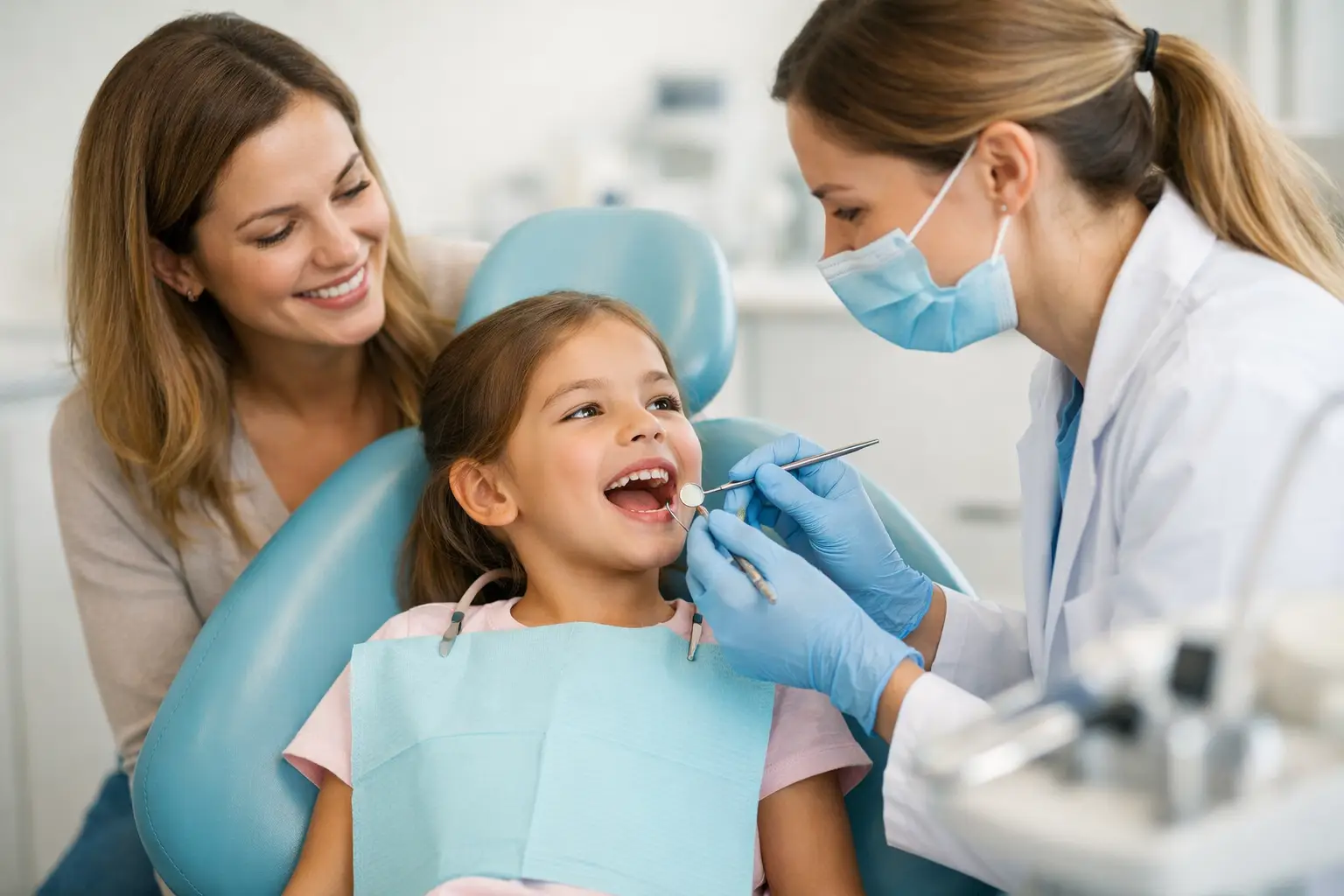
A child’s dental appointment is about far more than checking for cavities. It is a chance to make the dental office feel familiar, monitor how a growing smile is developing, and give parents practical guidance before small concerns become bigger ones. This guide to pediatric dental exams explains what families can expect, how to help children feel comfortable, and why regular visits support healthy smiles for life.
When Should Your Child Have Their First Dental Exam?
A child should generally see a dentist within six months of their first tooth appearing, or by their first birthday. That may seem early, especially when there are only one or two tiny teeth to examine, but early visits set a valuable foundation. Your dental team can check for normal development, discuss cleaning and feeding habits, and answer questions about teething, thumb sucking, soothers, fluoride, and cavity prevention.
The first appointment is often brief and gentle. Some babies and toddlers sit on a parent’s lap while the dentist looks at their teeth and gums. The goal is not to force a perfect examination. It is to introduce your child to a calm, positive experience and establish a relationship with a dental team that can support them as they grow.
After that, many children benefit from checkups about every six months. The right schedule can vary, however. A child with a history of cavities, visible plaque buildup, enamel concerns, orthodontic changes, or a higher risk of decay may need more frequent care. Your dentist can recommend a schedule personalized to your child’s needs.
What Happens During a Pediatric Dental Exam?
Pediatric dental exams are adapted to a child’s age, development, and comfort level. For a preschooler, the visit may focus on counting teeth, looking at how the bite is forming, and practising good brushing. For an older child, it may include a more detailed assessment of permanent teeth, gum health, sports protection, and early orthodontic concerns.
The dentist will examine the teeth, gums, tongue, cheeks, and jaw. They look for early signs of tooth decay, wear, crowding, bite concerns, and issues that may affect speech, chewing, or proper cleaning. They may also assess how adult teeth are erupting and whether there is enough room for them to come in normally.
A hygienist may gently clean the teeth to remove plaque and surface staining, then review brushing and flossing in language your child can understand. This is often one of the most useful parts of the appointment for parents too. Small adjustments to technique, toothpaste amount, or routine can make a meaningful difference over time.
Fluoride treatment may be recommended when it is appropriate for your child’s cavity risk. Fluoride helps strengthen enamel, the outer layer of the tooth, and can make teeth more resistant to decay. Dental sealants may also be discussed for permanent molars. These thin protective coatings cover the deep grooves on chewing surfaces, where food and bacteria can collect despite regular brushing.
Will My Child Need Dental X-rays?
Not every child needs X-rays at every visit. Dental X-rays are recommended only when they provide useful information that cannot be gathered during a visual exam. They can help identify cavities between teeth, monitor developing adult teeth, assess bone health, or evaluate a dental injury.
The timing depends on your child’s age, risk factors, tooth spacing, and dental history. Modern digital X-rays use very low radiation levels, and your dental team will explain why they are being recommended before proceeding. If you have concerns, ask. A clear conversation helps you make an informed decision for your child.
How to Prepare Your Child for the Appointment
Parents do not need to make a dental visit into a major event. In fact, a calm and matter-of-fact approach often works best. Tell your child they will meet friendly people who count their teeth, check their smile, and help keep it strong.
Try to avoid describing a visit as something scary that will not hurt. Even well-meant reassurance can introduce worry when a child was not concerned before. It is also best not to use words such as “needle,” “drill,” or “shot.” Dental teams use child-friendly language and can explain each step at the right pace.
Choose an appointment time that suits your child’s routine when possible. Young children are often more rested and cooperative earlier in the day. A light meal beforehand can help, unless your dental team has provided different instructions. Bringing a favourite small comfort item can also be helpful, particularly for a first visit.
For parents, preparation means sharing relevant health information. Let the team know about medications, allergies, medical conditions, past dental experiences, or any habits you would like to discuss, such as grinding, thumb sucking, mouth breathing, or difficulty brushing. These details help create care that is truly personalized for your child.
Helping an Anxious Child Feel Safe
Some children walk into the dental office curious and ready to talk. Others need time to watch, ask questions, or stay close to a parent. Both responses are normal. A positive dental experience is built through trust, not pressure.
If your child is nervous, mention it when booking the appointment and again when you arrive. The team can allow extra time, explain what is happening in small steps, and use a tell-show-do approach. That means describing an instrument in simple terms, showing it to the child, and then using it only when they are ready.
Parents can help most by staying relaxed and allowing the dental team to guide the interaction. Children are very attuned to adult body language. If a child needs a break, that is okay. Sometimes the best first visit is simply sitting in the chair, opening their mouth briefly, and leaving with a positive memory.
What Parents Can Learn at Each Visit
Regular exams give parents a reliable opportunity to ask questions that are easy to put off at home. You may want guidance about brushing a reluctant toddler’s teeth, choosing a toothpaste, managing frequent snacking, dealing with a chipped tooth, or deciding when a child can begin brushing independently.
Diet is often part of the conversation. Tooth decay is not only about how much sugar a child eats. How often teeth are exposed to sugars and acids matters too. Frequent sipping of juice, sweetened drinks, sports drinks, or flavoured milk can keep teeth under repeated attack throughout the day. Water between meals is usually the most tooth-friendly choice.
A dentist can also identify concerns that are not always visible to parents. Crowding, narrow arches, bite changes, or habits such as prolonged thumb sucking may benefit from monitoring. Early assessment does not always mean early treatment. Often, the right plan is simply to watch development and intervene only if the timing is beneficial.
Home Care Still Does the Everyday Work
Dental exams are an essential part of prevention, but daily routines protect teeth between appointments. Children need an adult to brush for them or closely supervise brushing until they have the coordination to do it effectively, often around age seven or eight. Use a soft toothbrush and fluoride toothpaste in the amount recommended for their age, and clean between teeth once they touch.
Consistency matters more than perfection. A rushed bedtime can happen, and a child may resist brushing now and then. The aim is a dependable routine that makes oral care feel ordinary, not like a punishment. A favourite song, a simple timer, or letting your child choose their toothbrush can make the process easier.
When to Book Sooner Than the Next Checkup
Call your dental office if your child has a toothache, swelling, a broken or knocked-out tooth, bleeding gums that do not improve, a sore that does not heal, or sensitivity that keeps returning. Changes in eating, sleep, or mood can sometimes be a child’s way of signalling dental discomfort before they can clearly describe it.
For a dental injury, prompt advice is especially important. Baby teeth and permanent teeth are managed differently, so avoid trying to push a tooth back into place without professional direction. If a permanent tooth has been knocked out, time matters. Contact your dental office immediately for guidance.
A calm, welcoming exam today can shape how your child approaches oral health for years to come. At Victoria Park Dental, the focus is on gentle care, clear answers, and practical prevention that helps every member of the family feel confident about their smile.